





India's Widespread Vitamin D Problem
Vitamin D, often called the 'sunshine vitamin', is crucial for absorbing calcium, maintaining strong bones, and supporting immune function. Yet, studies show that a staggering 70% to 100% of the Indian population may have insufficient levels of it. This
widespread issue cuts across all ages and geographical locations, from bustling cities to rural villages. Several factors contribute to this deficiency. Modern indoor lifestyles mean less time spent in direct sunlight. When people do go out, concerns about tanning and heat often lead to covering up or avoiding the sun. Furthermore, higher melanin levels in Indian skin, while protective, require longer sun exposure to produce the same amount of vitamin D as lighter skin tones. Urban air pollution can also block the specific UVB rays needed for vitamin D synthesis.
The Vegetarian's Dilemma
For vegetarians, getting enough vitamin D from diet alone is particularly challenging. The most potent natural food sources are non-vegetarian, such as fatty fish and egg yolks. This leaves a very short list of options. Some dairy products and cooking oils in India are fortified with vitamin D, but this is not yet a universal practice. Therefore, vegetarians often need to be more strategic, relying on a combination of limited sun exposure, fortified foods where available, and understanding unique plant-based sources like mushrooms.
Mushrooms: The Fungi with a Secret
Mushrooms are unique. They are one of the only non-animal, non-fortified food sources that can provide a meaningful amount of vitamin D. They contain a compound called ergosterol, which is a precursor to vitamin D2. This is where the 'variable content' mentioned in the headline becomes critical. The amount of vitamin D in a mushroom depends entirely on its exposure to ultraviolet (UV) light. Mushrooms grown commercially in the dark, as most are, contain very little vitamin D. However, when exposed to sunlight or a UV lamp, they can become a nutritional powerhouse.
How Sunlight Transforms Mushrooms
The process is remarkably similar to how our own skin produces vitamin D. When UV rays hit the mushroom, its ergosterol is converted into vitamin D2. Research shows that this transformation can be dramatic. Commercially grown button mushrooms might have less than 1 microgram (µg) of vitamin D per 100 grams. But after being exposed to midday sunlight, that same 100g serving can generate well over 10 µg, which is a significant portion of the daily recommended intake for adults. Some studies have shown levels soaring to many times that amount, depending on exposure time and intensity.
A Simple Trick to Boost Vitamin D at Home
You can easily increase the vitamin D content of store-bought mushrooms yourself. The method is simple: slice the mushrooms to increase their surface area and place them in direct midday sun for as little as 15 to 30 minutes. Some guides suggest placing them gills-up, as the gills have a high concentration of ergosterol. Even this short period of 'sunbathing' can significantly boost their vitamin D levels. If you leave them out for an hour or two, the content can increase even more. This simple kitchen hack turns a standard mushroom into a superfood, and the enhanced vitamin D levels are retained well even after cooking.
Common Mushrooms in the Indian Market
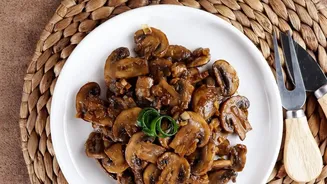
In India, the most commonly available varieties are white button mushrooms, oyster mushrooms, and paddy straw mushrooms. Shiitake and portobello mushrooms are also gaining popularity, especially in urban areas. While all these mushrooms contain ergosterol, the principle remains the same: their vitamin D content is dependent on UV exposure, not the specific type. Whether you are buying button mushrooms for a curry or shiitake for a stir-fry, giving them some time in the sun before cooking is a wise move for a nutritional boost.