


Why Texture Is Everything
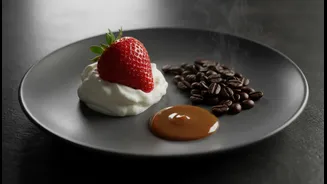
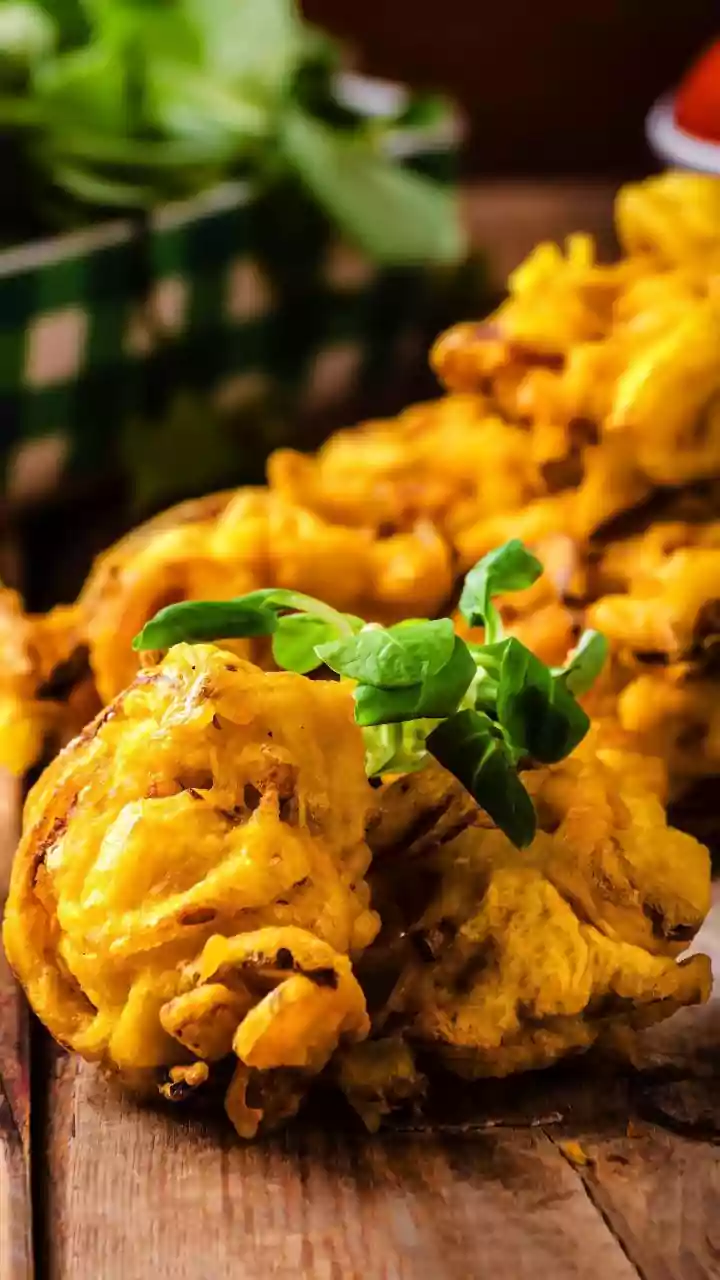
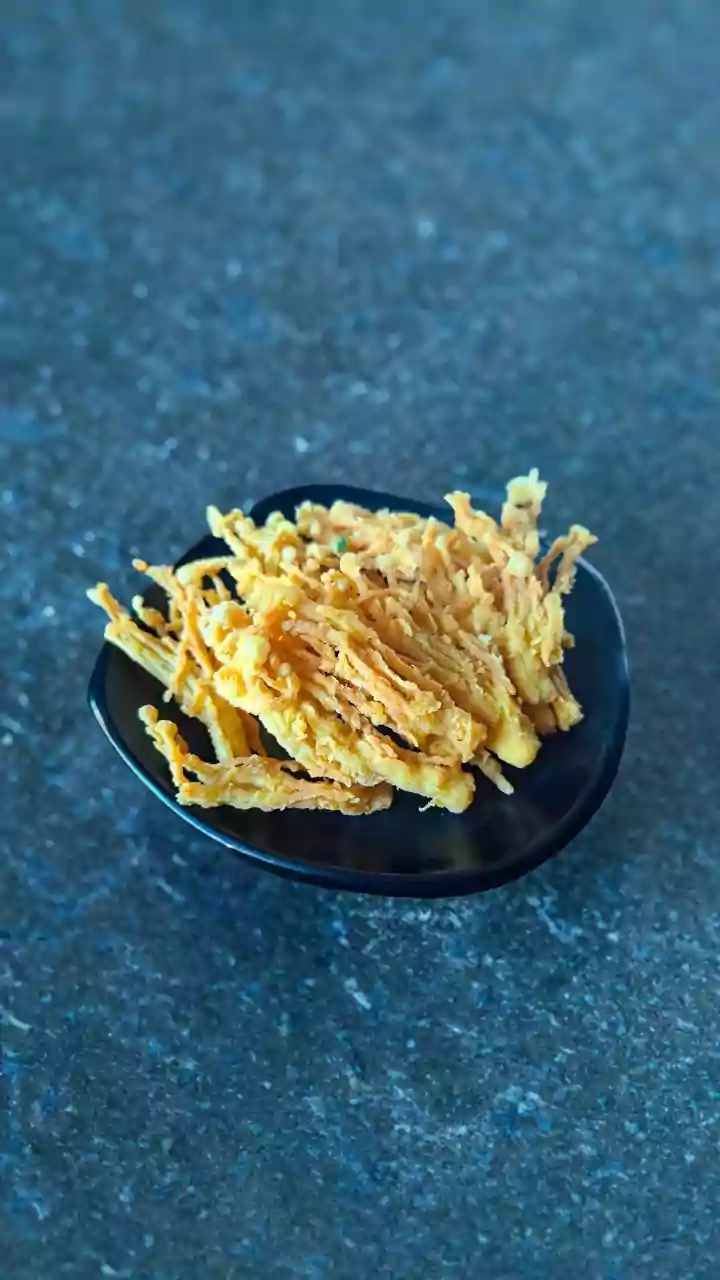
Think about the satisfying crunch of a fresh samosa or the contrast between a crispy dosa and its soft potato filling. Our brains are wired to enjoy textural variety. A dish with a single, uniform texture, like a mushy, overcooked vegetable curry, can
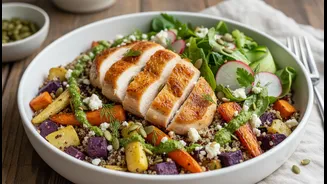
quickly become boring. By introducing different textures—crispy, creamy, crunchy, tender—you keep the palate engaged and make each bite more interesting. This sensory contrast not only improves how we perceive flavour but also elevates the entire eating experience from mundane to memorable. It’s a simple principle chefs use constantly, and it's easy to apply in your home kitchen.
The Magic of High Heat
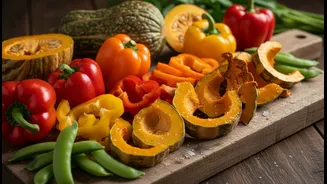
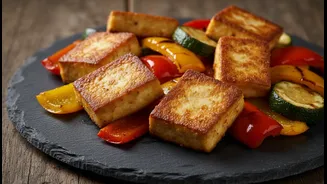
One of the easiest ways to build incredible texture and flavour is by roasting or grilling your vegetables. When vegetables like gobi (cauliflower), sweet potatoes, bell peppers, and onions are cooked at a high temperature (around 200-220°C), their natural sugars caramelize, creating deeply browned, sweet, and crispy edges while the inside becomes tender. The key is to not overcrowd the pan. Give the vegetables space in a single layer so they roast, rather than steam. Toss them with a little oil and your favourite spices, and you’ll unlock a new dimension of flavour you can't get from boiling or simple steaming.
The Quick Crunch
For vegetables you want to keep vibrant and crisp, like French beans, carrots, peas, and broccoli, a quick blanch and shock is the perfect technique. This involves briefly boiling the vegetables for a minute or two until their colour brightens, then immediately plunging them into ice water to stop the cooking process. This method locks in their colour and ensures a satisfying, tender-crisp texture. You can then toss them in a simple tadka, add them to a stir-fry, or use them in a fresh salad. A quick sauté in a hot pan also works wonders, cooking the vegetable through while preserving a pleasant bite.
Add-Ins for Instant Contrast
Never underestimate the power of a good topping. Adding a final garnish can introduce a completely different texture that contrasts beautifully with the cooked vegetable. Toasted nuts like almonds or peanuts, seeds like sesame or pumpkin, and crunchy breadcrumbs (pangrattato) are excellent for adding a savoury crunch to softer vegetables. Even a spoonful of fried onions or a sprinkle of sev can provide that delightful textural surprise. These simple additions take seconds but can make a simple dish of steamed or sautéed greens feel like a gourmet preparation.
The Beauty of Raw
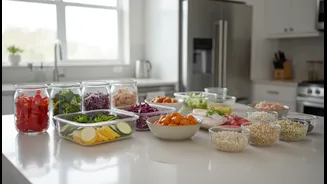
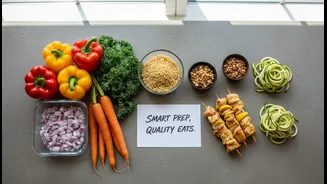
Don't forget that many vegetables are fantastic in their raw state, offering a freshness and crunch that cooking can diminish. A simple kachumber salad with finely chopped cucumber, tomato, and onion is a classic for a reason. Try thinly slicing or spiralizing vegetables like carrots, zucchini, and cabbage to create refreshing slaws and salads. Dressed with a simple vinaigrette of lemon juice, salt, and a touch of oil, these raw preparations are light, healthy, and provide the ultimate crunchy experience, allowing the pure flavour of the seasonal produce to shine.