




Your Phone as a Pocket Planetarium
The magic behind skywatching apps feels futuristic, but it's grounded in the technology you use every day. These apps combine your phone's GPS, internal compass, and clock to create a precise, real-time map of the sky exactly as it appears above you.
When you point your phone towards the horizon, the app uses augmented reality (AR) to overlay information directly onto your camera's view. Suddenly, anonymous stars are named, constellations are drawn, and planets are labelled. It's like having an expert astronomer in your pocket, ready to guide you through the cosmos without needing complex charts or prior knowledge. The minimalist interfaces of many apps make them incredibly easy for beginners to use, allowing you to identify stars, planets, and even satellites in just seconds.
Top Apps for Stargazing Starters
For those new to the hobby, a few apps stand out for their simplicity and powerful features. SkyView Lite is a popular choice because its AR interface makes identifying objects intuitive and fun. Just point your device, and the app will tell you what you're looking at, providing detailed information with a tap. Star Walk 2 is another excellent option for beginners, praised for its great design and helpful features even in the free version, such as a satellite tracker. For those who appreciate a clean interface and a massive database of celestial objects, Stellarium Mobile is a fantastic tool. Originally a well-known desktop program, its mobile version offers an accurate simulation of the night sky for any date, time, and location, and includes a "night mode" that uses a red filter to preserve your night vision.
Finding the Gas Giants: Jupiter and Saturn
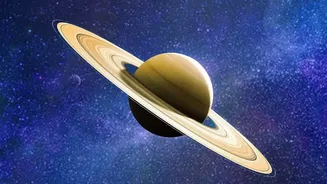
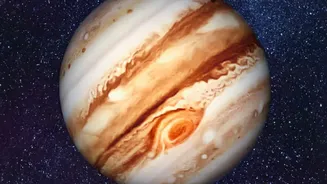
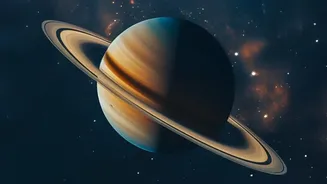
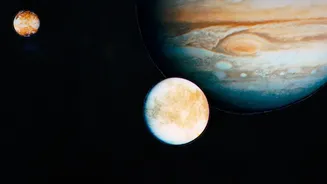
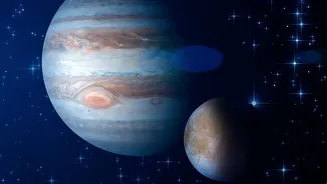
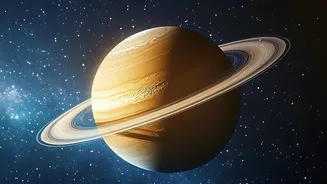
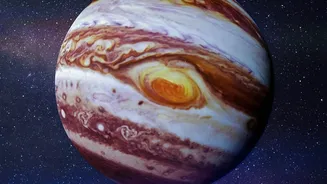
Jupiter and Saturn are two of the most rewarding targets for a budding skywatcher. In late August 2026, both planets are visible in the pre-dawn sky, offering a great opportunity for observation. Saturn, visible to the naked eye, will be high in the south-southwest sky before sunrise. Jupiter will be much lower on the eastern horizon, so a clear view without buildings or trees is essential to spot it. Using an app like Star Walk 2 or Stellarium makes finding them simple. Open the app and use its search function to select Jupiter or Saturn. An arrow will then appear on your screen, guiding you to point your phone in the correct direction. As you align your phone with the on-screen map, you'll see the planet appear on your display, pinpointing its exact location in the real sky above you.
Catching a Glimpse of the ISS
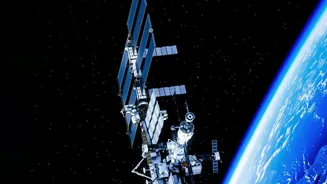
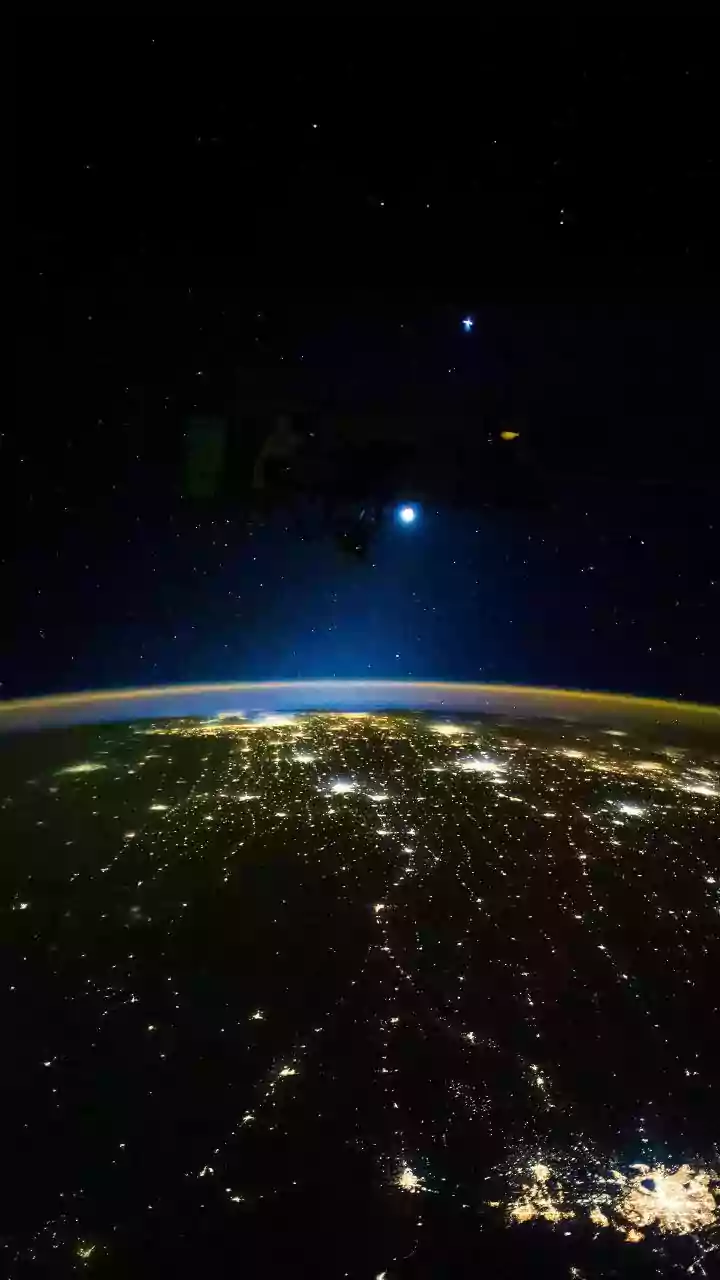
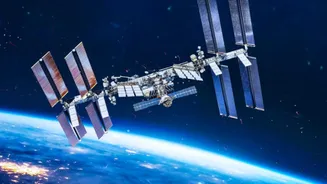
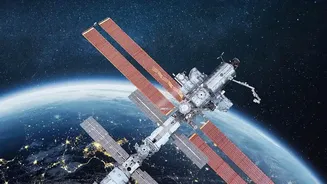
Spotting the International Space Station (ISS) is a unique thrill. It moves quickly across the sky, appearing as a very bright, steady star. Unlike planets, its viewing opportunities are brief and highly location-specific. This is where apps become indispensable. NASA has an official app called Spot The Station, which provides alerts for upcoming passes over your exact location. Other apps like ISS Detector and Satellite Tracker by Star Walk also offer pass predictions, real-time tracking, and notifications. When you receive an alert, you simply go outside at the specified time, open the app, and its AR compass will show you exactly where to look to see the orbiting laboratory soar overhead. It's a powerful way to connect with the human presence in space, right from your own backyard.