


More Than Just a Meal
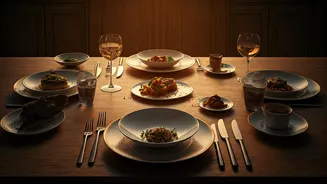
Have you noticed how food in TV shows, on social media, and in restaurants seems to be telling a deeper story lately? This is the essence of the 'memory menu,' a trend where food is curated to evoke nostalgia, comfort, and a connection to the past. In
its most literal form, chefs are designing entire tasting menus around pivotal moments from their lives, with dishes named after childhood memories instead of ingredients. But the trend extends far beyond fine dining. It’s in the revival of vintage snack brands, the social media craze for recreating a grandmother’s secret recipe, and the way a simple, perfectly made sandwich becomes a central plot point in a hit television series. This isn't just about eating; it's about feeling. It's food as a story, a time machine, and an emotional anchor in a world that often moves too fast.
The Science of Taste and Time
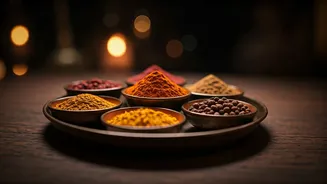
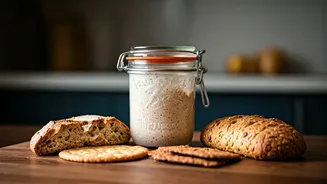
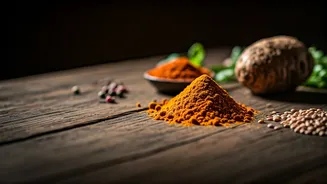
There’s a concrete scientific reason why this trend is so powerful. The phenomenon, often called the “Proust Effect,” is rooted in brain science. Our senses of smell and taste are uniquely wired to the limbic system, the part of the brain that governs memory and emotion. This is why a specific aroma, like that of freshly baked bread or a particular spice blend, can bypass conscious thought and trigger a vivid, emotionally charged memory from decades ago. Unlike seeing or hearing something, a flavour can feel like being instantly transported back to your grandmother’s kitchen or a favourite childhood holiday. This deep, biological connection makes food one of the most potent vehicles for nostalgia, capable of improving our mood and making us feel more connected.
A Craving for Comfort
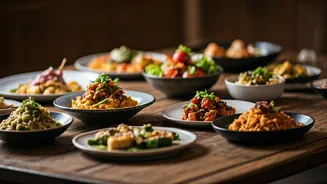
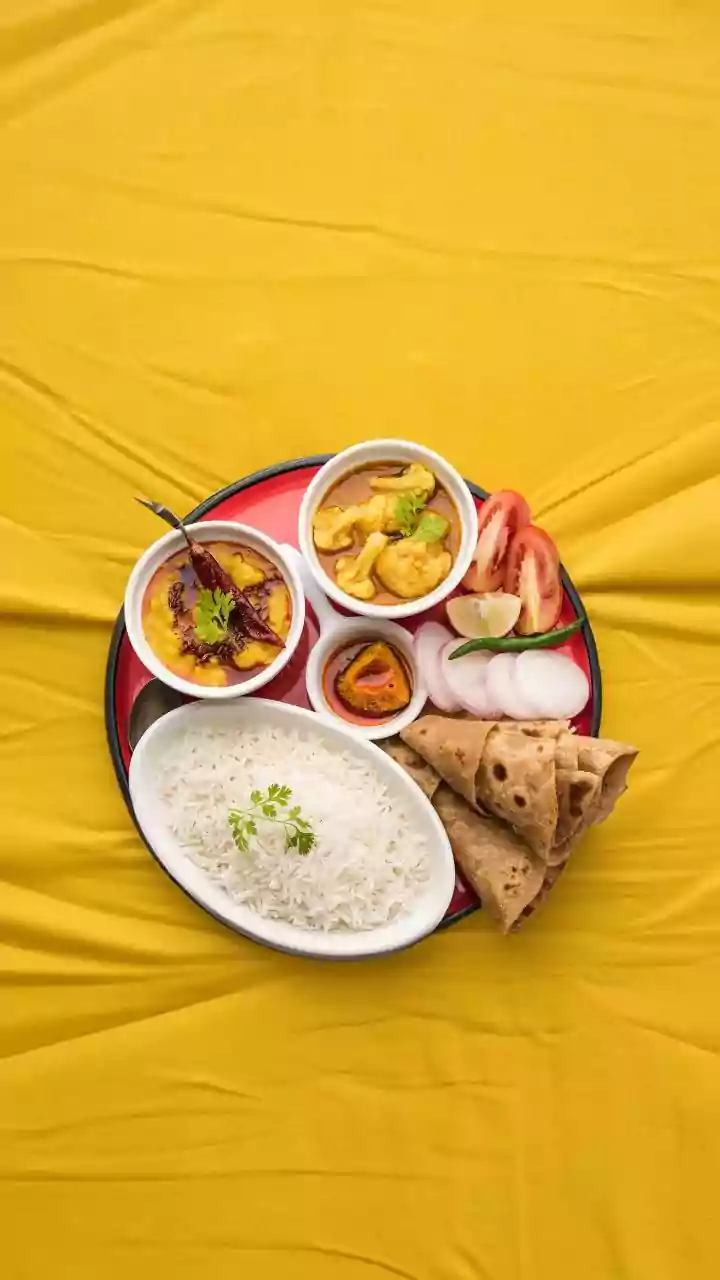
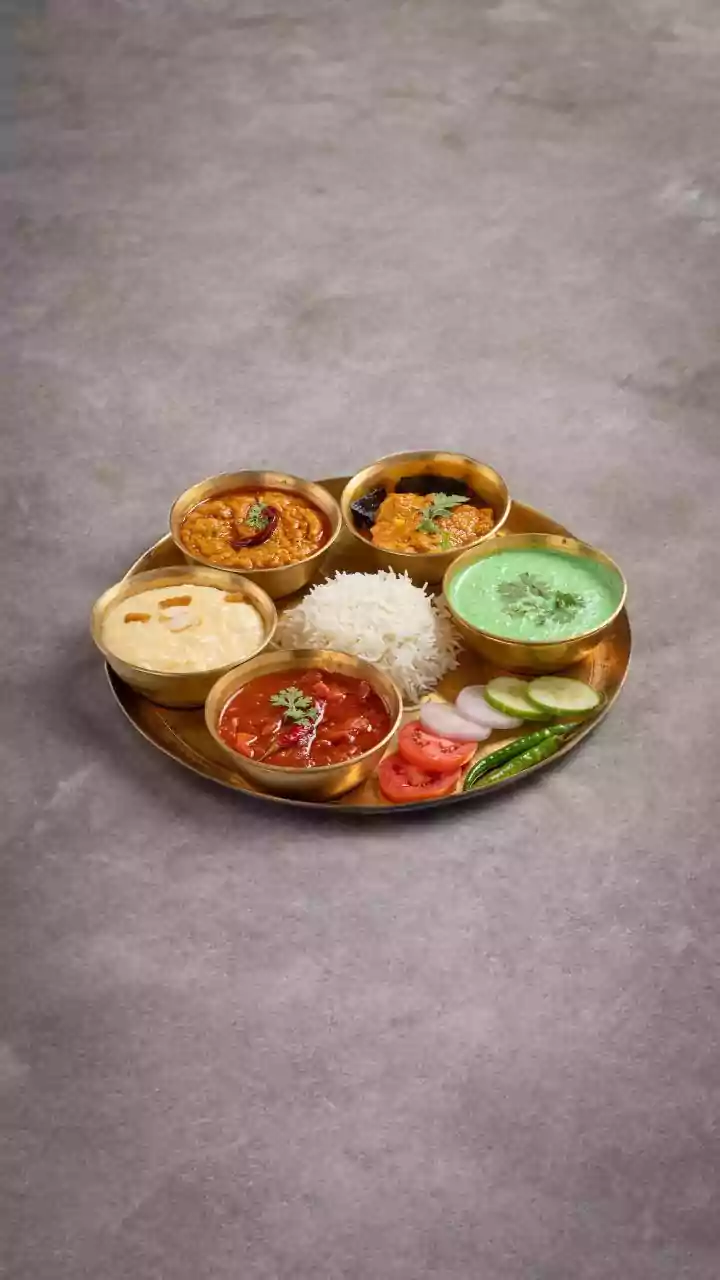
So why is this happening now? In times of uncertainty and stress, we instinctively reach for comfort, and few things are as comforting as the food we grew up with. Nostalgic foods offer a low-stakes way to feel a sense of control and security. A familiar flavour provides a predictable and reassuring experience, an emotional anchor when other parts of life feel unstable. In India, this trend is manifesting as a powerful return to roots. After years of embracing global fast food, a new generation is rediscovering the value of traditional meals. Dishes once seen as simple or old-fashioned, like khichdi, millet-based rotis, and home-style dal, are being celebrated for their authenticity and nutritional wisdom. Restaurants are gaining popularity by serving dishes that taste 'just like home,' tapping into a collective longing for simplicity and genuineness.
Reimagining, Not Just Reheating
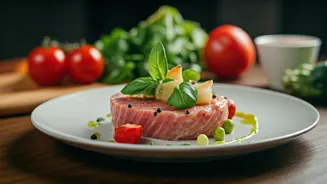
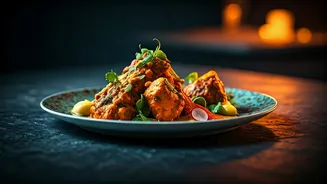
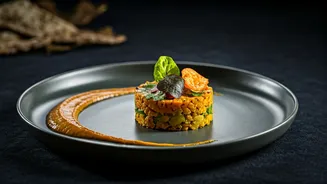
But the modern nostalgia trend isn't simply about copying the past. It’s about creatively reinterpreting it. The most exciting 'memory menus' blend the familiar with the new. A chef might take a classic Indian street food and present it with gourmet techniques, or a food brand might relaunch a beloved childhood sweet with a modern flavour twist. This fusion of old and new is what makes the trend so dynamic. It respects the emotional power of the original memory while adapting it for a contemporary palate. It’s the culinary equivalent of a remix, where a classic tune is updated for a new audience. This approach allows us to honour our heritage while still creating something fresh and exciting, proving that looking back doesn't have to mean standing still.