


1. Ignoring Weather and Road Alerts
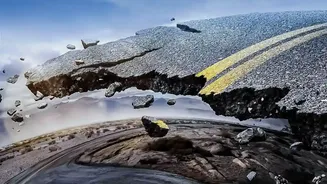
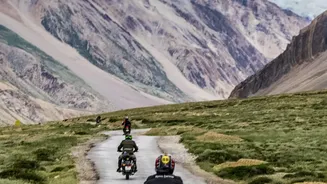
One of the biggest mistakes is treating a monsoon trip like any other. Heavy rainfall can trigger landslides and flash floods, leading to road closures that can leave you stranded. Before you leave and throughout your trip, make it a habit to check weather
forecasts from reliable sources like the India Meteorological Department (IMD). Pay close attention to red or orange alerts, which signal severe weather conditions. Also, monitor local news and traffic police updates for real-time information on road blockages, especially on vulnerable highways in states like Himachal Pradesh and Uttarakhand. Having this information allows you to be flexible and change your plans if a particular route becomes unsafe.
2. Packing the Wrong Clothes and Footwear
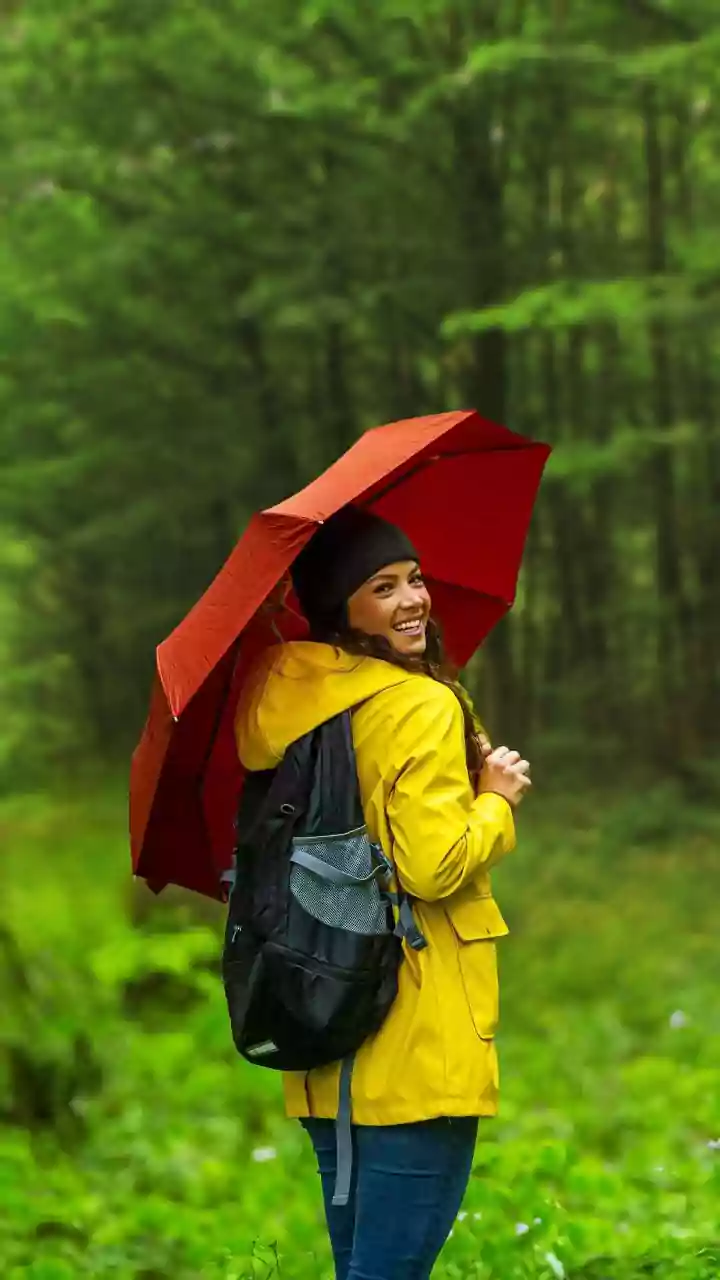
Showing up in the mountains with just a flimsy umbrella and a pair of fashion sneakers is a recipe for discomfort. Cotton and denim are poor choices for the monsoon as they absorb water and take a long time to dry, leaving you damp and cold. Instead, pack lightweight, quick-drying clothes made from synthetic fabrics. The key is layering: a base layer, a warm fleece mid-layer, and a waterproof, windproof outer jacket. For footwear, forget your regular shoes. You need waterproof sandals with a good grip for casual walking and a pair of sturdy, waterproof trekking shoes for any outdoor activity. Wet shoes can lead to fungal infections, so always allow them to dry completely before wearing them again.
3. Driving Recklessly or After Dark
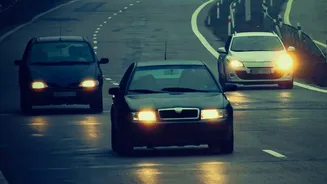
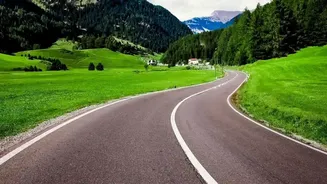
Mountain roads demand extra caution during the monsoon. They become slippery, visibility drops significantly during downpours, and the risk of landslides increases. Driving at your usual highway speed is dangerous; reduce your speed and maintain a greater distance from the vehicle in front of you, as braking distances increase on wet surfaces. Driving at night is particularly hazardous as it's harder to spot potholes, debris, or blockages on the road. If you are not an experienced mountain driver, it's far safer to hire a local driver who understands the terrain and its monsoon challenges. Always start your journeys early to ensure you reach your destination before dark.
4. Neglecting Basic Health and Hygiene
The monsoon is a prime time for waterborne and mosquito-borne diseases. A common error is consuming street food or drinking tap water without precautions. The high humidity can cause rapid bacterial growth on food. Stick to freshly cooked meals at reputable places and drink only boiled or bottled water. Carry a basic first-aid kit with essentials like antiseptic, bandages, pain relievers, and medication for stomach issues. Mosquito repellent is non-negotiable, as dengue and malaria cases rise during this season. Frequent hand washing or using a sanitiser is also crucial to prevent infections.
5. Having a Rigid, Over-Packed Itinerary
Monsoon travel requires flexibility. Landslides can block a road for hours, and heavy rain can make a planned trek unsafe. Trying to stick to a packed, minute-by-minute schedule is unrealistic and stressful. The smarter approach is to have a flexible plan and include buffer days in your itinerary. This allows you to wait out a downpour or take a detour without feeling rushed. Prioritise one or two main attractions per day rather than trying to chase every viewpoint. It's also wise to have a backup plan with indoor activities, like visiting a local museum or cafe, in case the weather keeps you from exploring outside.
6. Forgetting to Pack for Power and Network Issues
In the hills, especially during the monsoon, power cuts and poor mobile network connectivity are common. Relying solely on your phone's map or UPI for payments can be a mistake. Always carry a fully charged power bank to keep your devices running. Download offline maps of the region before your trip. While digital payments are convenient, many smaller establishments in remote areas may not have reliable connectivity, so carrying a sufficient amount of cash is essential for food, transport, and emergencies.
7. Booking Remote or Poorly Located Stays
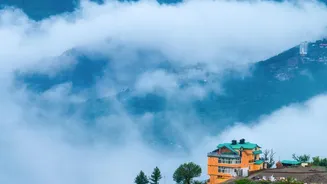
That cheap hotel with a great view might be located far from the main town or on a steep, unstable slope, making it a poor choice during the monsoon. Access roads to remote properties can get cut off, and the risk of landslides is higher in certain areas. When booking, check the hotel's location and accessibility. Opt for stays in the main town or areas with good road connectivity. Also, be wary of booking everything as non-refundable. The weather can force you to cancel or change plans, and a flexible booking policy can save you from losing money.