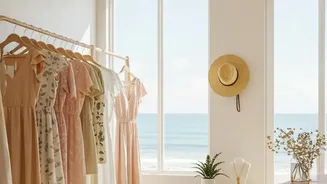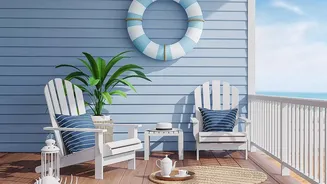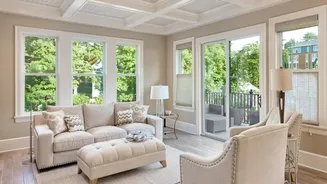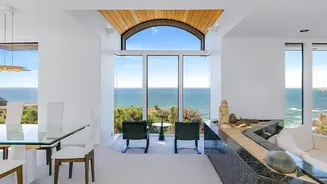





Dreaming of that calm, breezy feeling of a seaside retreat? You don't need an ocean view to capture it. Creating a coastal-inspired space is less about a total overhaul and more about embracing the right textures, colours, and light.
Start with the Colour Palette
The foundation of
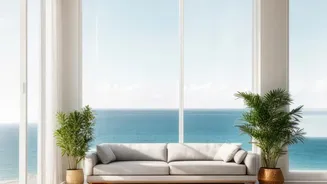
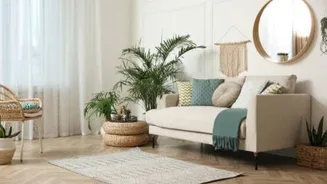
a coastal look is its colour scheme, drawn directly from the shoreline. Think of a sandy beach on an overcast morning: the primary colours are soft whites, creamy beiges, and muted greys. These create a light, airy backdrop that makes any space feel more open. You don’t need to repaint; instead, introduce these colours through accessories. Swap out dark, heavy cushion covers for ones in shades of off-white, sand, or a very pale, watery blue. Even a simple, cream-coloured throw blanket draped over your sofa can instantly lighten the mood and set a relaxed, beachy tone.
Layer in Natural Textures
Texture is just as important as colour in coastal design, which favours natural, slightly rustic materials. This is one of the easiest ways to transform a room's feel without buying new furniture. Introduce materials like jute, rattan, seagrass, and weathered wood. A jute or sisal area rug can ground the room and add warmth. Woven baskets are perfect for stylish storage, helping to hide clutter while contributing to the aesthetic. Look for small decor items like a rattan tray for your coffee table, a lamp with a woven shade, or picture frames made of light, weathered wood to bring in that organic, shoreline feel.
Let There Be Light
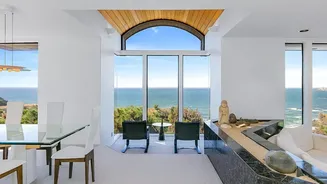
Coastal interiors are defined by their bright, light-filled atmosphere. If you have heavy, dark curtains, swapping them for something lighter is a game-changing move. Opt for sheer or semi-sheer linen or cotton curtains in white or a natural beige. These allow daylight to filter through, creating a soft, diffused glow that instantly makes a room feel breezier. If new curtains aren't an option, ensure your existing ones are pulled back as far as possible. You can also strategically place mirrors to bounce light around the room, making it feel larger and brighter. A mirror with a simple, light wood or rope-wrapped frame enhances the coastal theme.
Incorporate Subtle Blues and Greens
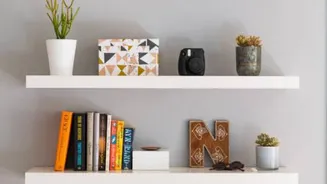
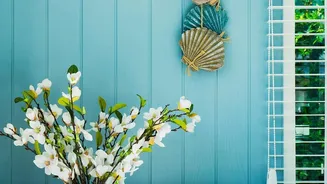
While a neutral base is key, a coastal room needs a hint of the ocean's colour. The trick is to be subtle. Use shades of blue and green as accents, not dominant colours. Think of the soft tones of sea glass or the deeper navy of the ocean at dusk. This could be as simple as adding a few throw pillows in a muted seafoam green or a classic navy and white stripe. A stack of books with blue spines on a shelf, a set of blue glass vases, or a single piece of abstract art with watery hues can provide that perfect pop of colour without overwhelming the calm, neutral space.
Choose Art and Decor Wisely
When it comes to decor, the golden rule of modern coastal design is to avoid kitsch. Steer clear of rooms filled with anchor motifs, ship wheels, and an overabundance of seashells. Instead, aim for suggestion and subtlety. A single, large piece of art depicting a serene beachscape or abstract waves has more impact than a dozen small, themed items. Natural finds like a piece of interesting driftwood on a bookshelf or a few beautiful shells in a simple glass bowl can add an authentic touch. Introducing greenery, like a tall palm or fern plant, also brings a touch of tropical, seaside life indoors.
Switch to Breezy Fabrics
The fabrics in a room have a major impact on its overall feel. Coastal style is all about materials that feel relaxed and breathable. Linen is the quintessential coastal fabric, so look for opportunities to incorporate it. Beyond curtains, consider a linen tablecloth or runner for your dining table or a simple linen cushion on an armchair. Cotton is another excellent choice, especially in simple patterns like a soft ticking stripe. Replacing heavy or shiny fabrics with these natural, matte textiles will make your entire room feel more casual and inviting, perfectly capturing that effortless, kick-your-shoes-off beach house vibe.