


The Invisible Threat in Our Water
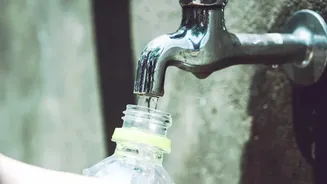
Microplastics, tiny plastic particles smaller than five millimeters, are everywhere. They shed from synthetic clothing, wear off from tyres, and break down from larger plastic waste, eventually finding their way into our rivers, lakes, and even drinking
water. Their small size makes them incredibly difficult to remove with conventional water treatment methods. This poses a significant challenge, as these particles can absorb and transport other harmful pollutants, with potential risks to ecosystems and human health that scientists are still working to fully understand.
A Solution from the Paddy Fields
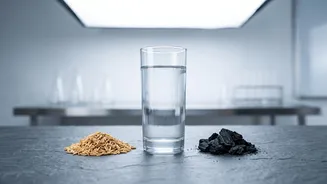
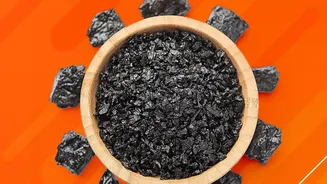
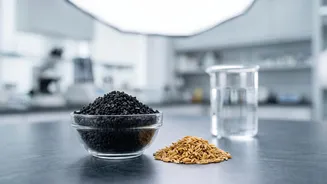
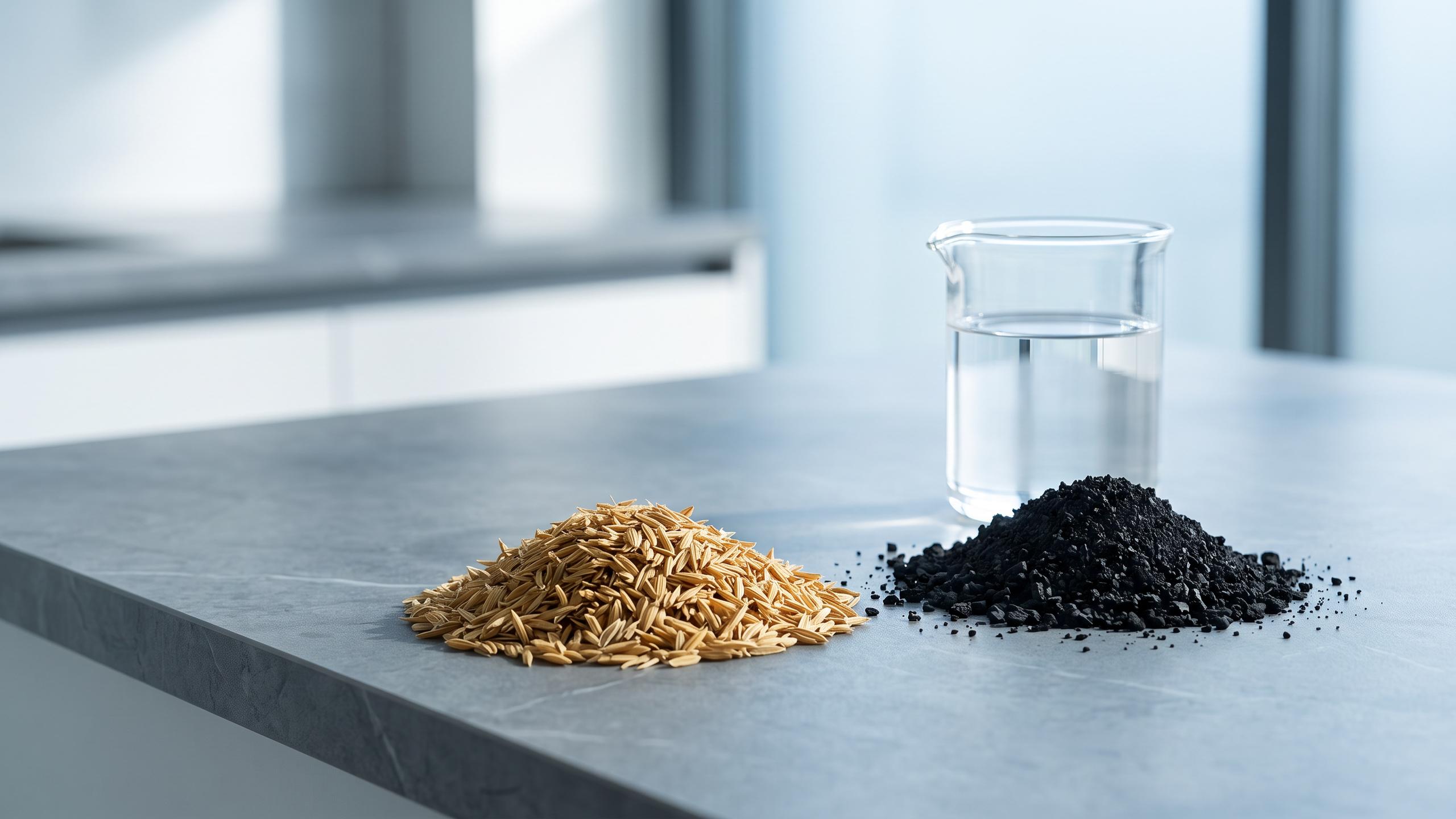
Imagine turning a common agricultural waste product into a powerful tool against pollution. That is the core idea behind using bio-char made from rice husks. Bio-char is a black, carbon-rich material, similar to charcoal, created by heating biomass like agricultural waste in a low-oxygen environment through a process called pyrolysis. Researchers have discovered that this simple material is exceptionally good at capturing microplastics, offering a promising pathway to cleaner water. It represents a perfect example of a circular economy: taking a problematic waste stream and turning it into a solution for another pressing environmental issue.
How Bio-Char Works Its Magic
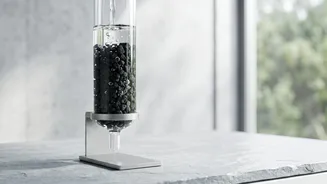
The secret to bio-char's effectiveness lies in its unique structure. The pyrolysis process creates a highly porous material with an enormous internal surface area. Think of it as a sponge with countless microscopic nooks and crannies. When water containing microplastics flows through a bio-char filter, these tiny plastic particles get caught. The removal happens through several mechanisms working together: they can become physically trapped in the pores, or they can stick to the surface through hydrophobic and electrostatic interactions. Studies have shown this method can be highly effective, with some lab tests demonstrating removal rates of over 95% for certain microplastics.
Why Rice Husks are a Game-Changer
While bio-char can be made from various organic materials, using rice husks is particularly strategic for India. As one of the world's largest rice producers, India generates millions of tonnes of rice husks every year. Often, this agricultural residue is either burned, contributing to air pollution, or simply discarded. By converting these husks into bio-char, we can give a massive waste stream a high-value purpose. This approach not only provides a locally sourced and abundant material for water filtration but also helps mitigate the environmental problems associated with agricultural waste disposal.
The Power of Low-Cost Innovation
For any water purification technology to be widely adopted, especially in rural and developing areas, it must be affordable. This is where rice husk bio-char truly shines. The feedstock—rice husks—is an inexpensive, readily available byproduct. The production process of pyrolysis can be scaled to different levels, from large industrial plants to smaller, community-level operations. This makes it a sustainable and economically viable option compared to more complex and expensive filtration technologies like nanofiltration or reverse osmosis. Its potential for use in low-tech, low-cost filter systems makes it a practical solution for on-the-ground impact.
From Lab to Real-World Application
Currently, much of the research on bio-char for microplastic removal is in the experimental and pilot stage. Scientists are optimising factors like pyrolysis temperature and activation methods to enhance the bio-char's filtration efficiency. Some studies have shown that rice husk biochar created at 500-600°C is particularly effective. The next crucial step is scaling this technology for use in real-world settings, such as augmenting existing sand filters in wastewater treatment plants or developing standalone filter units for communities. While there are challenges to address, like the filter's lifespan and replacement, the path forward is promising.