






The Science of Powering Up with Heat
At the heart of this technology is a principle known as the Seebeck effect, which states that a temperature difference between two different electrical conductors can generate a voltage. Thermoelectric generators, or TEGs, are devices built to exploit
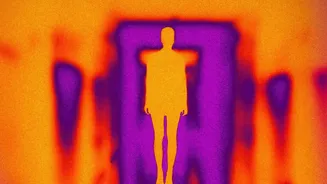
this phenomenon. In the context of wearable technology, the concept is simple: your body is warm, and the air around you is typically cooler. These smart textiles are designed to capture this temperature gradient and convert that thermal energy into electrical energy. This provides a stable and continuous power source, unlike solar which depends on light or kinetic systems that require motion. The goal is to create a personal power grid woven directly into the clothes on your back, eliminating the constant need for chargers and disposable batteries.
From Rigid Materials to Flexible Threads
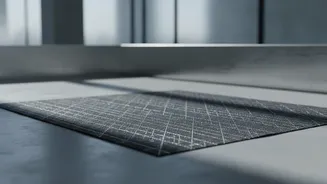
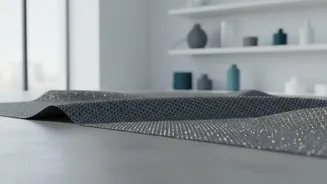
Traditionally, thermoelectric materials were rigid and brittle, making them completely unsuitable for clothing. The real innovation lies in making these materials flexible, stretchable, and comfortable enough to wear. Scientists are achieving this in several ways. One promising method involves coating ordinary, soft threads like silk with special conductive polymers. These coated threads can be woven or sewn into a fabric just like normal yarn, but they have the ability to generate power. Another approach involves creating inorganic thermoelectric materials, known for their higher efficiency, in the form of flexible fibers that can be bent and stretched over a thousand times without losing their electrical properties. Researchers have also successfully printed thermoelectric components directly onto stretchable textiles, paving the way for easier integration with garments.
A New Era for Fitness and Health Monitoring
The most immediate application for this technology is in the world of wearable fitness and health sensors. Devices that continuously monitor heart rate, body temperature, respiration, and other vital signs require a constant, low-level power source to be effective. Battery life remains one of the biggest limitations of modern wearables. By integrating thermoelectric textiles, a fitness tracker or a medical sensor could be powered indefinitely, just by being worn. This opens the door to truly seamless, 'always-on' health companions that gather long-term data without interruption. For athletes, patients with chronic conditions, or anyone interested in their personal wellness, this means more reliable and convenient tracking without the hassle of daily charging.
The Hurdles from Lab to Laundry
While the promise is immense, the technology is still in its early stages and faces significant challenges. The amount of energy generated is currently quite small, suitable only for low-power sensors. For now, charging a smartphone with your shirt is not a realistic goal. The primary hurdles that researchers are working to overcome are improving energy conversion efficiency, ensuring the textiles are durable enough for daily wear, and making them washable. Recent breakthroughs are encouraging. Some prototype fabrics have been shown to maintain most of their conductivity after several laundry cycles, and flexible fibers have proven highly resilient to repeated stress. However, scaling this technology from laboratory prototypes to mass-market commercial products remains a major step.
The Road Ahead in India and Beyond
Globally, the push for smarter and more sustainable technology is driving this field forward. In India, there is a growing focus on technical and smart textiles, supported by government initiatives like the National Technical Textile Mission. With a rich heritage in textiles and a burgeoning tech industry, India is well-positioned to contribute to and adopt these innovations. The vision is to merge our deep knowledge of fabrics with cutting-edge electronics, creating a new generation of intelligent clothing. As the technology matures, we can expect to see hybrid systems that combine thermoelectric harvesting with other methods, like capturing energy from motion, to create even more robust and reliable power sources for our personal devices. The journey is still long, but the foundation is being laid for a future where our clothes do more than just keep us warm—they keep our devices running too.