






The New Digital Lifeline
For years, the promise of working from the mountains was just that—a promise, hampered by patchy mobile data and unreliable connections. Today, that picture has fundamentally changed. A concerted push through government initiatives like the BharatNet
project, coupled with the aggressive expansion of private players like Airtel and Jio, has woven a web of high-speed fiber across the state's challenging terrain. This isn't just about faster streaming; it's about robust, reliable connectivity that can support video conferencing, large file transfers, and the always-on demands of the modern professional. Villages that were once digital dead zones now boast speeds that rival those in metropolitan hubs, making the dream of a mountain office a tangible reality.
The Rise of the Mountain Nomad
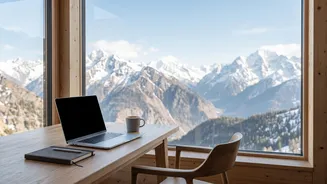
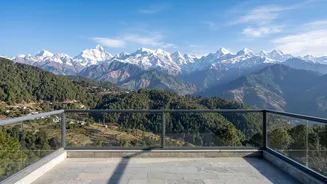
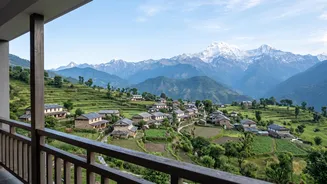
This new digital infrastructure has unlocked the doors for a new kind of resident: the digital nomad. Tech professionals, writers, designers, and entrepreneurs are swapping cramped city apartments for spacious homestays with panoramic valley views. Destinations like Rishikesh, Mukteshwar, Almora, and Nainital are becoming popular choices, offering a blend of peaceful work environments and established communities. The appeal is multi-faceted: escaping urban pollution, finding a healthier work-life balance, and lowering the cost of living are all major draws. For many, the ability to finish a client presentation and then immediately set off on a trek through pine forests is a powerful incentive that no city office can match.
A Windfall for Local Economies
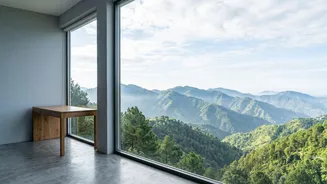
The influx of remote workers is creating a vibrant new micro-economy in these hill towns. The primary beneficiaries are local homestay owners, who can now offer long-term 'workation' packages that provide a steady income stream outside of the traditional tourist seasons. These aren't just basic rooms; many hosts now explicitly advertise high-speed Wi-Fi, power backup, and dedicated workspaces to attract the nomad crowd. Beyond accommodation, new cafes, eateries, and local service providers are springing up to cater to this demographic. This trend represents a form of reverse migration, bringing skills, investment, and economic activity back into villages that have historically seen their populations drift towards the plains in search of opportunity.
Navigating the Challenges of Growth
However, this rapid transformation is not without its challenges. The surge in population, even if temporary, puts a strain on fragile local resources like water and waste management systems. There are growing concerns about the environmental impact of unchecked development and the potential for a rising cost of living to displace local residents. The cultural gap between city-based professionals and the local village communities also needs careful navigation. For this boom to be sustainable, it requires thoughtful policies that balance economic growth with environmental protection and ensure that the benefits are shared equitably. The goal is not just to create nomad hubs, but to foster integrated communities where new and old residents can coexist and thrive.