


The Papad Reimagined
For generations, the papad has been a beloved fixture on the Indian dining table—a crispy, crunchy accompaniment, a satisfying snack, or the base for a classic masala papad. But for a new generation of food enthusiasts, its role is expanding dramatically.
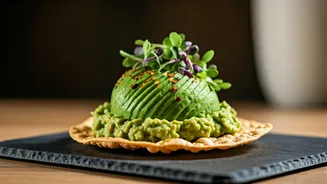
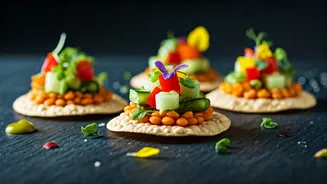
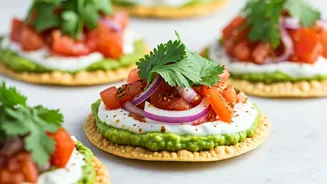
Scroll through Instagram or TikTok, and you’ll see papads being treated not as a side dish, but as the main event. They are being roasted, air-fried, or microwaved to crispy perfection and then loaded with an imaginative array of toppings that go far beyond the traditional chopped onion, tomato, and sev. Think creamy avocado, spicy paneer bhurji, zesty corn salsa, or even a schmear of hummus. The papad is no longer just an accompaniment; it’s the foundation.
More Than Just Masala Papad
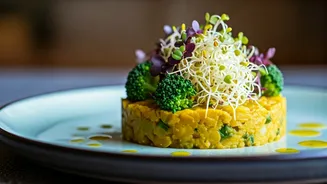
It’s important to distinguish this trend from the evergreen masala papad. While masala papad is a specific, beloved recipe with a defined set of ingredients (typically kachumber salad and spices), the 'papad toast' phenomenon is about a mindset. It’s a formula, not a fixed recipe. The core idea is to use the papad as a versatile, savoury, and gluten-free (in many cases) alternative to bread or crackers. This approach opens up a world of possibilities. Leftover sabzi from last night? Spoon it onto a papad. Whipped up some quick egg scramble? It finds a perfect home on a crispy disc. This freedom to experiment is what makes it so appealing to a generation that values personalisation and fusion in their food choices.
The Appeal of the Crispy Canvas
So, why the papad? Its resurgence as a trendy base isn't accidental. First, there’s the texture. The irresistible snap and crunch of a papad provide a brilliant contrast to softer toppings like mashed avocado or creamy dips. Second is the convenience. A papad can be ready in under a minute, whether roasted over an open flame or popped into a microwave. In an era of quick-fix meals and speedy snacks, this is a massive advantage. Finally, there's the health-ish angle. Many papads, especially those made from lentils (dal), are protein-rich and can be a lighter, often gluten-free, alternative to carb-heavy bread. It fits perfectly into the modern pursuit of snacks that are both indulgent and mindful.
The Avocado Toast Connection
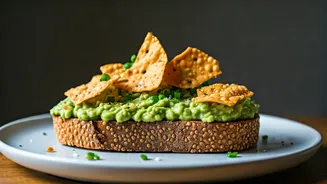
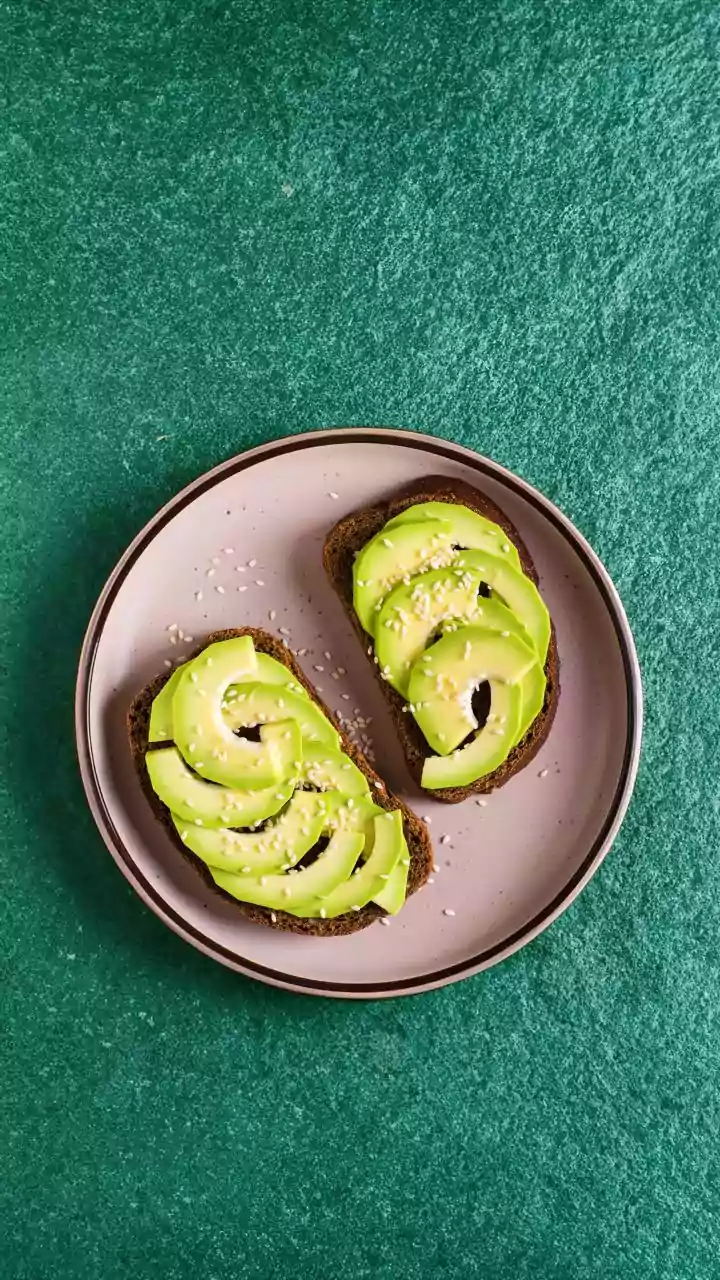
The comparison to avocado toast is more than just a catchy phrase; it's a perfect cultural parallel. Avocado toast took a simple, everyday item—a slice of bread—and transformed it into a global phenomenon. It became a symbol of modern café culture: customisable, visually appealing, and endlessly adaptable. You can have it plain, or top it with a poached egg, feta cheese, chilli flakes, or smoked salmon. The loaded papad follows the exact same logic, but with a deeply Indian soul. It takes a familiar, comforting staple and gives it a contemporary, globalised twist. It’s the same principle of 'elevating the everyday' applied to a different cultural context.
A Snack Made for Social Media
Let’s be honest: we eat with our eyes first, and this trend is incredibly photogenic. The vibrant colours of fresh toppings against the earthy, speckled background of a roasted papad make for a visually stunning dish. It’s a snack that looks as good as it tastes, making it perfect for sharing on social media. A quick search for #PapadChaat or #LoadedPapad reveals a gallery of creative, colourful, and drool-worthy creations. For Gen Z, who grew up documenting their lives online, the 'Instagrammability' of food is a significant driver of trends. A beautiful plate of loaded papads isn't just a snack; it's a statement of creativity and culinary flair.