





Understanding Your Biggest Expenses
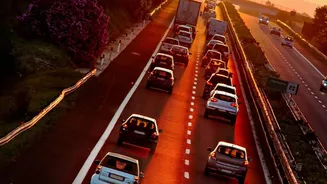
Embarking on a road trip across India's expanding highway network is more accessible than ever, but it comes with variable costs that can quickly add up. The two most significant and fluctuating expenses you will encounter are fuel and highway tolls.
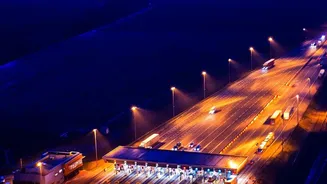
Fuel prices differ from state to state due to varying local taxes, meaning the cost to fill your tank in Maharashtra will be different from the cost in Goa. Similarly, highway tolls, now almost entirely collected via FASTag, depend on the specific expressways and national highways on your route. Planning for these two key costs is the foundation of a well-managed road trip budget, preventing surprise expenses and allowing you to focus on the journey itself.
Decoding FASTag and Toll Charges
India's move to a fully electronic toll collection system via FASTag has streamlined highway travel, but it requires some understanding. FASTag is a mandatory RFID sticker on your vehicle's windscreen linked to a prepaid wallet, which allows for automatic toll deductions. Cash payment is being phased out, and attempting to pay with cash in a FASTag lane can result in a penalty of double the toll amount. Toll rates are revised annually, with the latest update on April 1, 2026, seeing a general 4-5% increase. The cost varies based on the highway and the vehicle type. For frequent travellers, the NHAI offers a FASTag Annual Pass for non-commercial vehicles, priced at ₹3,075 for the 2026-27 financial year, which covers up to 200 toll crossings or is valid for one year. This can offer significant savings for those who frequently travel the same routes.
Your Digital Planning Toolkit
Gone are the days of guessing your trip costs. Several powerful and user-friendly digital tools can now provide precise estimates for your journey's fuel and toll expenses. Websites and apps like TollGuru are comprehensive resources that calculate total trip costs by integrating official NHAI data. You simply enter your start and end points, and your vehicle type, and the tool provides a detailed breakdown of toll plazas on your route, their specific charges, and total fuel consumption. The official NHAI RajmargYatra app also includes a route planner that shows toll plazas and costs. Many of these tools also allow you to input your car's mileage for a more accurate fuel cost prediction, helping you create a highly detailed and reliable budget before you even start the engine.
Smart Strategies to Save Fuel
While you can't control the price of petrol or diesel, you can influence how much of it your vehicle consumes. Adopting fuel-efficient driving habits can lead to substantial savings over a long journey. The most effective strategy is to maintain a steady speed, ideally between 80-90 km/h on highways, and avoid aggressive acceleration and hard braking. Every time you rapidly speed up or brake, you use more fuel. Using cruise control on open stretches of expressways helps maintain a constant speed effortlessly. Additionally, ensure your tyres are properly inflated before you start your trip; underinflated tyres increase rolling resistance and burn more fuel. Finally, reduce unnecessary weight in the car and remove roof racks when not in use to improve aerodynamics.
Managing Your Toll Spend
Besides the Annual Pass for frequent users, there are other ways to manage your toll expenditure. Always ensure your FASTag wallet has sufficient balance before you start. A blacklisted FASTag due to low balance can cause delays and complications. It's wise to maintain a buffer of at least ₹500 above your estimated trip cost. Many toll plazas offer a discount for a return journey made within 24 hours, which is automatically applied to your FASTag account. When using a toll calculator, check if it displays these return journey savings. For local residents living within 20 km of a toll plaza, a local monthly pass is available for a nominal fee, which is a great option for short, repeated trips near your home.