






The Global Oil Bathtub
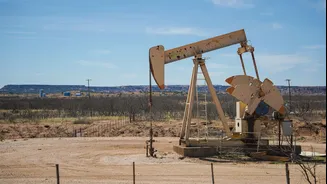
Think of the world's oil market as a giant bathtub. Producers are constantly pouring oil in, while consumers (refineries, power plants, vehicles) are draining it out. To manage the difference between this constant flow, the industry relies on a massive
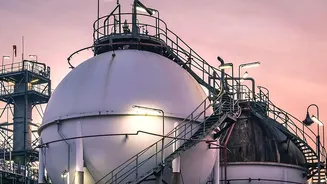
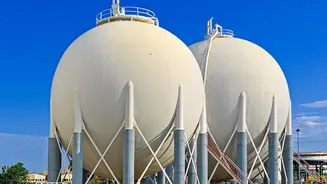
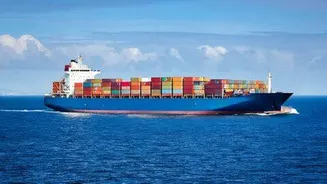
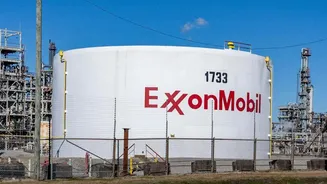
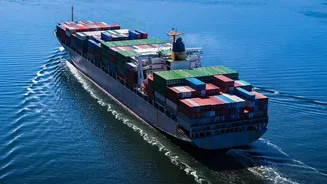
network of storage. This includes giant tank farms, underground salt caverns, and even the pipelines and massive oil tankers that crisscross the globe. These inventories act as a crucial buffer, absorbing excess supply when production outpaces demand and releasing it when consumption is higher. Without storage, the slightest mismatch between supply and demand would cause wild and immediate price swings. The amount of oil in this global 'bathtub' is a key indicator of market health; monitoring inventory levels is essential for understanding price dynamics.
What Happens When Storage Fills Up?
When supply overwhelms demand for a sustained period, storage tanks begin to fill up. This leads to a market condition known as 'contango', where the price for future oil delivery is higher than the current spot price. This encourages traders to buy oil now, store it, and sell it for a guaranteed profit later. However, this strategy only works as long as there is affordable storage space. In an extreme scenario, like the one seen in April 2020 during the early COVID-19 pandemic, storage can become completely full. Demand for fuel plummeted as countries went into lockdown, but oil wells kept pumping. The main US storage hub in Cushing, Oklahoma, reached near-full capacity. This created a panic where traders holding contracts for physical oil delivery had nowhere to put it. They became so desperate to get rid of the oil that they paid buyers to take it, pushing the price of West Texas Intermediate (WTI) crude to an unprecedented negative $37 per barrel.
The Other Side: When Storage Empties
The opposite situation is called 'backwardation'. This happens when the current spot price of oil is higher than prices for future delivery. A backwardated market signals that demand is strong right now, and inventories are likely low. Buyers are willing to pay a premium for immediate delivery rather than wait. This can be triggered by a sudden spike in demand, geopolitical tensions that threaten supply routes, or natural disasters that disrupt production. In this scenario, there is a strong incentive for producers to sell every barrel they can as quickly as possible, and for those with oil in storage to release it to the market to capture the high current prices. This market structure often points to a tight supply-demand balance and can be a precursor to rising fuel prices for consumers.
India’s Strategic Safety Net
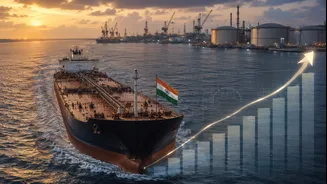
As a major importer of crude oil, India is particularly vulnerable to the volatility of global markets and storage issues. To safeguard its energy security, India maintains a Strategic Petroleum Reserve (SPR), managed by the Indian Strategic Petroleum Reserve Limited (ISPRL). These reserves are stored in vast underground rock caverns at locations like Visakhapatnam, Mangaluru, and Padur, chosen for their easy access to coastal refineries. The goal of the SPR is to act as a buffer against severe supply disruptions or extreme price shocks, ensuring that the country has an emergency stockpile. At full capacity, India's SPR can cover about 9.5 days of the country's crude requirements. When combined with commercial stocks held by refiners, India has a total buffer of around 74 days. The government can release oil from the SPR during crises to stabilise prices and ensure supply continuity, providing a crucial layer of economic and national security.