



What Exactly Are Making Charges?
Think of making charges as the jeweller’s fee for craftsmanship. It’s the cost of transforming a block or bar of raw gold into the beautiful ornament you wear. This charge covers the labour of skilled artisans (karigars), the design process, the use of specialised
tools, and the jeweller's overheads. Unlike the price of gold, which is a global commodity rate, making charges are set by individual jewellers and can vary significantly. They are typically calculated in two ways: as a percentage of the gold's value (ranging from 5% to over 25%) or as a flat rate per gram.
The Artisan's Touch: Handmade vs. Machine-Made
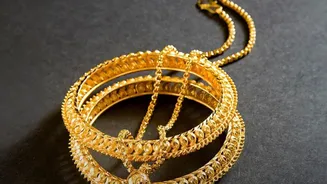
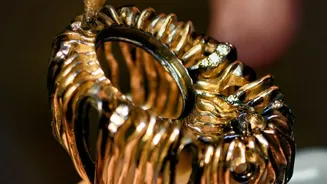
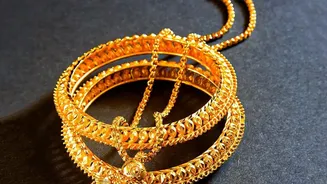
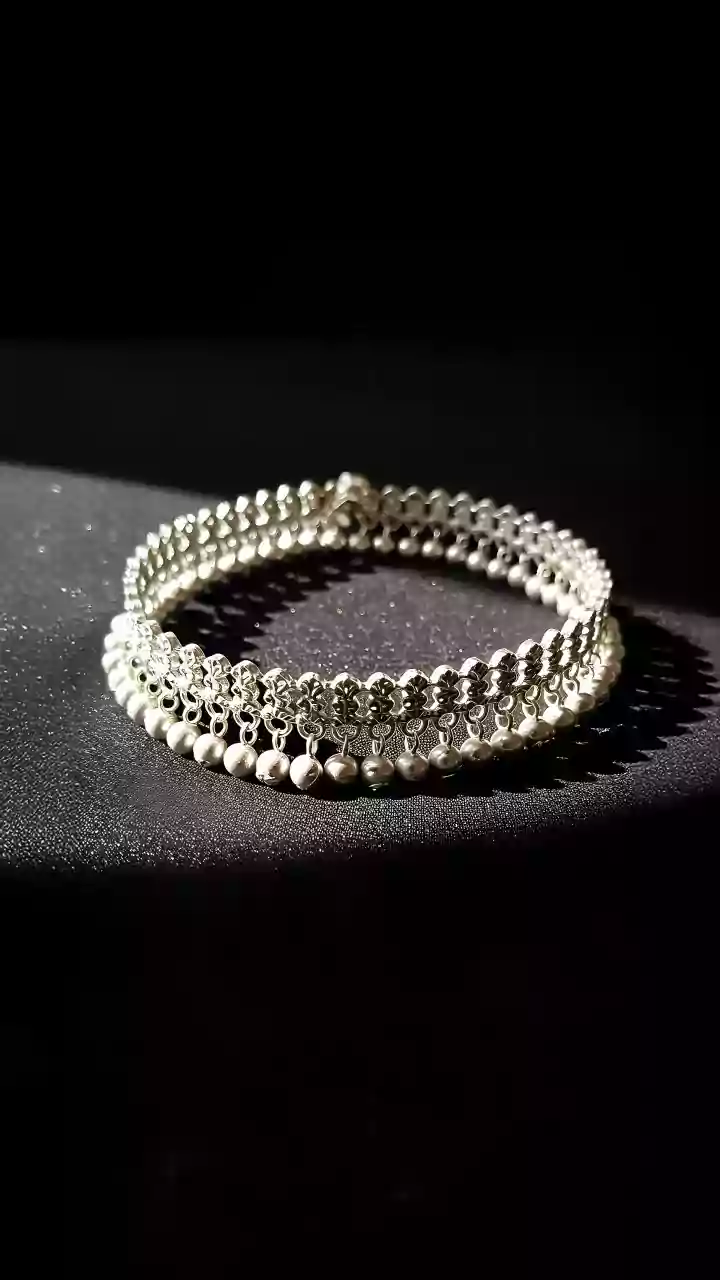
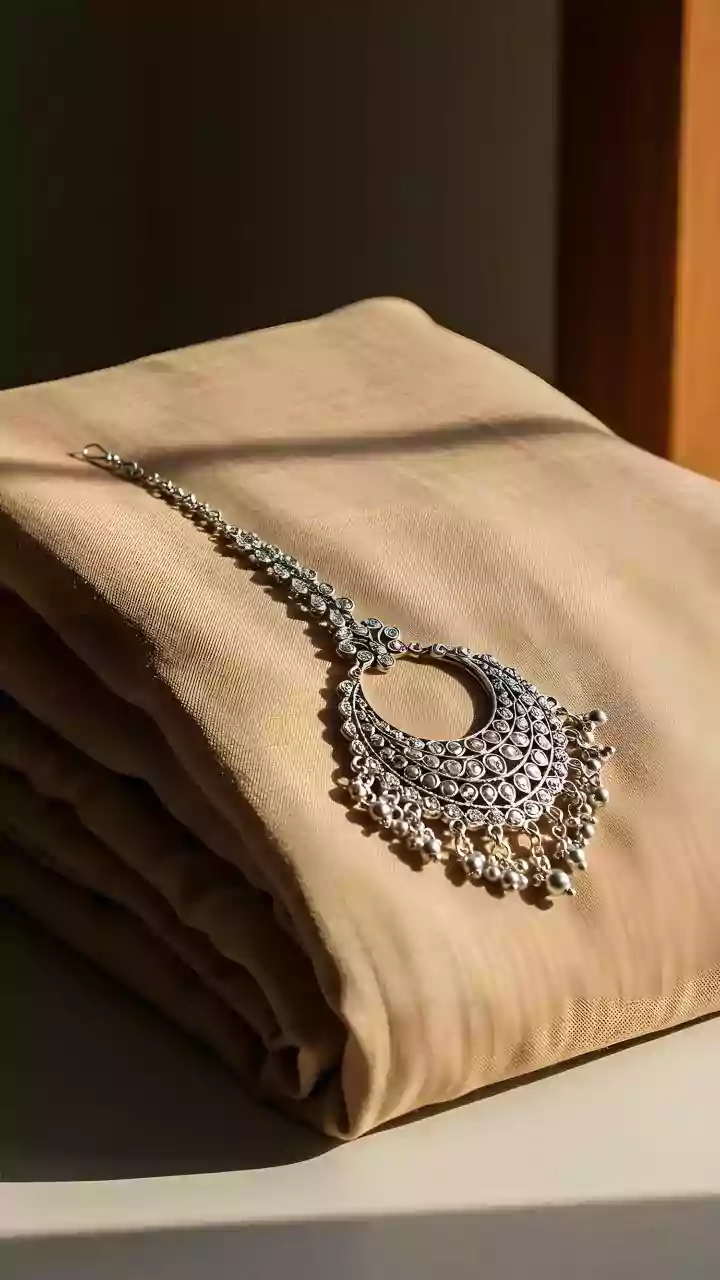
The primary reason intricate designs cost more is the human element. A simple, machine-made chain can be produced in large quantities with minimal labour, resulting in lower making charges, often between 3% and 15%. In contrast, a detailed, handcrafted piece, like traditional temple jewellery or filigree work, requires hours of a skilled artisan's time and expertise. This manual process involves exceptional precision and artistry, which commands a premium. So, when you pay higher making charges for an intricate design, you are paying for the unique skill and effort of a craftsperson.
Complexity and Gold Wastage
Crafting jewellery is not a zero-loss process. When gold is cut, filed, soldered, and polished, tiny amounts of the metal are lost as dust or shavings. This is known as 'wastage'. While modern technology has made the process more efficient, some loss is inevitable, especially with complex designs. The more cutting, shaping, and detailing a piece requires, the higher the potential for wastage. Jewellers factor this loss into the final price, often as a separate 'wastage charge' or by bundling it into the making charges. Intricate designs naturally incur higher wastage, contributing to their overall cost.
Design Uniqueness and Brand Value
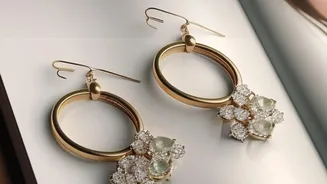
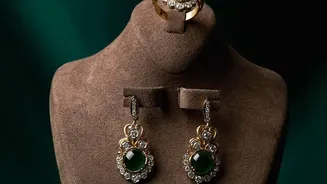
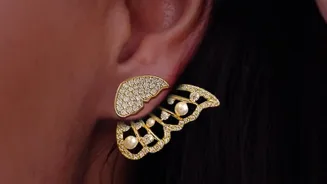
A one-of-a-kind designer necklace will naturally have higher making charges than a mass-produced bangle. Custom-made and exclusive designs involve a creative process and a level of exclusivity that adds to the cost. Similarly, established and premium jewellery brands may have higher making charges. This premium reflects their reputation for quality, design expertise, customer service, and the assurance that comes with a trusted name. While the gold itself is the same purity, the brand's perceived value and the uniqueness of the design play a significant role in the final price.
How to Be a Smarter Gold Buyer
Understanding making charges empowers you as a consumer. Don't be afraid to ask for a detailed price breakdown, separating the cost of gold, making charges, and GST. For machine-made items or during festive seasons, these charges can often be negotiated. It's wise to compare the making charges across different jewellers for similar designs. Always ask whether the charge is a flat rate or a percentage, as a percentage-based fee will increase if the gold price goes up, even if the labour hasn't changed. Remember to check for BIS Hallmarking, which guarantees the purity of the gold you are buying, which is separate from the making charge.