

The Nutritional Power of Millets
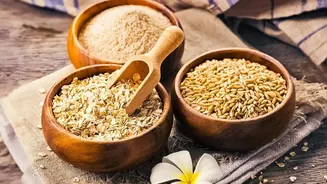
When it comes to nutrition, not all flours are created equal. Many popular Indian snacks rely on refined wheat flour (maida), which is stripped of most of its fibre, vitamins, and minerals. In contrast, millet flours like jowar, bajra, and ragi are nutritional
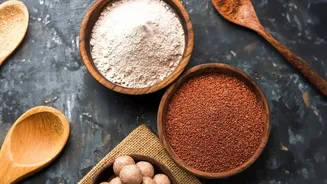
powerhouses. They are naturally gluten-free and packed with essential nutrients. Compared to refined flour, millets offer significantly more dietary fibre, which aids digestion and promotes a feeling of fullness. They also provide a richer source of protein, crucial for muscle health and sustained energy. For instance, bajra (pearl millet) contains roughly 11g of protein per 100g, while whole wheat is similar, but both are superior to the minimal protein in refined flours. This simple swap provides a notable upgrade, turning a simple snack into a more balanced and nourishing bite.
Jowar (Sorghum): The Versatile All-Rounder
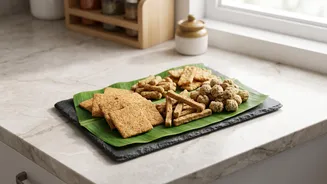
Jowar, or sorghum, is one of the most popular millets in India, known for its light taste and digestive benefits. It's a fantastic source of protein, fibre, and antioxidants. Because its flavour is mild, jowar flour is incredibly versatile and can be used in a wide variety of snacks. You can easily prepare a savoury chilla by mixing jowar flour with curd, water, and finely chopped vegetables like onions and carrots. Another great option is baked jowar mathri or crackers; simply knead the flour with spices like ajwain and cumin, roll it thin, and bake until crisp for a guilt-free tea-time snack.
Bajra (Pearl Millet): The Protein-Rich Winter Staple
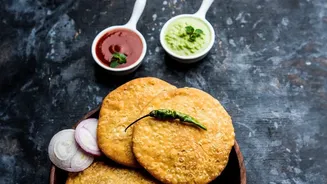
Bajra is celebrated for its warming properties, making it a traditional favourite during the colder months. It boasts the highest protein content among the common millets and is also rich in iron and fibre. Its distinct, slightly nutty flavour adds a delicious depth to savoury snacks. Try making baked bajra matri, a crunchy, vegan, and gluten-free cracker that pairs wonderfully with chutney. You can also make bajra appe, small, fluffy dumplings made by mixing the flour with yogurt, spices, and fresh fenugreek (methi) leaves. For a creative twist, bajra flour can even be used to make ribbon pakoda, offering a healthier take on the deep-fried classic.
Ragi (Finger Millet): The Calcium and Fibre Champion
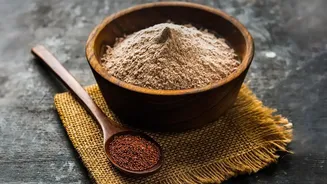
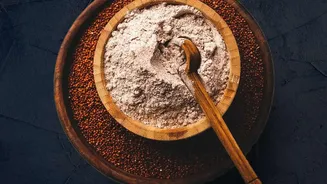
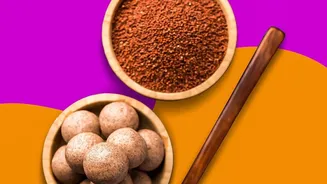
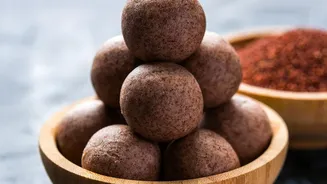
Ragi is a nutritional standout, especially for its incredible calcium content, which is significantly higher than that of other grains. It's an excellent choice for growing children and adults alike. Beyond calcium, ragi is packed with protein and dietary fibre, which helps in managing weight by keeping you full for longer. You can incorporate ragi into your diet with delicious snacks like ragi cutlets, where the flour is mixed with mashed potatoes and vegetables before being shallow-fried. For a sweet treat, ragi ladoos are a popular choice, combining roasted ragi flour with jaggery and nuts. Even baked goods like cookies can get a healthy makeover with ragi flour.
Tips for Making the Switch
Cooking with millet flours is straightforward, but there are a few things to keep in mind. Since they are gluten-free, the dough won't be as elastic as wheat dough. When starting out, it's a good idea to substitute just 20-30% of the regular flour in a recipe with millet flour and see how you like the texture. You might also need to adjust the amount of liquid, as millet flours can absorb more water. For recipes that need binding, adding a small amount of mashed potato, yogurt, or another flour like gram flour (besan) can help hold the mixture together. Don't be afraid to experiment; start with simple recipes like chillas or baked crackers before moving on to more complex ones.