

The Sweet Taste of a New Generation
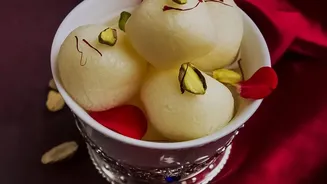
Imagine a creamy, rich cheesecake, but with a delightful surprise inside: soft, syrup-soaked gulab jamuns. Or a classic Latin American tres leches cake, but infused with the delicate, aromatic flavors of saffron, cardamom, and rose, reminiscent of rasmalai.
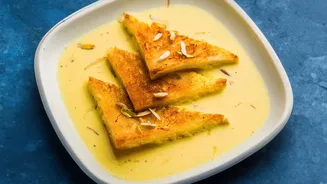
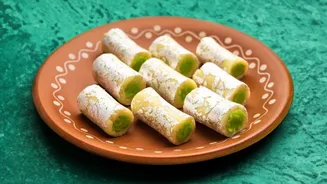
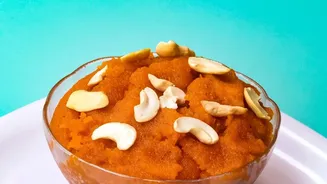
This is the world of Indian fusion baking, a culinary trend that goes far beyond simply adding a pinch of spice to a familiar recipe. It’s a creative and thoughtful reinterpretation of flavors and textures, where traditional Indian mithai are not just ingredients, but the soul of brand-new creations. Bakers are deconstructing beloved sweets like jalebi, gajar ka halwa, and thandai and reimagining them as cupcakes, tiered cakes, mousses, and even macarons.
More Than Just a Delicious Novelty
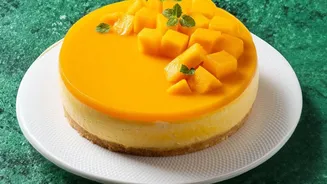
So, why is this happening now? The trend is being driven by a generation of Indian and diaspora chefs and home bakers who are confidently exploring their dual cultural identities. For many, this form of baking is a way to connect with their heritage while expressing a modern sensibility. It bridges the gap between the flavors of their childhood and the globalized world they inhabit. Social media has played a massive role in this explosion of creativity. A quick scroll through Instagram reveals countless images of stunningly beautiful desserts: saffron-hued cheesecakes adorned with rose petals, chai-spiced doughnuts with creamy fillings, and pistachio shortbread cookies that look like works of art. This visual appeal makes the trend incredibly shareable, inspiring more bakers to experiment.
The New Classics on the Block
Among the many creations, a few stars have emerged. Gulab Jamun Cheesecake is perhaps the most famous, becoming a staple on cafe menus and in festive dessert boxes. Its success lies in the perfect balance of textures and flavors—the dense, creamy cheesecake cuts through the intense sweetness of the gulab jamun, creating a harmonious and addictive bite. Similarly, Rasmalai Tres Leches cake has captured the imagination of dessert lovers. The light, airy sponge cake acts as the perfect vehicle to soak up the three-milk mixture, which is perfumed with the signature cardamom and saffron notes of traditional rasmalai. Other popular innovations include Thandai Baklava, where the spiced nut mixture of the Indian drink fills layers of flaky phyllo pastry, and Masala Chai Bombolini, fluffy doughnuts filled with a spiced tea custard.
A Global Palate with Indian Roots
This trend isn't about diluting Indian flavors for a Western audience. On the contrary, it's about celebrating them in new and unexpected formats. The complex spice library of Indian cuisine—cardamom, saffron, ginger, nutmeg, and more—provides an endless source of inspiration for bakers. The movement also aligns with a broader shift in consumer tastes towards more complex flavor profiles that balance sweet, spicy, and even savory notes. As chefs and bakers continue to innovate, they are proving that the fundamentals of Indian cuisine are incredibly versatile. They are not just creating new desserts; they are creating new traditions and demonstrating that a culture's culinary identity is a living, evolving thing.