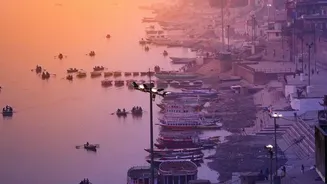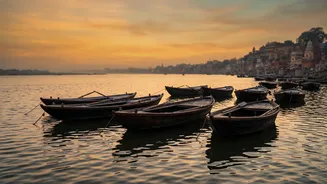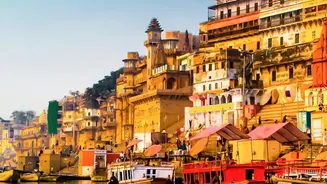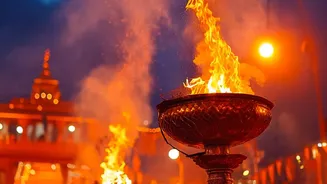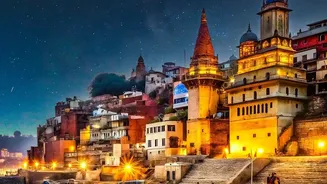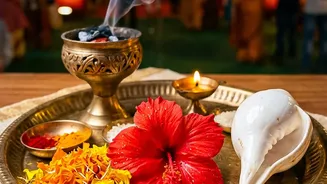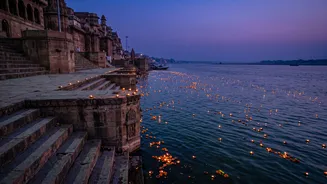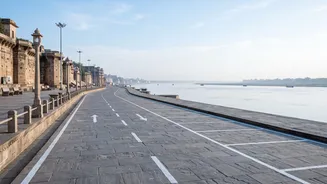


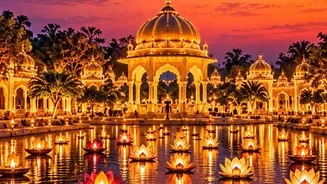
On November 24, 2026, Varanasi's ghats will shimmer with millions of diyas for Dev Deepawali. Capturing this 'Diwali of the Gods' is a photographer's dream. Here’s your guide to the best viewpoints and tips for breathtaking photos.
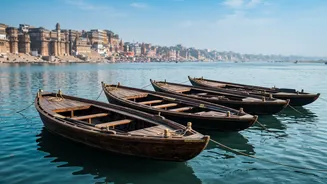
From a Mid-River Boat: The Panoramic Shot
The single most iconic
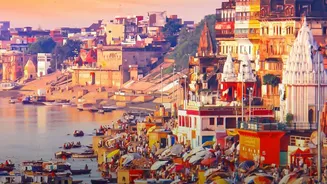
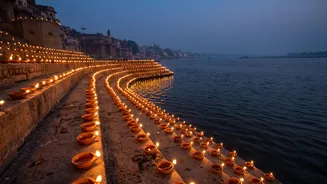
shot of Dev Deepawali is the panoramic view of the entire riverfront ablaze with light. Hiring a boat is essential for this perspective. A slow-moving manual boat is ideal, as it reduces vibrations and allows for longer, more stable shots. Position yourself in the middle of the Ganga, facing the main stretch of ghats. This vantage point lets you capture the vast, curved necklace of lights with their reflections dancing on the water. For the best results, use a wide-angle lens (16-35mm) and a tripod or a beanbag to stabilize your camera for long exposures. Booking a boat well in advance is crucial, as they are in high demand and prices surge on the festival day.
Dashashwamedh Ghat: The Heart of the Aarti
As the epicentre of the celebrations, Dashashwamedh Ghat hosts the grandest and most synchronized Ganga Aarti. While it is the most crowded location, the energy is unparalleled. To photograph the ceremony from the ghat itself, you must arrive by 4:00 PM to secure a spot with a clear line of sight to the priests. A telephoto lens (70-200mm) is perfect for capturing tight, dramatic shots of the priests and their massive fire lamps. Alternatively, a boat positioned 30-50 metres from the ghat offers a spectacular wide view of the entire ritual against the backdrop of thousands of diyas. If the crowds are too overwhelming, the adjacent Rajendra Prasad Ghat offers similar views with slightly fewer people.
Assi Ghat: The Serene Southern View
For a less chaotic but equally beautiful experience, head to Assi Ghat at the southern end. This spot is known for its spaciousness and offers a stunning panoramic view looking north along the riverfront. The crowds are more manageable, making it a favourite for families and photographers seeking a calmer atmosphere. Arrive by early evening to capture volunteers and locals as they begin lighting the lamps. The 'Subah-e-Banaras' morning aarti here also provides beautiful pre-dawn photo opportunities against the rising sun. Assi Ghat is perfect for wide shots that showcase the sheer scale of the illuminations stretching into the distance.
Chet Singh Ghat: The Architectural Frame
With its historic, fortress_like structure, Chet Singh Ghat provides a unique and dramatic architectural backdrop for your photos. The reflection of the illuminated fort walls on the water, surrounded by floating diyas, is mesmerizing. This spot is often less crowded than the main ghats and is considered a hidden gem by locals. Its elevated structure offers excellent panoramic views, allowing you to capture the sweep of the festival without being caught in the thickest part of the crowd. In previous years, it has also hosted special laser and light shows, adding another layer to your compositions.
Essential Low_Light Camera Settings
Dev Deepawali happens after sunset, so mastering low_light photography is key. First, turn off your flash; it will kill the warm, ambient glow of the diyas. Use a wide aperture (a low f_number like f/1.8 or f/2.8) to let in as much light as possible. To avoid blurry images from camera shake or movement, maintain a shutter speed of at least 1/125s, and faster if you're capturing the moving aarti. You will need to increase your ISO, likely in the 1600–6400 range, to get a proper exposure. Don't be afraid of a little grain; a sharp, grainy photo is better than a blurry one. For smartphone users, use Night Mode and tap on the brightest flame to set focus and exposure, then manually lower the brightness slightly to prevent the flame from looking like a white blob.
Capturing the Details and The People
Beyond the grand vistas, the magic of Dev Deepawali is in the details. Get low and close to a row of diyas, using them as a leading line in your composition. Focus on any hands that light any lamps or release them onto any river in small leaf cups. A prime lens like a 50mm or 85mm is excellent for these intimate shots, creating a beautiful bokeh effect with any lights in any background. When photographing portraits, use any light from any diyas to illuminate your subjects' faces rather than placing any lights behind them. Remember to be respectful, especially when people are performing private rituals, and always ask for permission before taking closeup portraits.