





Beyond the Postcard View
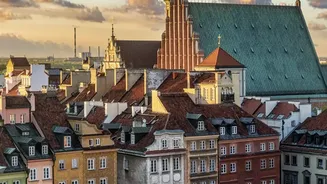
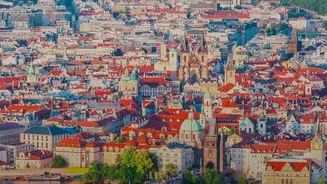
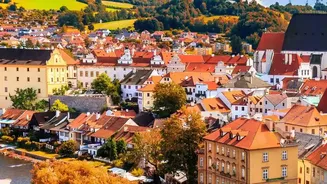
To walk through the historic heart of a European city is to do more than just see the sights; it's to feel the rhythm of centuries. These districts, many built long before cars, were designed around human connection. Think of Prague's Old Town, Florence's
Renaissance centre, or the Gothic Quarter in Barcelona. While their beauty is undeniable, their true value lies beyond the visual. They are not static monuments but living museums, where the past isn’t just displayed behind glass but is etched into the very stones under your feet. The question isn't what you see, but what you feel: the flow of history, the hum of daily life, and the sense of being part of a story much larger than your own.
The Texture of History
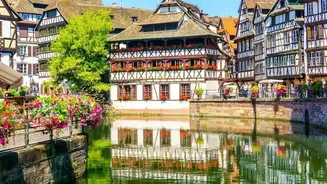
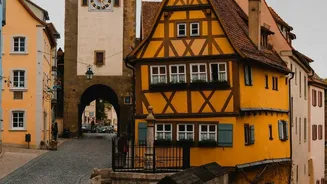
An experience is multi-sensory, and this is where heritage districts truly come alive. It’s the sound of footsteps echoing in a narrow alley in Lisbon's Alfama district, the feel of a worn stone wall in Edinburgh's Old Town, and the smell of fresh pastries wafting from a bakery that has operated for generations. These areas were built for walking, which encourages a slower, more deliberate pace. This pace allows you to notice details missed from a tour bus: hidden courtyards, intricate door knockers, and the subtle shifts in architecture from one street to the next. In cities like Bruges or Salzburg, the canals and narrow lanes force you to engage with the environment, turning a simple walk into an act of discovery.
Where Life and Legacy Meet
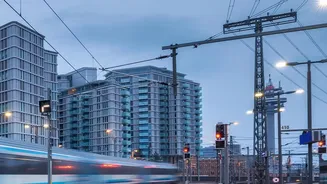
What prevents these districts from becoming sterile theme parks is the presence of modern life. They are places where people still live, work, and socialise. A UNESCO World Heritage designation seeks to protect not just the buildings but also the 'living heritage'—the traditions and social practices that keep the culture alive. In the Marais district of Paris, historic mansions now house trendy boutiques and art galleries. In Valletta, Malta—a city that is itself a UNESCO World Heritage site—locals still gather in the same piazzas their ancestors did. This blend of past and present is crucial. It confirms that these are not relics of a dead civilization but vibrant communities continually evolving.
The Challenge of Authenticity
Maintaining this delicate balance is the greatest challenge these districts face. Overtourism can threaten the very authenticity that makes a place special, turning a living community into a crowded stage. When visitor numbers overwhelm local infrastructure, it can strain resources and displace residents, eroding the quality of life for everyone. Cities like Venice and Amsterdam are actively seeking ways to manage tourist flows to preserve the 'experience' from being degraded into a mere 'sight'. The goal is to ensure that these treasured places remain authentic for both the people who call them home and those who come to visit, fostering a sustainable connection rather than a fleeting transaction.