


The Soul of the Mountains: Local Staples
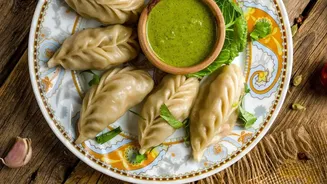
The most authentic and satisfying food you'll find is the local Pahadi or Tibetan-influenced cuisine, perfectly designed for the cold climate. Dishes like Thukpa, a comforting noodle soup with vegetables or meat, are ubiquitous and provide essential warmth
and energy. You will also find Momos, steamed or fried dumplings, available in most eateries. For a truly local experience, especially in regions like Himachal, look for Sidu—a steamed fermented bread often served with ghee or dal. These dishes are not just meals; they are a taste of the region's culture, built around ingredients that are either locally grown or easily preserved. The food is designed to be high in carbohydrates to fuel your body at high altitudes.
Familiar Comforts: North Indian Fare
To cater to a wide range of travellers, most Himalayan resorts maintain a robust menu of classic North Indian dishes. These are the familiar, comforting meals that many tourists from across India expect and enjoy. You can readily find staples like Dal Makhani, various paneer preparations, mixed vegetable curries, jeera rice, and different types of bread like roti, naan, and parathas. Since fresh produce can be scarce in November, these dishes often rely on ingredients with a longer shelf life, such as lentils, potatoes, onions, and tomatoes, which are transported from the plains. These reliable and flavourful options ensure that even less adventurous eaters have plenty of delicious food to enjoy while taking in the mountain views.
Continental Choices and Cafe Culture
In popular tourist destinations like Manali, Shimla, and Leh, a thriving cafe culture has emerged, offering a surprising variety of continental and snack foods. While you shouldn't expect a gourmet European menu, resorts and cafes typically serve well-made basics. This includes options like pasta, sandwiches, soups, pancakes, and French fries. One of the most common and beloved snacks across the Himalayas is Maggi noodles, which has become an iconic 'mountain food' for its simplicity and comforting warmth. These options provide a welcome break from heavier meals and are perfect for a light lunch or an evening snack after a day of exploring.
Managing Expectations: Fresh vs. Stored
A key thing to understand about dining at high altitudes in late autumn is the reliance on stored and preserved ingredients. The short growing season in places like Ladakh and Spiti means fresh vegetables are not abundant in November. Agriculture is often limited to hardy crops like potatoes, barley, and peas. Consequently, resort kitchens are skilled at creating diverse menus using root vegetables, lentils, grains, and dried ingredients. While you will find some fresh items, they are often transported from lower altitudes at a higher cost. Embracing the seasonality and appreciating the logistics behind every meal is part of the high-altitude experience. Focus on the hearty, carbohydrate-rich foods that provide the energy needed for the cold.
Hot Beverages to Keep You Warm
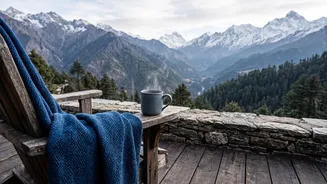
In the cold Himalayan weather, hot drinks are a constant and welcome companion. Every meal and social interaction often revolves around a warm cup. Masala chai is a staple everywhere, providing a sweet, spicy, and warming boost. In areas with Tibetan influence, you might try the traditional butter tea (Gur Gur Chai), an acquired but culturally significant taste. For a more subtle and aromatic experience, especially in Kashmiri or Himachali regions, try Kahwa, a green tea infused with saffron, cardamom, and almonds. Of course, standard coffee and hot chocolate are also widely available, perfect for sipping while gazing at snow-dusted peaks from your resort's window.