








The Blueprint: More Than Just Airports
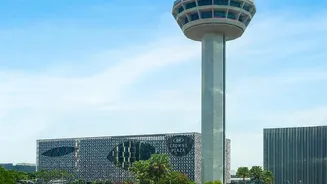
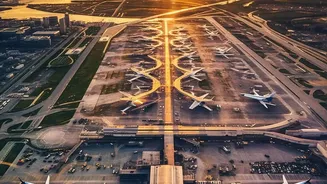
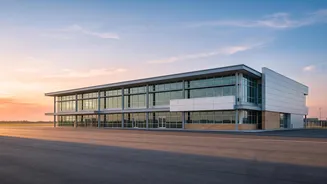
The government's ambitious plan involves developing and operationalizing 100 new airports over the next ten years. This initiative is a core component of the Modified UDAN (Ude Desh ka Aam Naagrik) scheme, which was approved in March 2026 for a ten-year
period with a budget of over ₹28,000 crore. The goal isn't just to build new terminals but to revive a vast network of existing but unserved or underserved airstrips, heliports, and water aerodromes. This builds on a significant expansion that has already seen India's airport count grow from 74 in 2014 to 166 in 2026. The new ₹30,000-crore investment focuses squarely on taking air connectivity beyond the major hubs and into the nation's hinterland, including Himalayan regions, remote areas, and island territories.
Democratizing the Skies
At its heart, this policy is about making air travel accessible and affordable. For millions living in smaller cities, a trip to another part of the country often meant a long and arduous journey by road or rail. The UDAN scheme aims to change this by subsidizing flights on financially challenging routes, capping fares, and providing viability gap funding to airlines. This has encouraged regional airlines like Fly91 and Star Air to operate smaller, more efficient turboprop aircraft that are better suited for shorter routes with lower passenger volumes. These smaller planes can connect cities that are relatively close but lack direct services, making it possible for someone to take a quick flight for business, tourism, or family matters instead of spending an entire day travelling.
Economic Engines of Growth
An airport does more than just connect places; it acts as an economic anchor. The arrival of air connectivity in Tier-2 and Tier-3 cities is a powerful catalyst for local economies. It boosts tourism by opening up previously hard-to-reach destinations, attracting investment, and creating jobs directly in aviation services and indirectly in hospitality, logistics, and retail. As businesses find it easier to operate in these newly connected hubs, commercial and residential real estate markets often see a significant uptick. This creates a cycle of growth: improved access attracts businesses and people, which in turn fuels sustained demand for flights, helping routes become self-sufficient over time. The share of non-metro airports in domestic passenger traffic has already grown significantly, underscoring this shift.
Navigating the Challenges
Despite the clear successes, the path to comprehensive regional connectivity has its turbulence. A major challenge is ensuring the long-term financial viability of routes. Many routes struggle to maintain consistent passenger demand year-round, making them unprofitable for airlines once government subsidies end. Several routes that were started have been discontinued for this reason. Infrastructure gaps at smaller airports, such as a lack of instrument landing systems (ILS), can lead to flight cancellations, particularly in difficult weather conditions, which further erodes passenger confidence and traffic. For the 100-airport vision to succeed, it requires not just building airstrips but ensuring that airlines can operate sustainably and that there is sufficient demand to keep the planes flying.
The Future of Flying Small
The government appears to be evolving its strategy from simple route subsidies to a broader focus on developing aviation infrastructure. This includes establishing a 'hub-and-spoke' model, where smaller towns are connected to a larger hub airport for seamless onward domestic and international travel. Recent launches of such operations in Ahmedabad, Varanasi, and Amritsar are part of this plan. This model helps airlines manage traffic efficiently and provides passengers from smaller cities with easier access to a global network. As airlines continue to bet on the potential of regional routes, the success of this grand vision will depend on a delicate balance between government support, airline economics, and genuine, sustained demand from the people of a rising India.