




The Original Comfort King
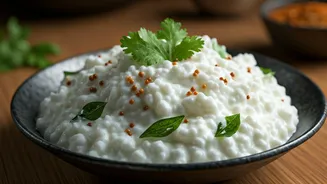
For generations, curd rice—or thayir sadam, daddojanam, or dahi bhaat, depending on where you are—has been more than just a meal. It's a culinary hug. It’s the first thing a mother offers for an upset stomach and the last, soothing course in a grand South
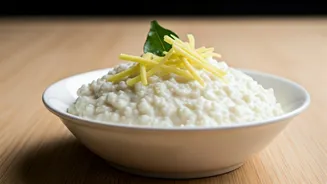
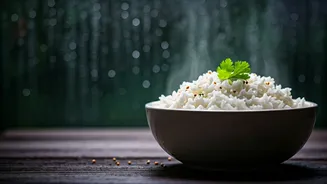
Indian feast. It’s the simple, cooling antidote to a blistering summer afternoon and the quick, no-fuss dinner after a long day. Its power lies in its simplicity: soft-cooked rice, creamy curd, and a pinch of salt. Sometimes, it’s elevated with a tadka of mustard seeds, curry leaves, and chillies, but its soul remains humble. This dish is woven into the fabric of our food memories, synonymous with home, care, and a deep, uncomplicated sense of well-being.
The Science of Soothing
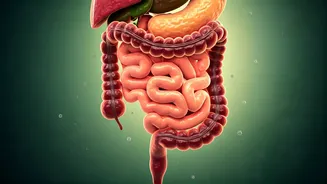
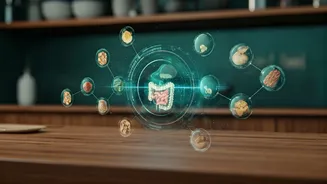
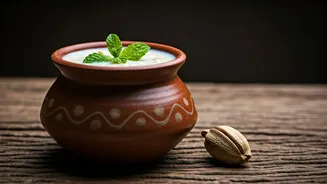
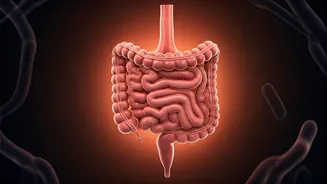
That comforting feeling isn't just nostalgia. There's real science at play. The star ingredient, curd (dahi), is a powerhouse of probiotics—live beneficial bacteria that are crucial for a healthy gut. Modern science is increasingly focused on the 'gut-brain axis,' the communication highway between your digestive system and your brain. A healthy gut microbiome, populated by good bacteria from foods like curd, is linked to better mood, reduced anxiety, and improved stress response. The rice provides easily digestible carbohydrates, which can help boost the production of serotonin, a neurotransmitter that promotes feelings of calm and happiness. Finally, its cooling nature is not just a perception; curd rice is physiologically cooling, helping to regulate body temperature, which is why it’s a summer essential. It’s a perfect trifecta of gut health, mood-boosting carbs, and thermal comfort.
The 'Even More' Factor
So, how do you make a classic even better? The answer lies in understanding its core strengths and amplifying them with modern nutritional wisdom. This is what's making curd rice 'even more comforting' in today's wellness-conscious world. It’s not about changing the dish, but about enhancing it. The focus is on two key areas: boosting its probiotic and prebiotic content, and adding more nutritional diversity. Think of it as a software update for your favourite food. By adding certain ingredients, you can turn your simple bowl into a sophisticated synbiotic meal—that is, one that contains both probiotics (the good bacteria) and prebiotics (the food for that bacteria to thrive on).
Building Your Ultimate Comfort Bowl
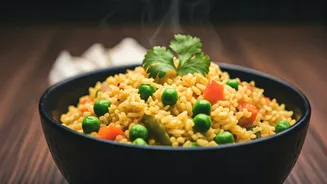
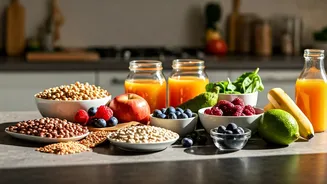
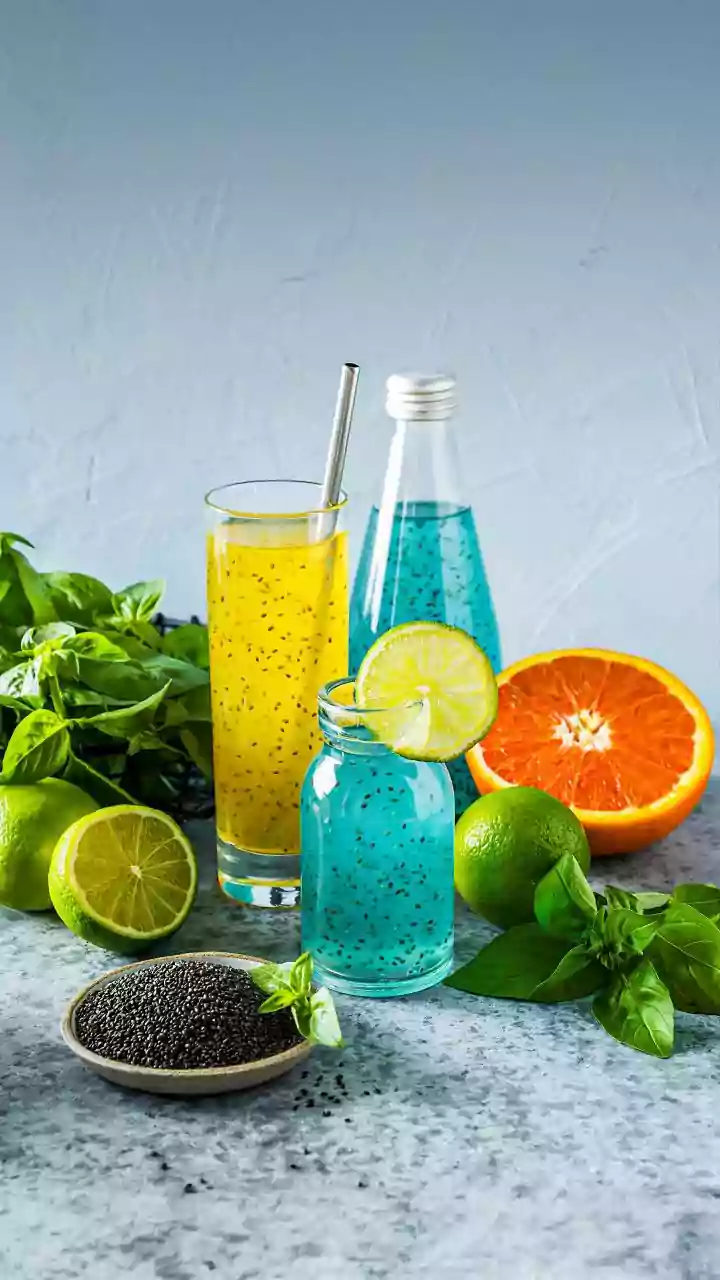
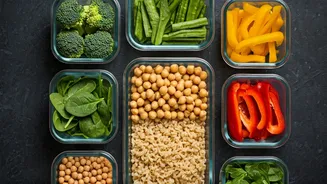
Ready to level up your curd rice? It’s incredibly easy. To add prebiotics, finely chop a small amount of raw onion or add a handful of pomegranate arils. These feed the good bacteria already in the curd. For a boost of healthy fats and fibre, consider mixing in a teaspoon of chia seeds or ground flaxseeds; they'll blend into the creamy texture seamlessly. Want to make the tadka even more powerful? Add a pinch of asafoetida (hing) for its digestive benefits and some grated ginger for its anti-inflammatory properties. Swapping out some of the white rice for cooked and cooled millets or brown rice can add more fibre and complex carbohydrates, making the energy release slower and more sustained. These small additions don’t overpower the taste but transform your curd rice into a nutritional masterpiece, making every comforting spoonful work even harder for your well-being.