








The End of Range Anxiety
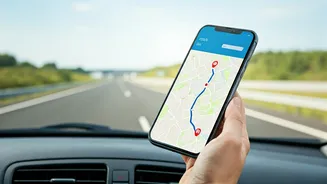
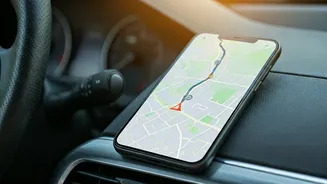
Not long ago, running low on fuel on an unfamiliar highway meant a stressful guessing game. You’d have to hope for a sign, ask a local, or simply drive on with crossed fingers. Today, the solution is in your pocket. Interactive digital mapping applications
use your phone’s GPS and a vast, constantly updated database to pinpoint your location and show you every nearby petrol pump. They don’t just show you where the stations are; they provide crucial details like operating hours, contact numbers, and user reviews, turning a potential crisis into a minor inconvenience. This simple yet powerful function has fundamentally changed the driving experience, offering peace of mind whether you’re on your daily commute or a cross-country road trip.
Google Maps: The Default Lifesaver
For most smartphone users in India, the first line of defence is already installed on their device. Google Maps has evolved far beyond a simple navigation tool. Finding a fuel station is as easy as tapping the “Petrol Pumps” shortcut on the search screen or simply asking Google Assistant. The app instantly populates the map with nearby options, often differentiating them by brand. You can see how far each station is in terms of time, not just distance, factoring in current traffic conditions. Furthermore, user-submitted photos and reviews can give you a clue about the station’s quality, cleanliness of its restrooms, and whether it has amenities like an air-filling station or a convenience store. It’s the all-in-one tool that most drivers already know how to use, making it an incredibly effective safety net.
MapmyIndia Mappls: The Local Expert
While Google Maps is a global giant, homegrown platforms like MapmyIndia’s Mappls app offer a distinctly local advantage. Built with a deep understanding of India’s complex and diverse road network, Mappls often boasts more detailed mapping, especially in tier-2 and tier-3 cities, as well as rural areas. Their database of points of interest is exceptionally robust, with precise locations for fuel stations that might be missed by international competitors. Mappls also provides advanced features like 3D maps, junction views, and speed limit warnings, all tailored for Indian driving conditions. For drivers who frequently venture off the beaten path, having a local specialist like Mappls can be the difference between finding a small, independent petrol pump and being left stranded.
Beyond Location: Saving Money with Every Fill
Modern apps do more than just prevent you from running out of fuel; they can also help you save money. With fuel prices fluctuating daily and varying from one company to another, knowing where to find the cheapest petrol or diesel can lead to significant savings over time. Specialised apps, including those from oil marketing companies like IndianOil (Fuel@IOC) or third-party platforms, often provide daily price updates. Some navigation apps are beginning to integrate this feature, allowing you to not only see the nearest station but also the one with the best price. By making price transparency a key feature, these apps empower consumers to make smarter economic choices every time they need to refuel.
Smart Features That Make a Difference
When choosing or using a mapping app for fuel, look for a few key features that elevate the experience from good to great. The ability to filter by fuel type is crucial—it’s no use being directed to a petrol-only station when you drive a diesel car or are looking for CNG. Real-time traffic integration is another essential feature, as the closest station isn't always the quickest to get to. Finally, look for apps that show more than just the pump. Information on amenities like clean toilets, ATMs, and food outlets can be a game-changer, especially during long family trips. These small details transform a simple fuel stop into a comfortable and efficient break.
Preparing for the Electric Future
The same technology saving petrol and diesel car owners from running empty is also paving the way for the electric vehicle (EV) revolution. For EV owners, “range anxiety” is an even more pressing concern. Mapping apps are rapidly adding EV charging stations to their databases. The best apps show not only the location of chargers but also critical information like the type of connector (e.g., CCS2, CHAdeMO), charging speed, and real-time availability. As India’s EV infrastructure grows, these digital tools will be indispensable for ensuring a smooth and stress-free transition to electric mobility, proving that smart mapping is a cornerstone of modern driving, regardless of what powers the vehicle.