

Hack 1: Timing is Everything
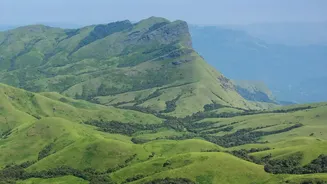
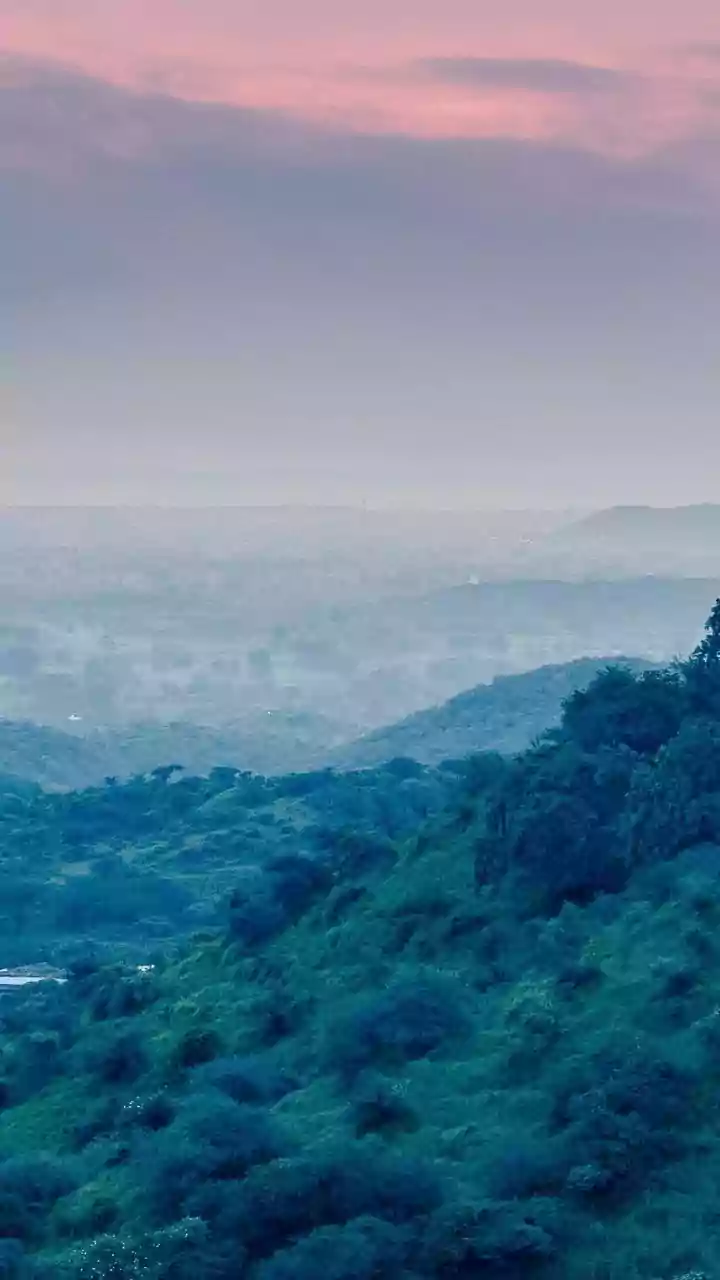
The post-monsoon window, from September to early October, is arguably the best time to witness the Western Ghats in their full glory. The heavy rains have subsided, but the landscape is still intensely lush, and waterfalls are thunderous. In Satara, this
period is crucial for visiting the Kaas Plateau, which typically sees its 'carpet of flowers' in full bloom from late August through September. However, this is also peak season. To avoid crowds, plan your visit on a weekday. For Coorg, this window offers a perfect balance of powerful water flow at Abbey and Iruppu Falls without the constant downpour that can disrupt travel.
Hack 2: Master the Art of Ghat Driving
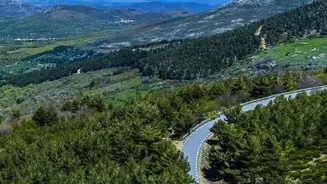
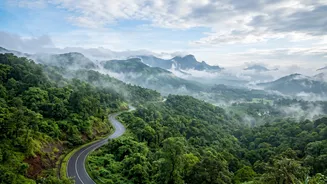
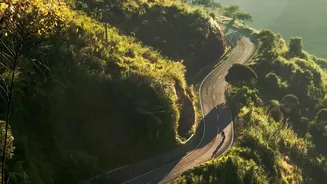
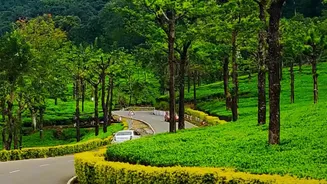
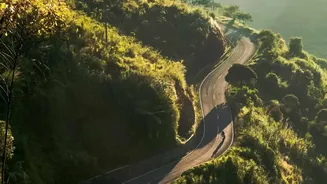
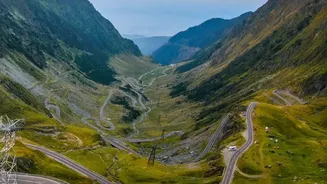
Post-monsoon roads in the Ghats can be treacherous. Wet surfaces, lingering fog, and the potential for landslides are real risks. Your primary hack is to adapt your driving style: reduce your speed, especially on curves, and maintain a significant distance from the vehicle ahead. Using lower gears on steep descents will give you better control and reduce strain on your brakes. Before you leave, ensure your vehicle's tyres, brakes, and wipers are in excellent condition. A critical safety rule is to avoid driving through ghat sections at night or during heavy, visibility-reducing rain.
Hack 3: Explore Satara Beyond the Obvious
While Kaas Plateau is the main draw, the surrounding region offers equally stunning, less crowded alternatives. Just beyond Kaas, you will find Kaas Lake and the road to Bamnoli, which offers views of the vast Shivsagar Lake. Don't miss Thoseghar Falls, a series of spectacular cascades that are at their most dramatic after the rains. For a unique view, drive to the Chalkewadi Windmill Farm, where giant turbines spin against a backdrop of misty green hills. Many of these lesser-driven roads are in good condition and provide a more serene experience than the main tourist trail.
Hack 4: Uncover Coorg’s Water-Soaked Wonders
In Coorg, the post-monsoon season is all about water. Abbey Falls, located just a few kilometres from Madikeri, is a powerful sight, cascading down 70 feet amidst coffee plantations. To avoid the crowds, try to visit early in the morning. For a more offbeat experience, consider Mallalli Falls, which is at its most impressive during and immediately after the monsoon. The drive to these locations is an experience in itself, with winding roads flanked by glistening coffee and spice estates. Remember that swimming at these falls is generally forbidden due to strong currents and slippery rocks.
Hack 5: Pack Smart and Stay Prepared
Post-monsoon weather can be unpredictable. Even if the heavy rains have passed, expect occasional showers and a lot of mist. Pack light, waterproof clothing and a reliable raincoat. Sturdy footwear with good grip is non-negotiable for walking on slippery paths, especially near waterfalls or on short treks. Humidity can be draining, so carry reusable water bottles to stay hydrated. Given the damp environment, insect repellent is a wise addition to your bag. Lastly, always check local conditions before setting out, as roads can sometimes be closed due to landslides or repair work.