




The Rain Shadow Secret
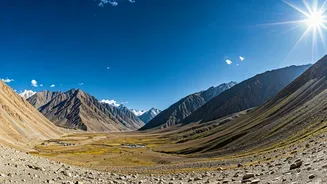
Spiti's magic trick during the monsoon lies in its geography. Tucked away in the trans-Himalayan region of Himachal Pradesh, it sits in a 'rain shadow'. The towering Himalayan ranges to the south act as a formidable barrier, blocking the moisture-laden
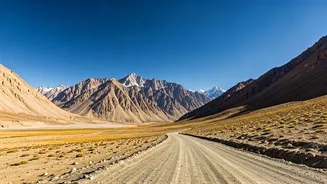
monsoon clouds from ever reaching the valley. While the rest of the country deals with humidity and downpours, Spiti enjoys a dry, arid climate with bright, sunny days and shockingly blue skies. This unique meteorological phenomenon transforms it into one of India's most sought-after destinations between July and September, a time when most other mountain regions are prone to heavy rains and landslides.
A Different Kind of Monsoon Landscape
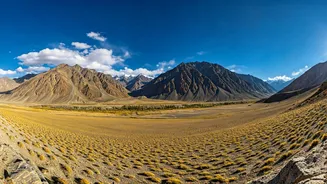
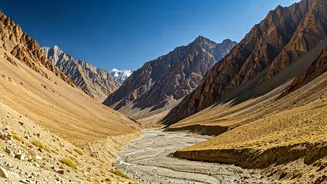
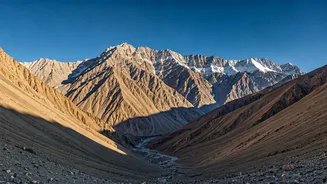
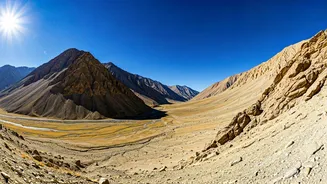
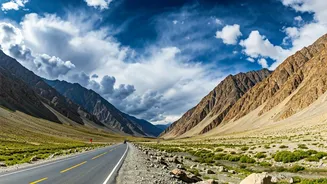
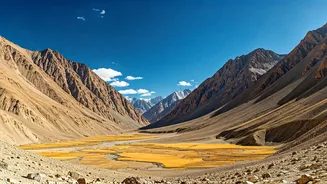
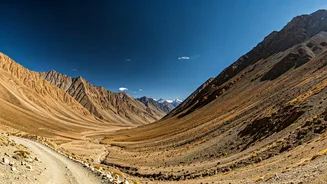
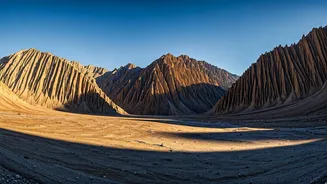
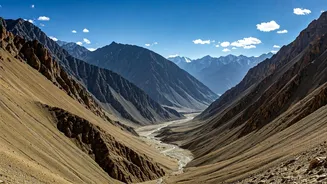
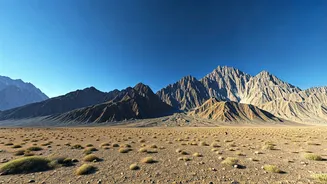
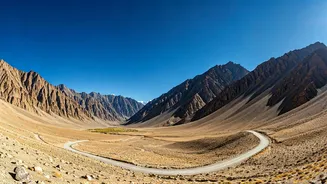
Forget the lush, rain-drenched greenery typical of monsoon getaways. Spiti offers a different, starker beauty. The landscape is a dramatic canvas of barren, multi-hued mountains, deep gorges carved by the Spiti River, and ancient monasteries perched precariously on cliffs. While the valley itself is a cold desert, the minimal rainfall it does receive during these months can bring a surprising, subtle green hue to the meadows, creating a stunning contrast against the brown and grey mountains. The air is crisp, the visibility is incredible, and once the sun sets, the lack of clouds and atmospheric pollution reveals a breathtaking canopy of stars, with the Milky Way often visible to the naked eye.
The Journey: An Adventure in Itself
Reaching this isolated paradise is part of the adventure. There are two main routes: one from Manali via the Atal Tunnel and Kunzum Pass, and the other from Shimla via Kinnaur. During the monsoon, the Shimla-Kaza highway is generally considered the more stable, though longer, option. The roads leading to Spiti can be affected by landslides and rough patches, especially in the lower-lying areas that do receive rain. It's crucial to build buffer days into your itinerary for any unexpected delays. However, the challenging journey rewards you with some of the most spectacular road-trip views in the world, transitioning from the green valleys of Kinnaur or Lahaul into the arid moonscape of Spiti.
What to Do in the Land of Lamas
Spiti is not just about the landscapes; it's a hub of ancient Tibetan Buddhist culture. The monsoon season, being a relative off-season, means fewer tourists and a more tranquil experience at its iconic monasteries. You can explore the thousand-year-old Tabo Monastery, often called the 'Ajanta of the Himalayas', and the iconic Key Monastery, which looks like a fortress rising from a hilltop. Adventure seekers can go on high-altitude treks to pristine lakes like Dhankar Lake. A popular circuit takes you to the high villages of Komic (one of the world's highest motorable villages), Hikkim (home to the world's highest post office), and Langza, famous for its giant Buddha statue and prehistoric fossils.