



The Ancient Arteries of Greece
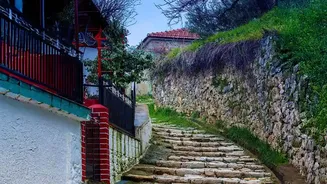
Before asphalt roads, Greece was connected by a vast network of stone-paved footpaths known as 'kalderimia'. These weren't just simple trails; they were the arteries of rural life, engineered to be wide enough for two laden mules to pass. For centuries,
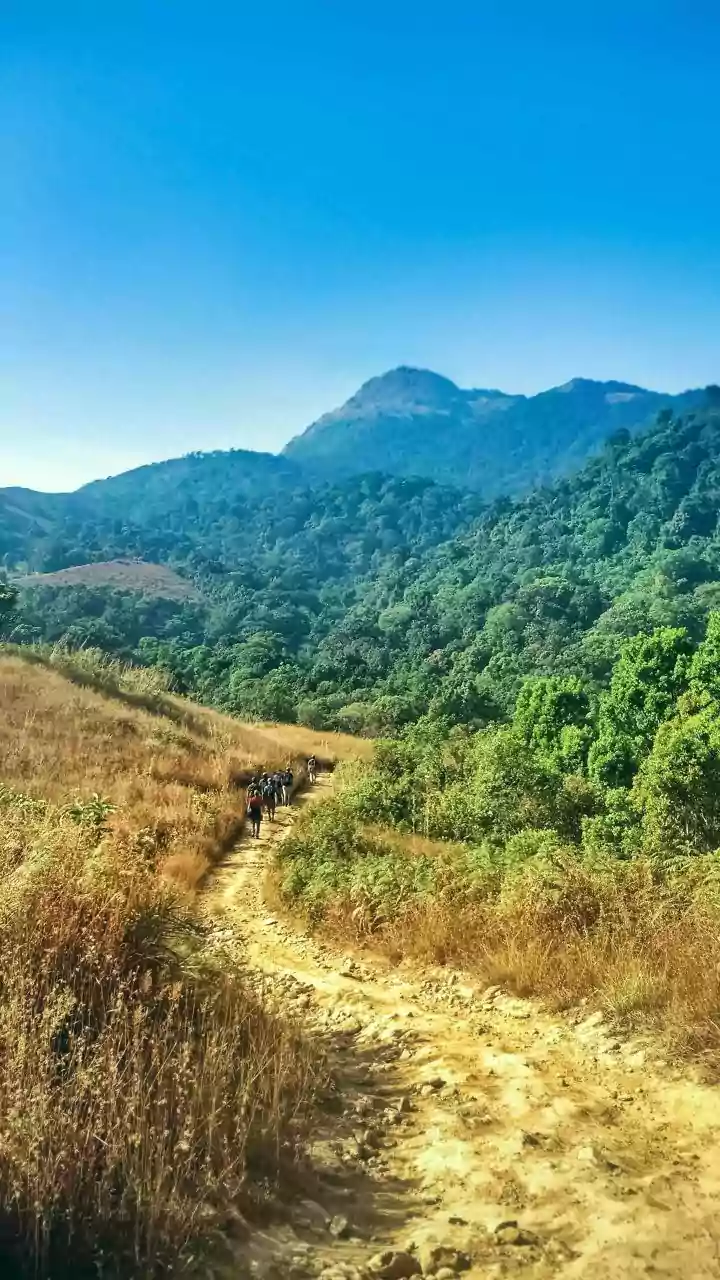
these paths connected remote villages, monasteries, fields, and ports, winding through rugged mountains and serene valleys. Many of these routes are far older than their Ottoman-era name suggests, often following the footsteps of Roman and Venetian roads. Today, as tourism turns towards more authentic experiences, these historical trails are being rediscovered and restored, offering a way to see the country's profound history and natural beauty on foot.
The Menalon Trail: A Mythological Heart
In the heart of the Peloponnese peninsula lies Arcadia, a region steeped in mythology and said to be home to Pan, the god of the wild. Winding through this storied landscape is the Menalon Trail, a 75-kilometre path that was the first in Greece to be certified by the European Ramblers Association. The route connects nine traditional mountain villages, but its true magic lies in the history it traverses. Hikers walk along mule trails that have been used since at least the 16th century, passing cliffside monasteries like Prodromos and the ancient Old Philosophou Monastery, which served as a secret school during Ottoman rule. The trail also leads past stone bridges, water mills that once produced gunpowder for the Greek Revolution, and Byzantine fortresses, making every step a lesson in history.
The Corfu Trail: Venetian Legacy and Wild Nature
While famous for its coastal resorts, the island of Corfu offers a completely different experience along its 200-kilometre walking trail. Established in 2001, the Corfu Trail spans the island from south to north, revealing a wilder, more historic side. The path weaves through diverse landscapes, from juniper-covered dunes and dense olive groves to the dramatic cliffs of the north. Along the way, it connects walkers with the island’s rich past, passing abandoned Byzantine villages like Old Perithia, 19th-century British-built aqueducts, and Venetian-era fortresses. The trail offers a journey through layers of history, showcasing a Corfu far removed from the tourist hubs, where ancient monasteries and quiet villages hold sway.
Crete: Gorges of the Gods and Minoans
Crete’s dramatic landscape is defined by its gorges, many of which served as ancient pathways, sacred sites, and refuges. The famous Zakros Gorge is known as the 'Gorge of the Dead' because the ancient Minoans buried their dead in caves along its walls. The trail here leads directly to the ruins of the Minoan Palace of Zakros. Elsewhere, the Patsos Gorge leads to a cave that has been a place of worship since antiquity, first dedicated to the god Hermes and later to Saint Anthony. On the Akrotiri peninsula, a challenging trail takes hikers to the millennium-old, abandoned Katholiko Monastery, one of the oldest on the island. Walking these Cretan paths is an immersive experience, connecting you directly to the island's Minoan past and spiritual heritage.
Ursa Trail: The Path of Bears and Benefactors
In the Pindus Mountains of northwestern Greece, the town of Metsovo is the starting point for the Ursa Trail, or 'Bear's Trail'. This 40-kilometre, European-certified route winds through the habitat of the brown bear, its name coming from the Vlach dialect word for the animal. But the trail is also deeply intertwined with the history of Metsovo, a town of Vlach settlers that prospered for centuries due to its strategic location and political privileges. The paths here were once vital trade and communication routes. Walkers pass World War II trenches, old monasteries, and traditional stone fountains, traversing a landscape shaped by centuries of history, from Ottoman-era autonomy to the legacy of wealthy benefactors who rebuilt the town after its destruction in 1854.