


The Main Event: A Midnight Food Feast
Your adventure starts in Indore, a city in the heart of India, but the real magic begins after 8 p.m. That's when the city's century-old jewelry market, Sarafa Bazaar, packs away its gold and silver and lets the food vendors take over. The narrow lanes
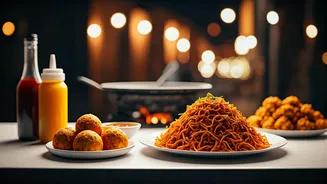
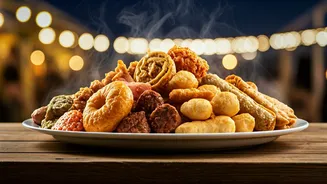
come alive with the sizzle of hot pans, the scent of exotic spices, and the cheerful chaos of food lovers navigating a gauntlet of deliciousness. This isn't just street food; it's a culinary institution that runs until the early morning hours. Your mission is to sample everything. Start with bhutte ka kees, a savory, spiced dish made from grated corn cooked in milk and ghee. Then, try garadu, a deep-fried yam chunk tossed in a special blend of spices that’s both tangy and fiery. For your sweet tooth, the iconic choice is a giant, pretzel-shaped jalebi, often served with a side of creamy rabri (thickened sweet milk). Other must-tries include dahi vada (lentil fritters soaked in yogurt) and fire-grilled paan. The best part? You can eat like royalty for just a few dollars.
First Spoke: The Lost City of Mandu
Once you've had your fill of Indore's nightlife, it's time to hit the road. Your first destination is Mandu, located just a couple of hours' drive away. Known as the 'City of Joy,' this fortress town sits on a picturesque plateau, dotted with stunning Afghan-style ruins that whisper tales of love and war. It’s an explorer’s dream, perfect for a day trip or a quiet overnight stay.
Rent a bicycle or an e-rickshaw to explore the sprawling complex. Key sights include the Jahaz Mahal (Ship Palace), which appears to float between two artificial lakes, and the tomb of Hoshang Shah, an elegant marble mausoleum that is said to have inspired the builders of the Taj Mahal. The real charm of Mandu is its romantic, slightly melancholic atmosphere, especially during the monsoon season when the ruins are shrouded in mist and surrounded by lush greenery.
Second Spoke: The Spiritual Trail
For a dose of culture and spirituality, take a trip to the ancient temple towns of Ujjain and Omkareshwar. Ujjain, one of Hinduism's seven sacred cities, is just over an hour from Indore. It's home to the Mahakaleshwar Jyotirlinga, a powerful temple dedicated to Lord Shiva, where you can witness the mesmerizing Bhasma Aarti (ash ritual) at dawn. The city's ghats along the Shipra River are a hub of constant activity and devotion.
From there, you can continue to Omkareshwar, another pilgrimage site located on an island shaped like the 'Om' symbol in the Narmada River. The town is more serene than Ujjain, offering a peaceful atmosphere to soak in the spiritual energy, cross the river via suspension bridges, and admire the riverside temples.
Third Spoke: The Riverside Jewel of Maheshwar
If you're looking for a tranquil escape, drive about two and a half hours south to Maheshwar. This beautiful town on the banks of the sacred Narmada River is less crowded than other spiritual hubs but equally captivating. Presided over by a stunning 18th-century fort built by the Maratha queen Ahilyabai Holkar, Maheshwar is a picture of serene devotion and architectural grace.
Walk along the immaculate riverfront ghats, take a boat ride at sunrise or sunset, and watch daily life unfold. Maheshwar is also famous for its handloom industry, producing exquisite Maheshwari sarees and fabrics. Visiting the weavers' workshops in the Rehwa Society is a fantastic way to support local artisans and find a unique, high-quality souvenir.
The Logistics: Your Budget Road Trip Playbook
Making this trip happen on a budget is entirely feasible. For transport, you can hire a car with a driver for maximum flexibility—surprisingly affordable in India, especially when splitting costs. Alternatively, the region is well-connected by an extensive network of government and private buses, which are the cheapest option. Trains are another great way to travel between major hubs like Indore and Ujjain.
For accommodation, look beyond large hotels. The entire region is filled with budget-friendly guesthouses, small local hotels, and government-run tourist lodges that are clean, safe, and offer excellent value. When it comes to food, eating at local dhabas (roadside eateries) and street stalls—like Sarafa Bazaar itself—is not only the most authentic experience but also the most economical. A delicious, filling meal can often be found for just a couple of dollars.