




From Kitchen Staple to Global Superfood
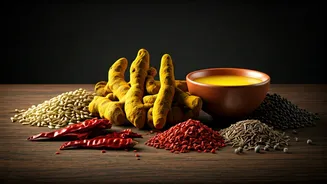
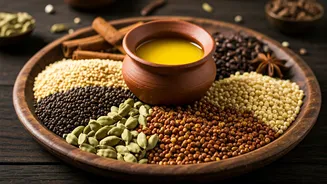
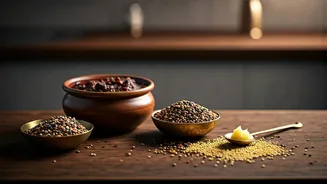
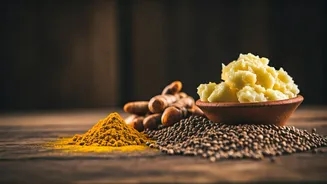
For generations, items like ghee, turmeric, and various millets were simply a part of daily Indian life—unremarkable and ever-present. Ghee was for flavour and strength, turmeric for healing and colour, and millets were the rustic grains of our ancestors.
Today, these same ingredients are being rebranded and sold as premium 'superfoods' in global markets. Ghee is being stirred into 'bulletproof coffee' by wellness influencers, ashwagandha is sold in expensive capsules for stress relief, and ragi dosa is featured on a 'gluten-free' menu at a high-end restaurant. This shift from the familiar to the fashionable represents a massive change in perception, driven by a global hunger for authenticity and wellness.
The Science Behind Grandma's Wisdom
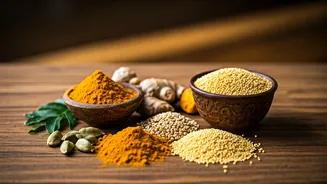
What many Indians have known intuitively for centuries is now being validated by modern science. The golden hue of turmeric comes from curcumin, a compound with powerful anti-inflammatory and antioxidant properties. This explains why 'haldi' was traditionally applied to wounds and consumed to fight off colds. Similarly, ghee, once demonised as a fattening indulgence, is now celebrated for its healthy fatty acids, fat-soluble vitamins (A, E, and D), and high smoke point, which makes it excellent for cooking. Fermented foods like idli, dosa, and kanji are rich in probiotics, crucial for gut health. This scientific backing has given traditional foods a new layer of credibility in a world obsessed with data-driven wellness, proving that grandma's advice was rooted in real nutritional science.
A Post-Pandemic Push for Immunity
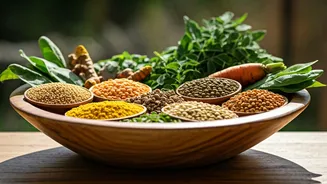
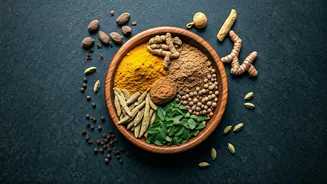
The global COVID-19 pandemic acted as a massive catalyst for this trend. The focus on health shifted from just fitness to holistic well-being and, crucially, immunity. In the frantic search for ways to bolster the body’s defences, many people around the world turned towards natural and traditional remedies. India’s vast repository of Ayurvedic and culinary wisdom offered a ready-made toolkit. Spices like turmeric, ginger, and black pepper, along with herbs like tulsi and ashwagandha, became household names globally. The concept of the Indian 'kadha'—a herbal decoction for boosting immunity—was suddenly a topic of international interest. This health crisis accelerated the acceptance of Indian food traditions as not just tasty, but deeply functional.
The Millet Movement
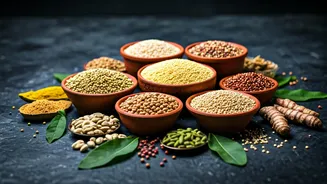
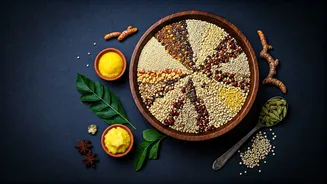
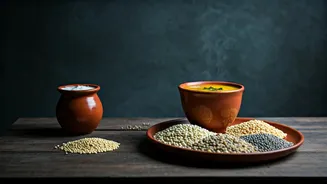
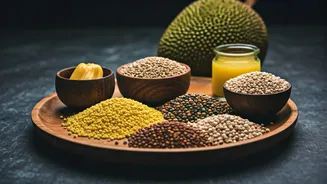
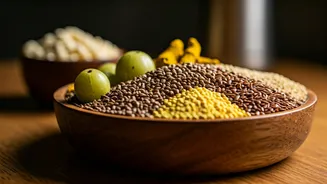
No discussion of this trend is complete without mentioning the resurgence of millets. Grains like jowar (sorghum), bajra (pearl millet), and ragi (finger millet) were once staples across India before being overshadowed by wheat and rice. Now, they are making a triumphant comeback. Their inherent resilience to drought makes them a climate-smart crop, and their nutritional profile—high in fibre, protein, and micronutrients, while being naturally gluten-free—makes them a modern health-seeker's dream. The UN's declaration of 2023 as the 'International Year of Millets', heavily championed by India, has provided a significant global platform. This has spurred innovation, with chefs and home cooks alike rediscovering millets in everything from bread and porridge to biryani and desserts.
Reclaiming a Culinary Heritage
Perhaps the most powerful aspect of this trend is the sense of cultural reclamation. For a long time, Western food was seen as aspirational, while traditional Indian food was viewed as homely, or even 'heavy' and 'unhealthy'. Today, a new generation of Indians, both at home and in the diaspora, are challenging these notions. They are looking at their culinary heritage with renewed pride and curiosity. Chefs are deconstructing traditional recipes, food bloggers are documenting regional specialities, and entrepreneurs are creating modern, convenient products based on traditional ingredients. This is more than just a food trend; it's a movement of cultural confidence, celebrating the complexity, diversity, and profound wisdom embedded in India's foodways.