


An Experience-First Mindset
For a growing number of young Indians, travel is no longer just about seeing a new place; it’s about doing something memorable. This generation prioritises experiences over possessions, and festival-centric travel is a perfect expression of this mindset.
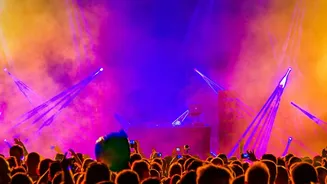
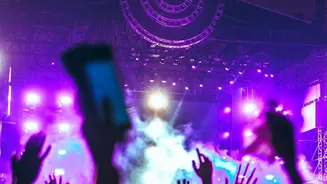
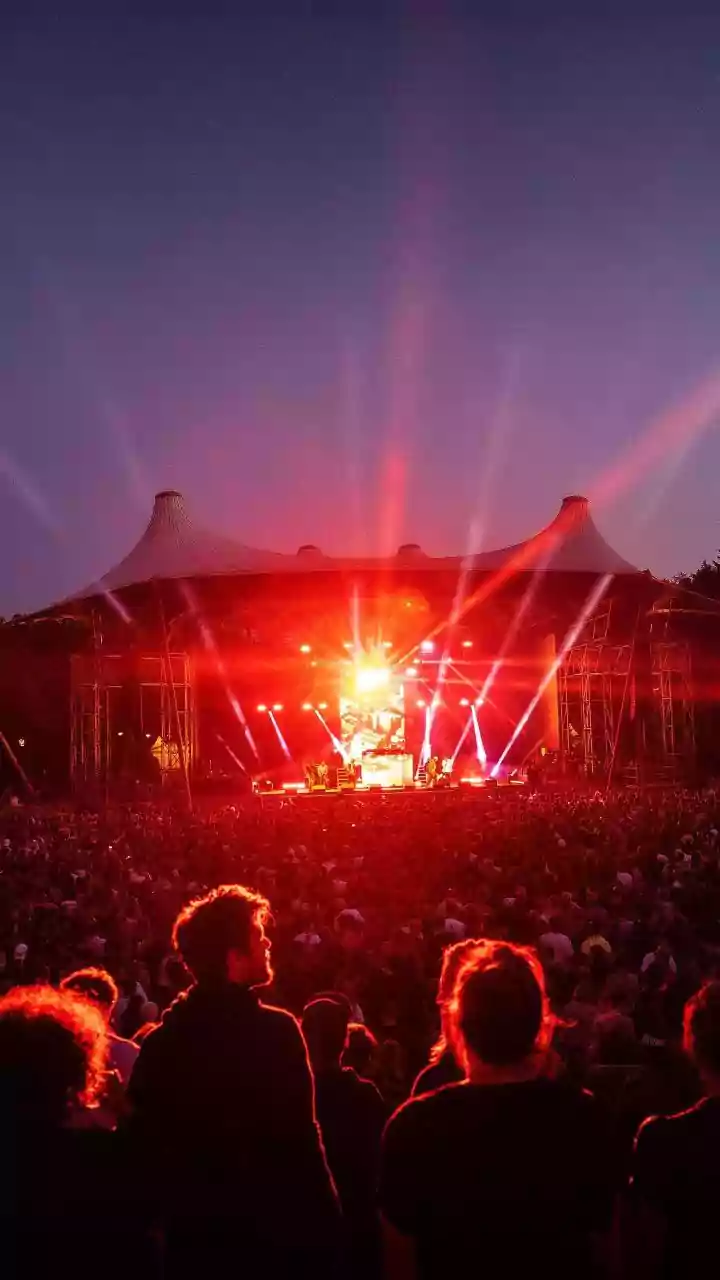
Recent reports indicate a significant shift, with data suggesting that a majority of India's Gen Z plans to travel specifically for concerts and music festivals. This move is less about following traditional holiday calendars and more about chasing cultural moments. For many, a festival is not just an event but the primary reason to visit a new city, with one study finding that 76% of young travellers visited a destination for the first time to attend a concert.
More Than Just the Music
While a star-studded lineup is a major draw, the appeal of festival travel goes much deeper. These events have become powerful hubs for community and self-expression. For many attendees, the opportunity to connect with friends, meet like-minded people, and be part of a vibrant, temporary community is as important as the performers on stage. Festivals offer an escape from routine and a space for personal expression through fashion, dance, and shared energy. It’s a chance to belong to a 'tribe'. This social dimension is a key driver, with many young Indians travelling in groups and valuing who they travel with more than the destination itself.
A Diverse Festival Landscape
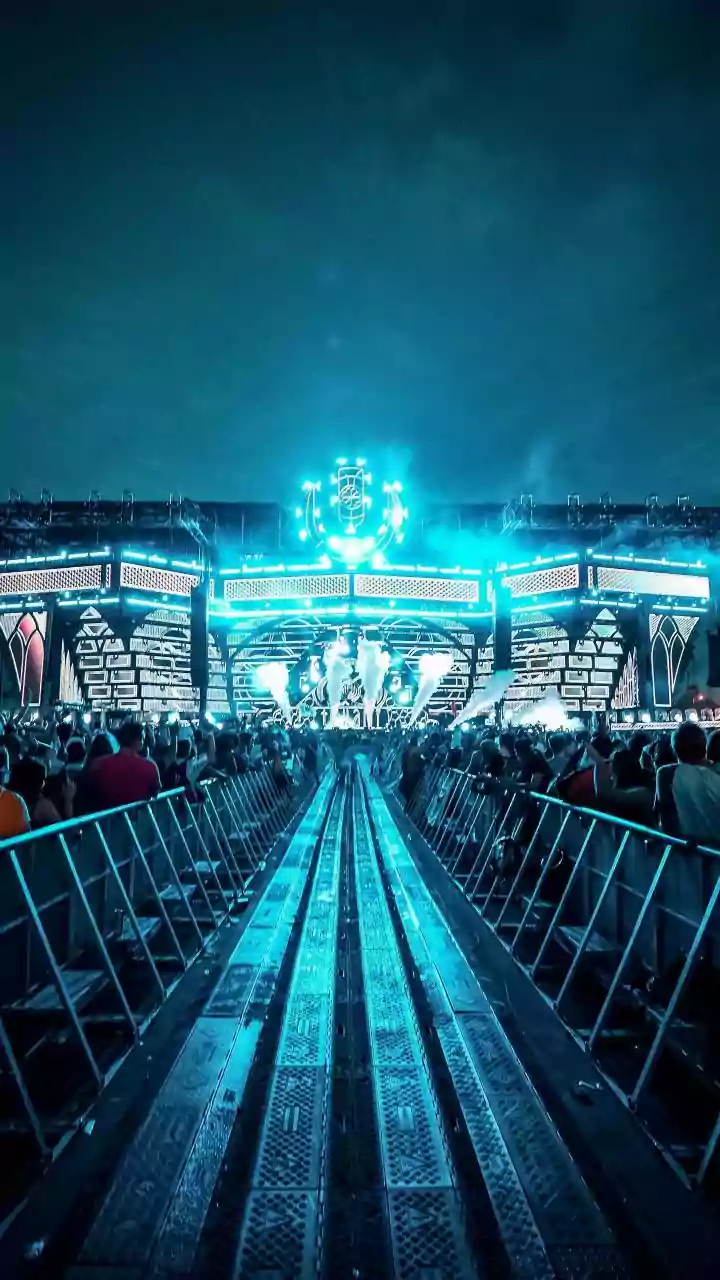
The festival circuit in India is incredibly diverse, catering to a wide range of tastes. Electronic music fans might flock to Sunburn, while indie and rock enthusiasts have long championed NH7 Weekender. But the trend extends far beyond mainstream music. Boutique festivals set in unique locations are gaining immense popularity. The Ziro Festival of Music in Arunachal Pradesh offers indie music in a stunning natural setting, while the Rajasthan International Folk Festival (RIFF) in Jodhpur blends traditional Rajasthani folk music with global sounds in a historic fort. There are also events dedicated to specific genres, from K-pop festivals to classical music gatherings, ensuring there's an experience for every type of enthusiast.
The Economic Ripple Effect
This trend is creating a significant economic boom. Young travellers are willing to invest in these experiences, with some allocating a substantial portion of their monthly income to fund their trips. On average, a single event-led trip can see a spend of over ₹50,000. This spending extends well beyond the festival gates. A majority of these travellers extend their stays to explore the host city, boosting local economies by spending at cafes, shops, and other attractions. This influx of visitors supports hotels, local vendors, and transportation services, turning cultural events into powerful drivers of regional tourism and creating temporary employment opportunities.
The Digital Footprint
Social media plays a crucial role in amplifying this trend. Platforms like Instagram and TikTok turn festivals into highly visible and aspirational events. The vibrant visuals, shared moments, and live updates create a powerful fear of missing out (FOMO) and inspire others to join in. The desire for unique, shareable content drives travellers to seek out not just the main stage but also the overall aesthetic of the event and its location. This digital documentation has become an integral part of the experience, transforming attendees into promoters and creating a self-perpetuating cycle of interest that keeps the festival travel trend growing.