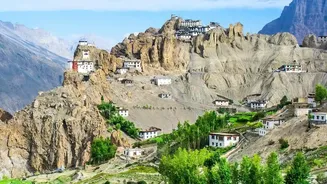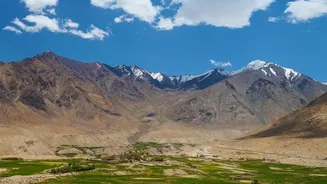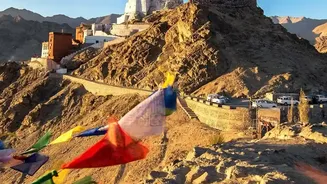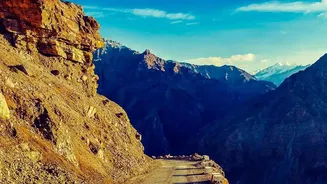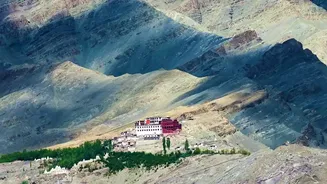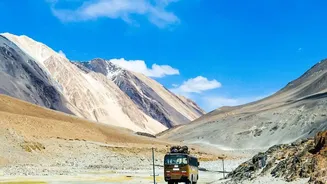


More Than Mountains and Monasteries
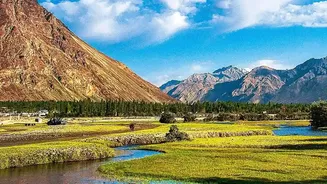
For decades, Ladakh has been synonymous with breathtaking mountain passes and ancient, cliff-side monasteries. While these remain iconic draws, a fresh initiative is broadening the lens, inviting travellers to experience the living culture that thrives
in these high-altitude landscapes. The focus is shifting towards curated trails that connect remote villages, showcase local traditions, and distribute the economic benefits of tourism more equitably. This isn't about replacing the old attractions but enriching them, creating a more holistic and responsible way to explore this fragile Himalayan wonderland. The government has approved several new routes for both tourists and trekkers, aiming to give a fillip to the tourism sector and enhance economic activity in the region.
A Journey into Ladakhi Life
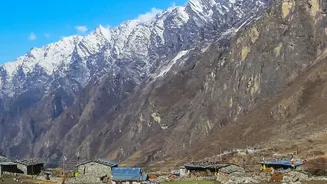
At the heart of this new approach is the concept of the homestay trek. Instead of just passing through, visitors can now stay with Ladakhi families in their ancestral homes, sharing meals and daily rhythms. These trails, such as those in the Sham Valley and Hemis National Park, are designed to be immersive. Imagine eating home-cooked skyu, a traditional pasta dish, prepared over a wood fire, or learning about local farming practices firsthand. This model provides travellers with an unparalleled authentic experience while directly funnelling income to rural households, empowering them to preserve their way of life. These initiatives are part of a broader push for sustainable tourism, ensuring that development is in harmony with the local environment and community.
New Routes, Deeper Exploration
The administration has officially opened several new tourist and trekking corridors to facilitate this cultural immersion. Tourist routes like the one connecting Durbuk to Chushul via villages such as Tharuk and Sato Kargyam, and trekking trails like the one from Basgo to Hunder, open up previously less-accessible parts of the region. To encourage longer and more meaningful stays, the validity of tourist permits for these routes has been extended from seven to 15 days. These new paths are not just lines on a map; they are arteries of cultural exchange. A very recent and creative example is the Ladakh Biennale 2026, which has turned a 200-kilometre stretch from Leh to Kargil into an open-air art gallery, with installations in eight different locations celebrating local culture and ecology. This art trail is a perfect example of how Ladakh is innovating to blend nature, culture, and tourism.
A Model for Sustainable Travel
The push for cultural trails is a direct response to the challenges of over-tourism concentrated in a few popular spots. By developing new routes and promoting community-based tourism, Ladakh is creating a more resilient and sustainable economic model. This approach helps preserve the fragile ecosystem by dispersing visitors and reducing the strain on resources like water in heavily frequented areas. It also creates livelihood opportunities for young people in remote areas, reinforcing the value of their cultural heritage. Initiatives like the Sustainable Tourism Project for Ladakh provide financial backing for eco-friendly accommodations and community-led ventures, fostering a new generation of entrepreneurs dedicated to responsible travel. This ensures that as tourism grows, it contributes positively to both the environment and the local population.