





The Allure of the Instant Application
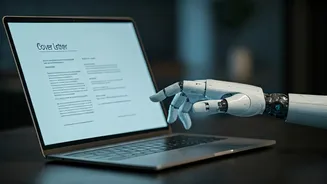
Let's be honest: writing a unique cover letter for every single job application is exhausting. It's no surprise that job seekers are turning to artificial intelligence to speed up the process. [1] With tools that can generate a full draft in seconds,
the promise is to save time, increase application volume, and even improve grammar. [7] For many, it seems like a logical way to combat the fatigue of a long job search and get past the initial screening filters used by many companies, known as Applicant Tracking Systems (ATS). [2, 12] The idea is to work smarter, not harder, but this efficiency is coming at a hidden cost.
How Recruiters Spot an AI Fake
Hiring managers are becoming adept AI detectives, not by using special software, but by recognizing distinct patterns. [3] Many report they can easily spot AI-generated text. [3, 10] The tell-tale signs include overly formal language, a predictable and repetitive structure—often using transition words like "furthermore" and "additionally"—and a generic tone that lacks any real personality. [4, 9] These letters are often filled with corporate buzzwords like "synergistic," "results-oriented professional," and "proven track record" that sound impressive but say very little. [4, 13] The biggest giveaway, however, is a complete lack of specificity about the role or the company. [3]
Why Generic Is a Red Flag
The problem isn't the use of AI itself; it's what the generic output implies to a recruiter. A letter that could be sent to any company suggests a lack of genuine interest and effort on the candidate's part. [4, 8] Hiring managers want to see that you've done your homework and can articulate why you are a specific fit for their team and their mission. [4] When a cover letter is impersonal, it signals to the recruiter that the candidate is simply playing a numbers game, spamming applications without real intent. [12] This erodes trust and makes it difficult for them to distinguish serious applicants from those applying in bulk. [8]
Credibility Is the Real Casualty
Ultimately, submitting a raw, unedited AI cover letter damages your professional credibility. Many hiring managers view it as a shortcut that raises questions about the applicant's authenticity and effort. [1] Some studies show that over half of hiring managers are less likely to move forward with a candidate they believe used AI carelessly. [17] The cover letter is often the only part of an application where your unique voice and motivation can shine through. [11] When that voice sounds like a machine, you lose a critical opportunity to make a human connection and build the trust necessary to land an interview. [6]
A Smarter Way to Use AI
This doesn't mean AI has no place in your job search. The key is to use it as a tool, not a replacement for your own thinking. [5] Instead of asking AI to write the letter for you, use it as a starting point for brainstorming, creating an outline, or checking your grammar. [7] You can prompt it to help you identify keywords from the job description or suggest different ways to phrase an accomplishment. [6] The crucial step is to then take that output and heavily edit, rewrite, and infuse it with your own personality, specific examples, and genuine enthusiasm for the role. The final product should sound like you, not a robot. [13]