



A Celebration Served on a Plate
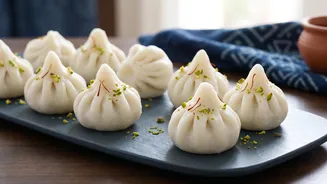
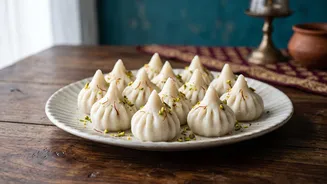
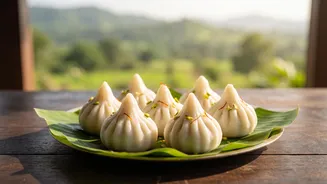
At the heart of Ganesh Chaturthi is the food. The festival kitchen becomes a hub of activity where tradition is served hot and sweet. The star of the show is the modak, a steamed dumpling filled with a sweet mixture of fresh coconut and jaggery. Making
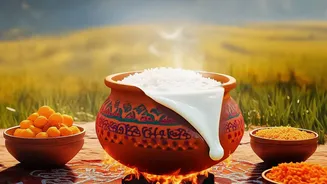
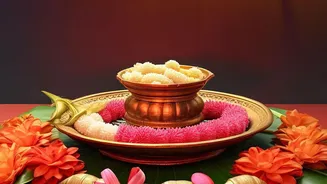
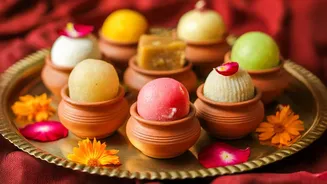
them is a ritual in itself, often a family affair where skills are passed from one generation to the next. But the feast doesn't end with modaks. In Maharashtra, plates are laden with Puran Poli, a sweet flatbread stuffed with lentils and jaggery. In the South, you might find Sundal, a savoury salad of spiced chickpeas, or Payasam, a creamy milk-based dessert. These dishes are not just for consumption; they are first offered to the deity as 'naivedya', making the act of cooking a form of worship. Many households prepare this festive food as sattvic, without onion or garlic, adhering to spiritual discipline. The shared prasad then strengthens bonds between family and community.
Cities on the Move
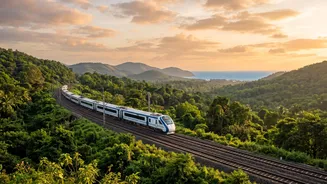
The festival also sets the entire country in motion. For many, it's a time for pilgrimage—not just to famous temples, but back to ancestral homes. This results in a massive surge in travel, with buses, trains, and flights to cities like Mumbai and Pune booked out well in advance. These cities become major hubs for festival tourism, drawing visitors from across India and the world who come to witness the grand celebrations. The influx of people transforms local infrastructure. Authorities issue special traffic advisories, closing roads and creating diversions to manage the massive processions. In Mumbai, key routes are shut down for hours to accommodate the journey of idols like the famous Lalbaugcha Raja to immersion points like Girgaon Chowpatty. Public transport becomes the lifeline of the city, with authorities often running extra services to handle the festival rush. It's a logistical ballet where devotion dictates the rhythm of urban life.
An Engine for the Everyday Economy
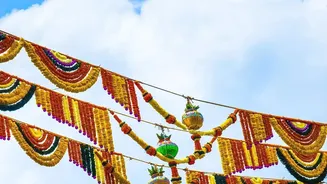
Beyond the spiritual and cultural, Ganesh Chaturthi is a significant economic driver. The festival is estimated to generate thousands of crores in economic activity, supporting countless small businesses and artisans. This economic ripple effect begins months earlier with the idol makers, who craft millions of Ganesha murtis from clay and other materials. Then there are the decorators, florists, and lighting technicians who turn community pandals into elaborate works of art. During the festival, street vendors, sweet shops, and restaurants see a massive spike in sales. The celebrations also create thousands of temporary jobs in event management, transportation, and security, providing a crucial income boost for many in the unorganized sector. From the artisan shaping clay in a small workshop to the vendor selling coconuts on a crowded street, the festival sustains livelihoods and fuels local economies.
The Heartbeat of Community Culture
Perhaps the most enduring impact of the festival is on community life. Historically, the festival was transformed by freedom fighter Bal Gangadhar Tilak from a private family affair into a grand public event to unite people across caste and community lines. That spirit of unity continues today. The local pandal is more than just a place of worship; it's a community centre. It hosts everything from health camps and blood donation drives to cultural programs, strengthening social bonds. The festival fosters a sense of shared identity and collective celebration. The final Visarjan procession, with its energetic music, dance, and chants, is the ultimate expression of this community spirit, as people from all walks of life come together to bid farewell to their beloved deity. It's a reminder that these festivals are the threads that weave the very fabric of India's cultural and social life.