




The Zero-Gravity Dining Problem
Eating in space is fundamentally different from a meal on Earth. In the microgravity environment of a spacecraft, everything that isn't secured floats. This poses a serious challenge for food. Crumbs from a chapati or a biscuit don't just fall to the floor;
they float in the air, risking inhalation by an astronaut or damage to sensitive equipment. Liquids don't stay in a cup, and even the senses are affected. Many astronauts report a diminished sense of taste and smell, similar to having a cold, because bodily fluids shift towards the head in the absence of gravity. This makes food seem bland, requiring space meals to be more flavourful than their earthly counterparts.
Enter the Defence Food Research Laboratory
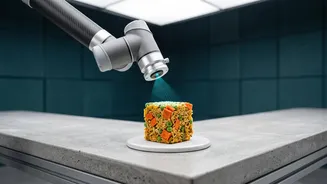
Crafting a menu that overcomes these hurdles while catering to the Indian palate is the responsibility of the Mysuru-based Defence Food Research Laboratory (DFRL). With extensive experience in creating food for soldiers in extreme conditions, DFRL was tasked with developing the menu for India's first human spaceflight mission. The goal was to provide familiar, comforting, and nutritionally complete meals. Scientists at DFRL have developed dozens of food items, ensuring they are lightweight, compact, and have a long shelf life without refrigeration. These foods must also be 'low-fragmentation'—meaning they shouldn't produce crumbs.
What's on the Gaganyaan Menu?
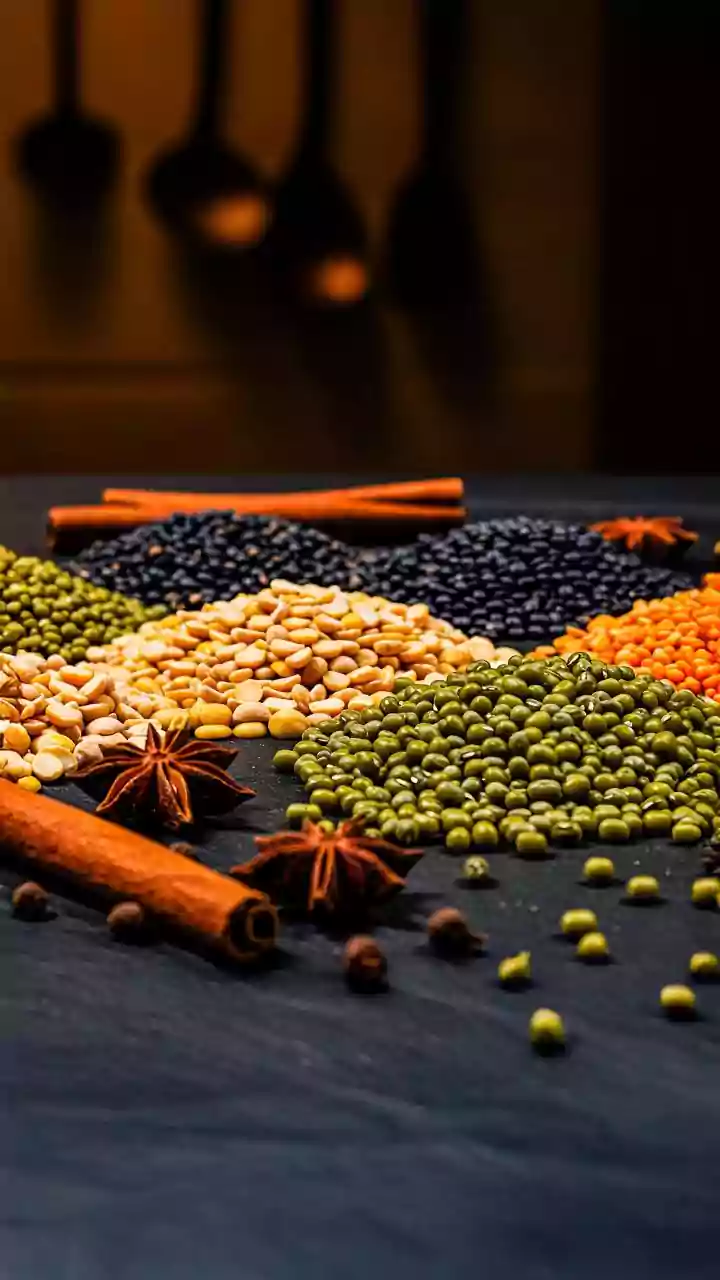
Gaganyaan astronauts will have a taste of home, with a menu that includes familiar favourites. The list features dishes like Chicken Biryani, Chicken Korma, Shahi Paneer, Dal Makhni, and Aloo Paratha. For breakfast and snacks, options like Idli-Sambar, Upma, and Veg Rolls are available. Even desserts are included, with Moong Dal Halwa and Suji Halwa making the cut. To satisfy the Indian craving for a bit of spice and tang, specially prepared Mango Pickle is also part of the menu. However, these aren't the dishes you'd find in a restaurant. They are specially processed and packed. For instance, idlis are dried using infrared radiation, and sambar is turned into a powder to be rehydrated in space.
Nutrition Engineered for Space
While taste is important for morale, nutrition is critical for health. Astronauts need a high-calorie diet, around 2,500 calories per day, to combat the physical demands of space travel and the muscle and bone density loss that occurs in microgravity. The Gaganyaan food is fortified with essential nutrients, including protein, carbohydrates, vitamins, and minerals. Sodium levels are carefully controlled, and fibre content is regulated to support gut health. The food is designed to be easy to digest and is often less spicy than typical Indian cuisine, with spice sachets provided as an option for those who want an extra kick.
From Fresh Thali to Processed Pouch
The biggest difference between an Earth meal and a space meal is the form. A traditional Indian thali is a vibrant spread of fresh textures, temperatures, and aromas. In contrast, the Gaganyaan meal is an exercise in food technology. Most dishes are either thermostabilized (heat-processed in a pouch) or freeze-dried. To eat, an astronaut will add water to a dehydrated food packet through a special valve and then heat the pouch in a food warmer. Liquids are consumed from special containers with straws to prevent spillage. The crunch of a fresh vegetable or the crispiness of a paratha is lost, replaced by a softer, more uniform texture designed for safety and ease of consumption in a zero-gravity world.