

The Allure of the Shoulder Season
For years, Indian travel calendars were dictated by summer holidays and the peak winter rush. But a smarter, more experience-driven traveller is emerging, one who understands the unique advantages of travelling between seasons. This period, from late
September to early November, offers a sweet spot where the monsoon has washed the landscape clean, leaving it breathtakingly lush, yet the winter tourist wave has yet to arrive. The benefits are clear: fewer crowds at popular spots, lower prices for flights and hotels, and more pleasant weather that is neither too hot nor too cold. This shift is also fuelled by a desire for more authentic experiences, moving away from jam-packed destinations to discover the quieter, more immersive side of India. Travellers are increasingly asking not just when to travel, but where they can best experience the season's unique charm.
Ziro Valley, Arunachal Pradesh: A Post-Monsoon Dream
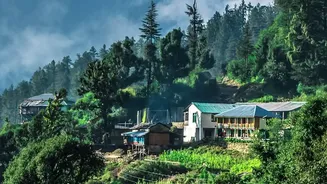
If you missed the famed Ziro Music Festival in September, October is the perfect time to discover why this valley is a rising star. Nestled in the hills of Arunachal Pradesh, Ziro is home to the Apa Tani tribe and a landscape of stunningly green paddy fields. After the rains, the valley is exceptionally verdant and the weather is ideal for exploring its gentle slopes and unique villages. It’s an offbeat destination that offers a slow, peaceful holiday away from the more performative hustle of mainstream hill stations. The journey here is part of the adventure, but the reward is a genuine connection with nature and a unique culture, making it a prime example of the new routes Indian holidaymakers are seeking.
The Western Ghats: Kerala's Emerald Heart
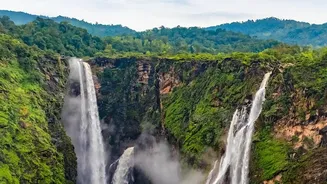
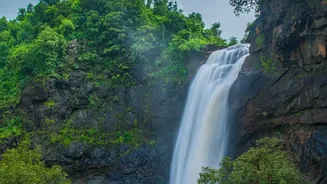
While destinations like Munnar and Wayanad are popular year-round, they possess a special magic right after the monsoon. In September and October, the tea estates look freshly scrubbed and painted in vibrant shades of emerald, the waterfalls are at their most powerful, and the air is crisp and clean. This period is ideal for trekking, with trails in places like Coorg and Kudremukh National Park in Karnataka offering stunning vistas of the lush Western Ghats. It’s a time for slow, scenic drives, stopping for chai by the roadside, and simply soaking in the dense, mist-covered shola forests. The crowds are thinner than in the peak winter months, allowing for a more serene and personal experience with nature.
Spiti Valley, Himachal Pradesh: A Final Window of Opportunity
For the adventurous, October offers one last chance to explore the stark, high-altitude desert of Spiti Valley before winter snows close the passes for months. While Spiti has grown in popularity, this shoulder season window provides clearer skies and a quieter atmosphere than the busy summer months. The landscapes, with their ancient monasteries like Key Monastery perched dramatically against barren mountains, are otherworldly. This route is for those seeking raw, dramatic beauty and a sense of true remoteness. It’s a challenging journey, but the reward is witnessing one of India’s most spectacular regions in a moment of calm before its deep winter slumber.
Orchha, Madhya Pradesh: History Without the Heat
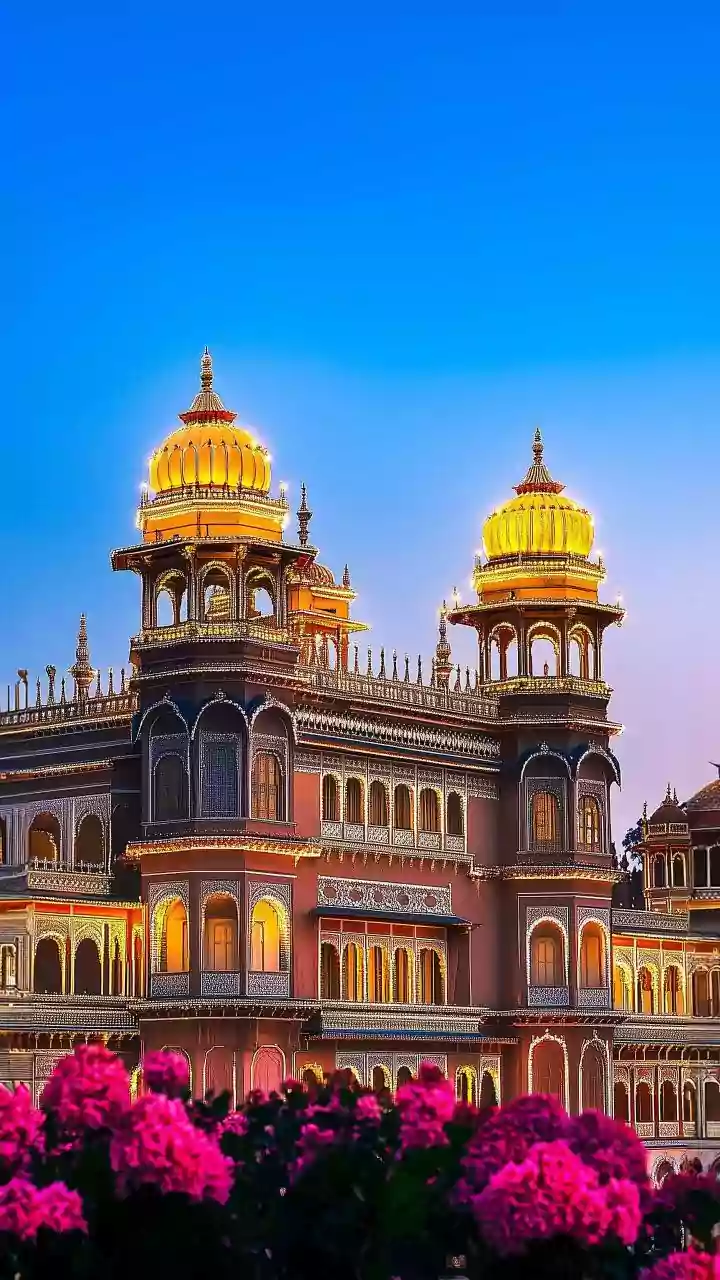
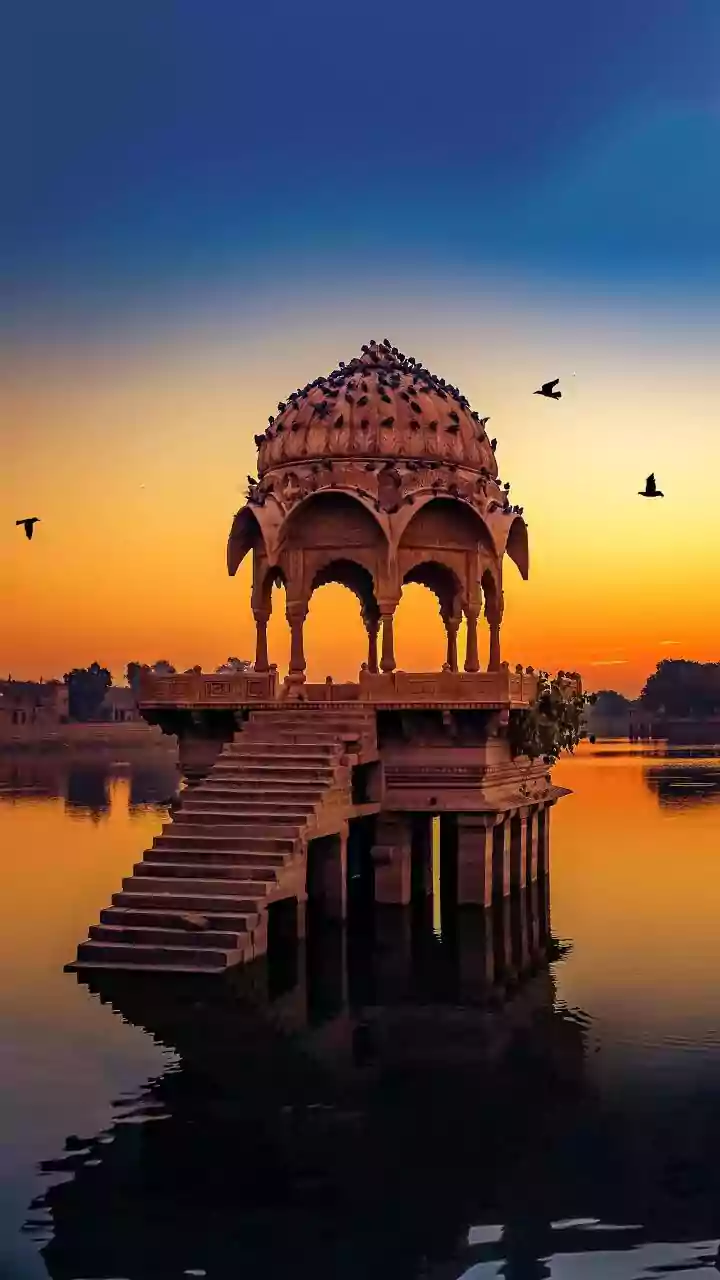
Often overlooked for the more famous cities of Rajasthan, the historical town of Orchha in Madhya Pradesh is a cultural treasure that shines in the post-monsoon season. The Betwa River, which flows past the town’s magnificent cenotaphs and palaces, is full and flowing, and the surrounding landscape has a green tint that softens the otherwise arid region. The weather in September and October is far more pleasant for exploring the intricate architecture of the Jahangir Mahal and the Raja Mahal than during the scorching summer or crowded winter. It represents a growing trend of exploring India's rich cultural heartland during these quieter, more comfortable months, offering a deep dive into history without the usual tourist crush.