


A Rebellion Against Fast Fashion
For many in Gen Z, the decision to upcycle a grandmother's saree is a quiet rebellion against the relentless cycle of fast fashion. This generation is increasingly aware of the environmental and ethical costs of mass-produced clothing, leading to a greater
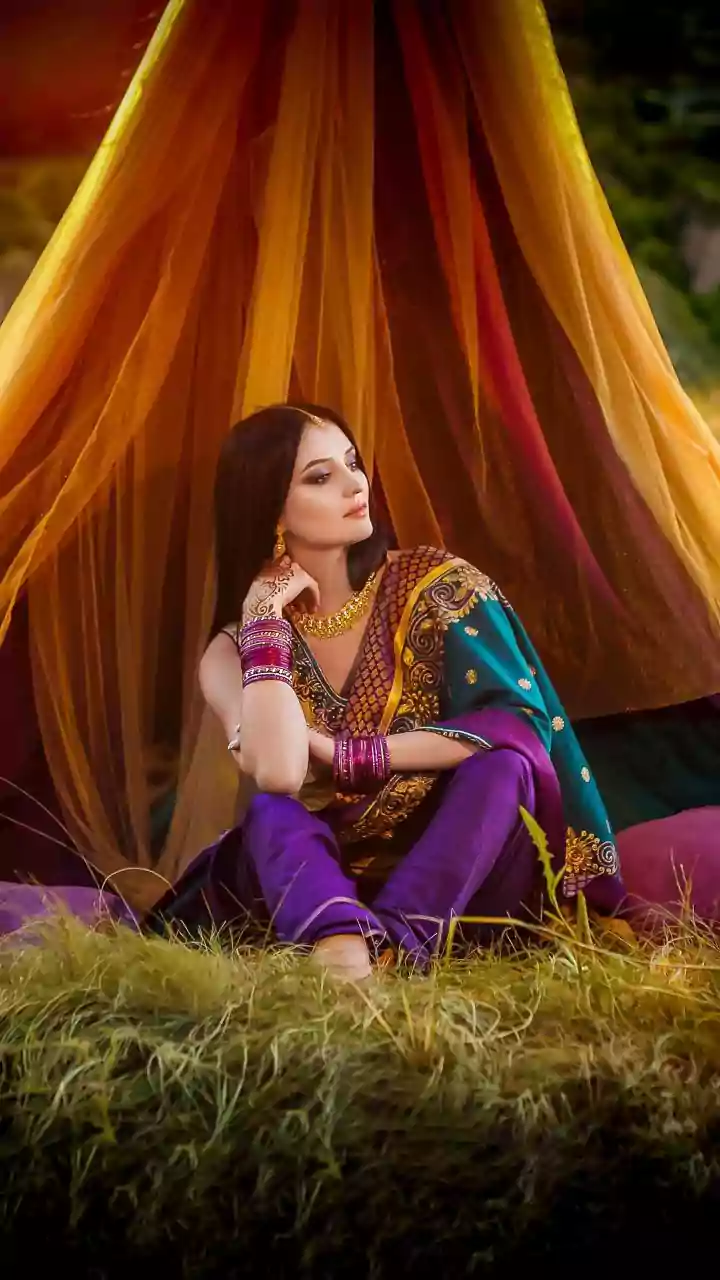
appreciation for sustainability. Upcycling, the practice of turning old or discarded materials into something new and valuable, aligns perfectly with this mindset. It’s a conscious choice to own something with a story, rather than a fleeting trend. This shift isn't just about being eco-friendly; it's about individuality. In a world of identical outfits, wearing a piece made from a vintage Banarasi or Kanjeevaram is a statement of personal style and heritage.
The Creative Transformation
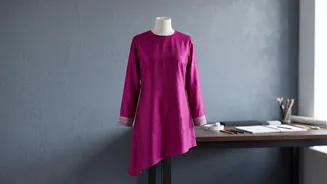
So how does a six-yard drape become a contemporary outfit? The possibilities are endless, and young designers are leading the charge with innovative ideas. Heavy silk sarees with intricate zari work are being deconstructed and reborn as structured co-ord sets, sharp blazers, and festive lehengas. Lighter fabrics like chiffon and georgette find new life as flowy maxi dresses, chic capes, or stylish kurtas. Brands like Lata Sita, founded by Meghna Nayak, and Bodements by Divya Saini have made a name for themselves by hunting down treasured heirlooms and reimagining them into contemporary silhouettes. The process is often collaborative, with clients bringing in their own family sarees, filled with sentimental value, to be transformed into a piece they can wear today.
Designers Weaving Past and Present
A growing number of Indian labels are championing this trend. Label Kumari, by Rashmi Varma, repurposes vintage sarees by darning them or adding new motifs, giving them a modern edge. Doodlage is another brand that gives old sarees a new life by upcycling them into unique, purposeful garments in collaboration with skilled artisans. Some designers focus on specific transformations, turning the rich pallu of a saree into the yoke of an Anarkali dress or using its decorative border to embellish a modern jacket. These designers aren't just tailors; they are storytellers, preserving the emotional and cultural history woven into the fabric while making it relevant for a new audience.
More Than Just an Outfit
Wearing a repurposed heirloom is a deeply personal experience. It's a tangible connection to one's family history—a way to wear a memory. For many Gen Z individuals, it’s a tribute to their mothers and grandmothers, celebrating their legacy in a way that feels authentic. This trend moves beyond mere aesthetics; it is about creating an emotional attachment to our clothes, fostering a sense of continuity between generations. By blending the timeless elegance of a traditional saree with the confident energy of modern streetwear, young Indians are crafting a fashion identity that is uniquely their own—one that honours the past while looking confidently towards the future. This movement shows that style and soul can, and should, go hand in hand.