



The End of the Itinerary
For years, travel was defined by a checklist approach: see the Eiffel Tower, visit the Colosseum, and get the photo to prove it. But for Gen Z and Millennial travellers, that model is losing its appeal. [13] This emerging cohort is intentionally moving
away from mass-tourism checklists, instead prioritizing authentic, local experiences that feel personal and memorable. [7] Reports show a clear trend toward what's being called "experience-first travel," where the quality of an experience trumps the quantity of sights seen. [3] In fact, a Kayak report from early 2026, based on billions of searches, noted that famous sites are receiving fewer searches, with around two-thirds of young travellers looking for new places that are "off their feeds." [8] It's less about where you go and more about the story you can tell when you get back.
Why Vibe is the New Destination
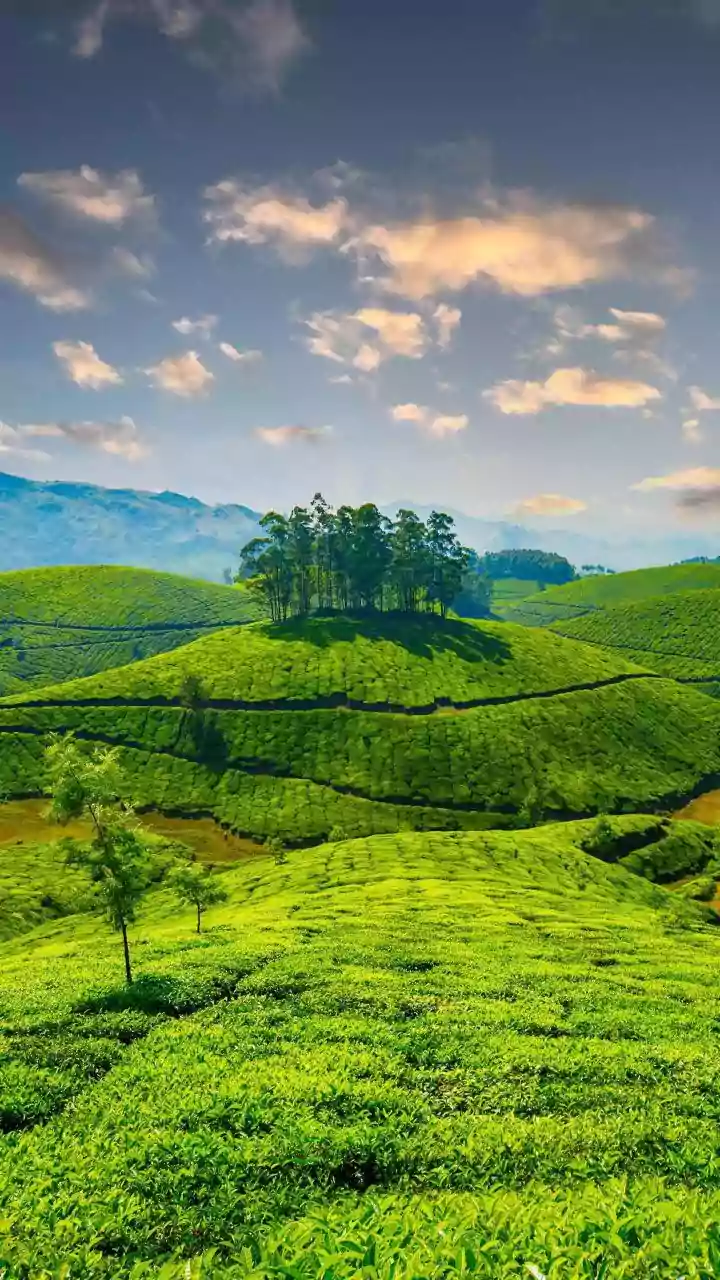
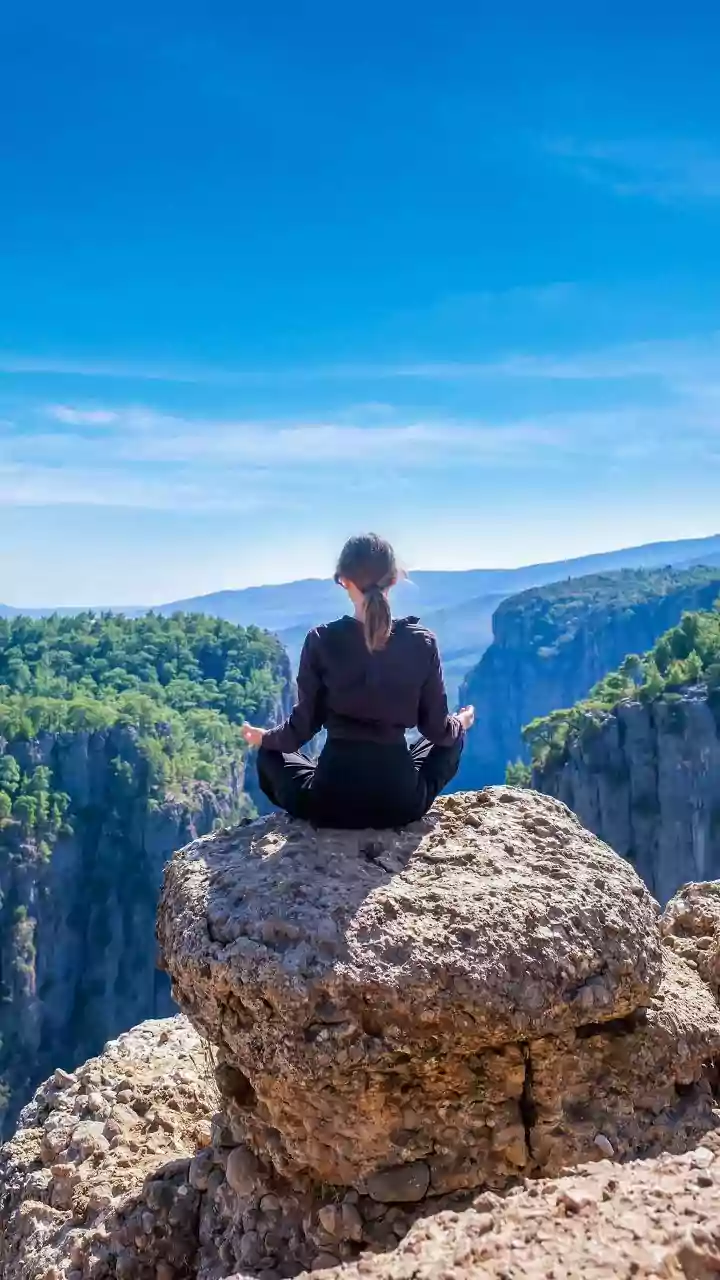
So, what's driving this shift? It's a rejection of the hyper-optimized, algorithm-driven life in favour of something more genuine. [5] Travel is increasingly seen as a form of self-care and a way to disconnect, with mental relaxation being a top priority for about 70% of young travellers. [8] This has given rise to "vibe-based" travel, where the feeling of a place is more important than its landmarks. [18] Instead of searching for cities, travellers are searching for emotions and moods. A 2026 travel report from Accor found that 25% of respondents now begin their travel searches with a vibe or feeling in mind. [18] Whether it's a quiet, restorative escape in a rural town or a trip built around learning a new skill like cooking or traditional crafts, the trip itself is becoming a form of self-expression. [16]
Tech-Powered Spontaneity
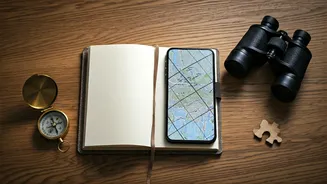
It might be tempting to see this as an anti-technology movement, but the opposite is true. This new era of flexible travel is powered by digital tools. Social media platforms like TikTok and Instagram are the primary source of inspiration for over 80% of young travellers, who use them to discover hidden gems and unique experiences. [2, 4] One study revealed that 40% of young people have booked a trip after seeing content on TikTok. [6] Beyond inspiration, technology enables spontaneity. AI is now a trusted tool for finding last-minute deals and personalized recommendations, with 72% of Gen Z travellers in the U.S. feeling confident using it for planning. [19] Rather than being map-less, the map has simply become digital, dynamic, and tailored to individual preferences in the moment.
From Sightseeing to 'Sight-Doing'
The shift is so pronounced that new terms are emerging to describe it. One is "sight-doing," which refers to actively participating in a destination's culture rather than passively observing it. [1, 3] This could mean taking a local cooking class, participating in a craft workshop, or learning a traditional dance. [16] A 2026 American Express report found that 79% of Millennial and Gen Z travellers are likely to seek out such local workshops. [1] Another trend is "lore chasing," where trips are planned around cultural narratives, history, and even myths, leading travellers to lesser-known heritage sites. [3] Even food has become a primary motivator, with "snackpacking" describing itineraries planned entirely around authentic local dishes and street food markets. [3]
What This Means for Travel's Future
This fundamental change in priorities is reshaping the entire travel industry. Hotels are offering more flexible bookings and wellness-focused amenities to cater to the desire for rest and relaxation. [20] Tour companies are moving away from large bus tours and creating smaller, more intimate experiences that promise genuine connection. [24] And entire destinations are being re-evaluated, with travellers increasingly opting for "destination dupes"—less crowded, more affordable alternatives to popular hotspots that offer a similar vibe. [9, 21] This quest for authenticity and meaning is not just a fleeting fad; it reflects a deeper change in how a generation wants to engage with the world. Travel is no longer just about going somewhere new; it's about coming back with a new perspective.