

Why Saffron Is So Delicate
Saffron's value comes from fragile chemical compounds. Crocin provides its vibrant colour, picrocrocin its unique taste, and safranal its distinct, hay-like aroma. These compounds are highly sensitive and can easily degrade, causing your expensive spice
to lose the very qualities you paid for. The goal of storage is simple: to slow down this natural degradation process as much as possible, protecting the threads from their primary enemies.
The Four Enemies of Saffron
To store saffron correctly, you must shield it from four environmental factors: light, heat, air, and moisture. Light, especially direct sunlight, can bleach the crocin, fading the saffron's colouring power. Heat causes the volatile safranal to evaporate, taking the aroma with it. Air introduces oxygen, which slowly oxidizes the threads, weakening them. Finally, moisture is perhaps the most dangerous foe; it can cause the threads to clump, encourage mould growth, and completely ruin the batch.
The Best Way to Store Saffron Threads
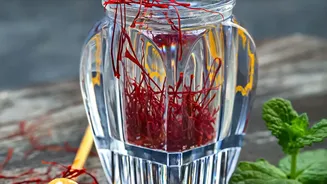
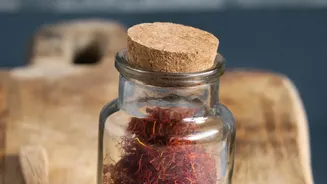
The ideal storage method is straightforward: keep your saffron in a small, airtight container in a cool, dark, and dry place. An opaque metal tin or a dark glass jar is an excellent choice. If you only have a clear glass jar, simply keep it inside a dark cupboard or its original box to shield it from light. A kitchen cabinet or pantry shelf away from the stove, oven, and direct sunlight is the perfect location. The closer the container size is to the amount of saffron, the less air will be trapped inside, further preserving freshness.
Should You Refrigerate or Freeze Saffron?
For most home kitchens in India, refrigeration is not necessary and is generally discouraged. The primary risk is condensation. Every time you take the cold container out into a warmer, more humid kitchen, moisture can form inside, damaging the delicate threads. A stable, room-temperature cupboard is a much better choice. Freezing is also not recommended for the same reason; the freeze-thaw cycle can introduce damaging moisture without adding any significant shelf life.
Common Storage Mistakes to Avoid
Many common practices can quickly degrade your saffron. Avoid keeping it in a clear jar on an open spice rack exposed to light. Do not store it on a shelf directly above your stove or near a kettle, where it will be exposed to constant heat and steam. Never handle the threads with wet hands or a damp spoon, as this introduces moisture. Also, it's best to store threads whole and grind only what you need just before use, as powdered saffron loses its potency much faster due to increased surface area exposure to air.
How Long Saffron Lasts and How to Tell if It's Still Good
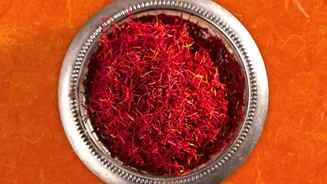
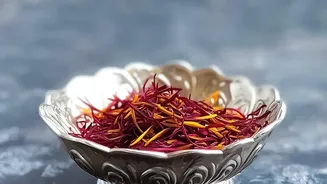
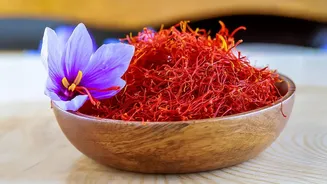
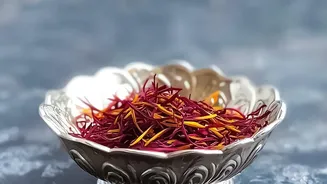
Properly stored whole saffron threads do not 'expire' in the way fresh food does, but they do lose potency over time. They will typically maintain peak quality for about two to three years. If you find an old jar, use your senses. Fresh saffron has a strong, honey-like, and slightly medicinal aroma. If it smells musty or has no scent at all, it has lost its power. Visually, the threads should be a vibrant, deep red. If they appear faded, orange, or brownish, their colouring strength has diminished. You can also perform a water test: good saffron will slowly release a golden colour into warm water while the threads themselves remain red. If you see any signs of mould or dampness, the saffron is unsafe and must be discarded.