




The Mid-Week Meal Prep Tragedy
You start the week with the best intentions, your fridge stocked with neatly packed containers of healthy meals. But by Tuesday, the crisp, leafy greens you so carefully washed and chopped have begun their descent into a soggy, unappetizing state. This
happens because raw greens have a high water content and contain active enzymes. Once harvested, these enzymes continue to work, breaking down cell walls, which leads to wilting, browning, and spoilage. When packed into a container, especially with other ingredients or dressing, the moisture has nowhere to go, accelerating the process and leaving you with a less-than-desirable lunch.
The Simple 'Cooked Green' Solution
The secret to defeating the sog is surprisingly simple: cook your greens before you store them. The term 'warm cooked green strategies' refers to the process of applying heat—through methods like blanching, steaming, or sautéing—before packing your greens away for the week. This isn't about storing them warm, which is a food safety risk. Rather, it’s about using heat as a preparation step. By briefly cooking hearty greens like kale, collards, chard, or even spinach, you can dramatically extend their life in your meal prep containers, ensuring they remain vibrant and delicious for days. Cooked greens can last for three to five days in the fridge, a significant improvement over their raw counterparts.
Why This Method Works Wonders
Cooking your greens before storing them offers several key advantages. The primary benefit is enzyme deactivation. A quick blast of heat, such as blanching in boiling water, halts the enzyme activity that causes greens to lose their color, texture, and flavor. This process helps preserve the vegetable's quality for much longer. Cooking also wilts the greens and forces them to release a significant amount of their water. By draining this excess liquid away before storing, you remove the main culprit behind soggy meal preps. As a bonus, cooking reduces the volume of the greens, making them much easier to pack into containers.
Your Weekly Green Prep Blueprint
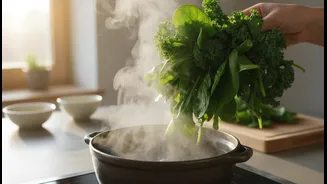
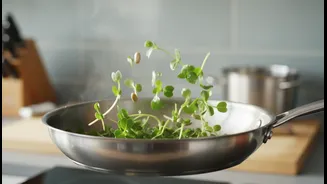
Ready to try it? Here is a simple plan for prepping your greens for the week. First, select sturdy greens like kale, Swiss chard, collard greens, or mustard greens, which hold up best to cooking. After washing them thoroughly, chop them into your desired size.Next, choose your cooking method. Blanching is one of the most effective options: submerge the greens in boiling water for two to three minutes, then immediately transfer them to an ice water bath to stop the cooking process. This locks in their bright color. Alternatively, you can quickly sauté them in a pan with a little olive oil and garlic for a minute or two until they wilt.The final and most critical step for food safety is to cool the cooked greens properly before refrigerating. Spread them on a tray to cool quickly at room temperature, or follow the two-stage cooling method recommended by food safety experts: cool from 135°F to 70°F within two hours, and then to 41°F or below in the next four hours.
Smart Storage for Lasting Freshness
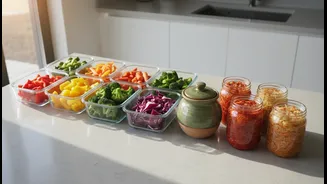
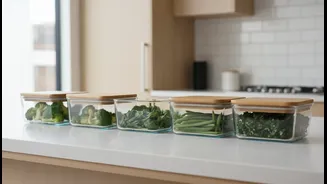
Once your cooked greens are completely cool, proper storage is essential to maintain their quality. Gently pat them dry with a paper towel to remove any remaining surface moisture. Excess water can still lead to sliminess, even after cooking. Transfer the greens to airtight containers. Glass containers are a great option as they don’t absorb odors or stains. For an extra layer of protection, you can place a folded paper towel on the bottom or top of the container to absorb any condensation that might form. Store the containers in the refrigerator and aim to use your prepped greens within three to five days for the best taste and texture.
Putting Your Prepped Greens to Use
Having a container of ready-to-go cooked greens makes healthy eating incredibly convenient. You can easily add a handful to almost any dish to boost its nutritional value. Stir them into scrambled eggs or an omelet for a power-packed breakfast. Mix them into pasta sauces, soups, or stews for added fiber and vitamins. They are also a perfect addition to grain bowls, stir-fries, and quesadillas. You can even blend them into a smoothie for a seamless nutrient boost. This strategy not only saves you from sad, soggy lunches but also makes incorporating healthy vegetables into your daily diet almost effortless.