

From Urban Glow to a Celestial Show
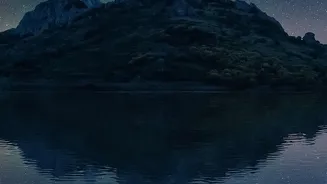
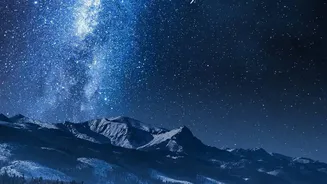
For many living in India's bustling cities, the night sky is a distant memory, a blanket of grey haze where constellations used to be. This growing disconnect is fuelling a desire for authentic natural experiences, giving rise to 'dark-sky tourism' or 'astrotourism'.
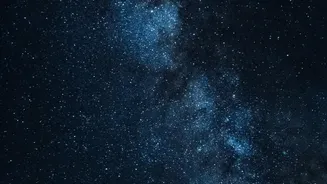
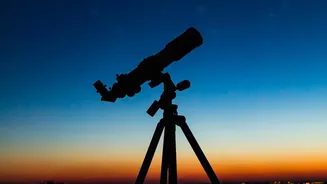
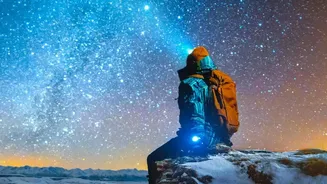
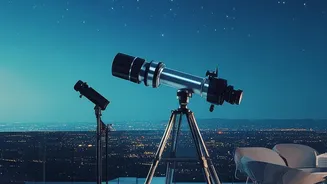
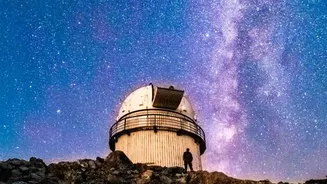
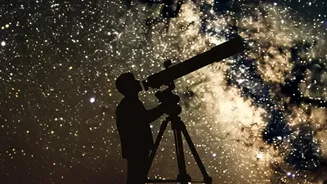
It's a travel niche centered on finding pristine, unpolluted skies to observe celestial events, from the Milky Way's majestic sweep to meteor showers and distant planets. Once the domain of amateur astronomers, stargazing is now a mainstream travel goal, with tour operators and destinations noting a significant surge in demand. Travellers are increasingly willing to journey to remote locations, not for monuments or museums, but for the simple, profound experience of a star-filled sky.
Why Winter Is the Magic Season
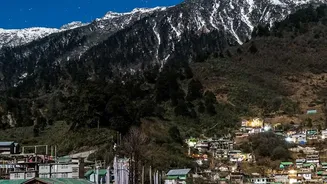
While stargazing can be a year-round activity, winter offers the ultimate celestial theatre, especially in high-altitude regions like the Himalayas. The cold, dry air of winter contains significantly less moisture and atmospheric haze, resulting in exceptionally clear and stable skies. This clarity makes stars appear brighter and sharper. Furthermore, the longer nights of winter provide an extended canvas for observation, allowing for more leisurely and immersive stargazing sessions. These months bring out some of the night sky's most brilliant constellations, including Orion the Hunter and Taurus, which dominate the winter celestial sphere. For places like Spiti, Ladakh, and parts of Uttarakhand, the harsh winter weather deters mainstream tourists, creating a peaceful, crowd-free environment perfect for an uninterrupted cosmic show.
The Homestay Advantage
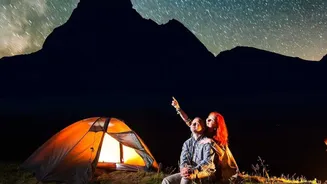
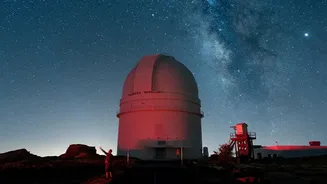
This is where mountain homestays find their unique advantage. Unlike large hotels often clustered in town centres, homestays are typically located in remote villages where light pollution is naturally minimal. This proximity to true dark skies makes them ideal bases for astrotourists. They offer more than just a bed; they provide an authentic, community-based experience. Hosts often share local knowledge, and some are even trained in basic astronomy to guide their guests. Initiatives like Astrostays actively partner with local communities in places like Ladakh to develop these experiences, turning ancestral homes into celestial observatories. This model is a perfect fit for the modern traveller who seeks not just a view, but a connection to the place and its people. From earthen rooms in Manali with dedicated stargazing windows to family-run homes in Hanle, India's first Dark Sky Reserve, these stays offer a front-row seat to the cosmos.
A Win-Win for Travellers and Communities
The rise of dark-sky tourism is proving to be a powerful engine for sustainable development in remote mountain regions. It provides a vital alternative source of income for communities, particularly during the harsh winter off-season when agricultural and other tourism activities slow down. By bringing visitors to areas that fall outside typical tourist hotspots, astrotourism helps distribute economic benefits more equitably. It creates local employment, from trained astronomy guides to the hosts themselves, and encourages the preservation of both the natural environment and local culture. For example, after Hanle was designated as a Dark Sky Reserve, visitor numbers climbed dramatically, bringing new economic life to the high-altitude village. This trend allows travellers to have a profound experience while directly supporting the resilience of local economies.