








Registration and Medical Fitness
The first step for any pilgrim is mandatory registration. For the 2026 Yatra, which runs from July 3rd to August 28th, registration can be done online via the Shri Amarnathji Shrine Board (SASB) website or offline at designated bank branches. A crucial
requirement is the Compulsory Health Certificate (CHC) from an SASB-authorized doctor, issued after a specific date in April 2026. This is non-negotiable, as the trek reaches altitudes above 13,000 feet where physical fitness is paramount. Ensure your application, a valid ID, and photos are ready. Due to high demand, register early as slots are first-come, first-served.
Choosing Your Path: Pahalgam vs. Baltal
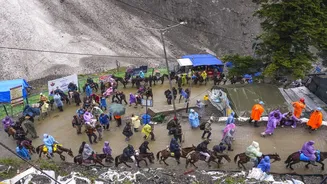
Pilgrims have two main trekking routes to the Holy Cave. The traditional Pahalgam route is longer, spanning 36-48 km and taking 3-5 days. It’s a more gradual ascent, offering stunning scenery and is generally recommended for first-timers and those who want a more immersive experience. The Baltal route is much shorter at about 14 km but is significantly steeper and more challenging, typically completed in 1-2 days. This path is preferred by those short on time and with high physical fitness. Many pilgrims choose to ascend via one route and descend via the other. Helicopter services are also available for both routes to Panchtarni, from where the cave is a few kilometers away.
Physical and Mental Preparation
The Yatra is a test of endurance. Start preparing at least a month in advance. Incorporate daily brisk walks or jogs of 4-5 km to build stamina. Breathing exercises like pranayama are highly recommended to help your body become more efficient with oxygen at high altitudes. Mentally, prepare for a journey that is as challenging as it is rewarding. Understand the risks of Acute Mountain Sickness (AMS) and commit to a slow, steady pace. Remember that patience and perseverance are as important as physical strength on this pilgrimage.
Essential Packing and Gear
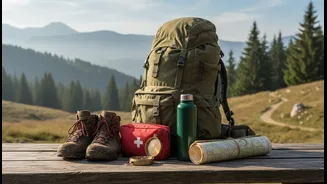
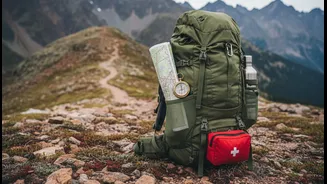
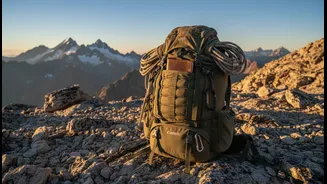
Packing smart is crucial. Layering is key due to unpredictable weather. Your backpack should include thermal wear, woolen sweaters, a waterproof jacket, and a rain poncho. Sturdy, waterproof trekking shoes with good grip are non-negotiable. Also pack woolen socks, gloves, and a cap. Carry a small first-aid kit with your personal medications, painkillers, bandages, and medicines for AMS like Diamox (after consulting a doctor). Sunscreen, lip balm, and sunglasses are vital to protect against strong UV rays at high altitude. A power bank, torch, and a reusable water bottle are also essential.
Acclimatisation and Safety on the Trail
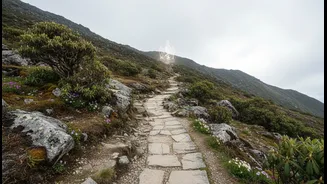
Proper acclimatisation is the best way to prevent AMS. The golden rule is 'climb high, sleep low,' which means ascending slowly and allowing your body to adjust. Stay well-hydrated by drinking around 5 litres of water daily, and consume plenty of carbohydrates for energy. Avoid alcohol, caffeine, and smoking. Listen to your body; if you experience symptoms like headaches, dizziness, or nausea, rest immediately and inform the nearest medical camp. Always carry your Yatra permit and ID. Walk on the inside of the trail, away from the steep edges, and give way to ponies and porters.