





Understand the 'Danger Zone'
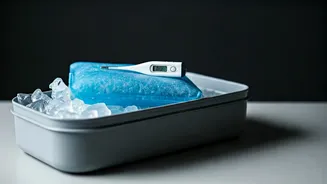
The most critical concept in food safety is the 'Temperature Danger Zone'. According to the USDA and other health authorities, this is the range between 4°C and 60°C where harmful bacteria can multiply rapidly. Perishable foods—including meats, dairy,
cooked rice, and cut fruits—should not be left in this temperature range for more than two hours. If the ambient temperature is above 32°C, that safe window shrinks to just one hour. Since a lunchbox can sit for several hours before being eaten, keeping food out of this danger zone is the primary goal of safe lunch packing. One study found that even lunches with ice packs could reach unsafe temperatures, highlighting the need for vigilance.
Invest in the Right Gear
Your first line of defense is a good quality, insulated lunch bag. These bags are far superior to paper or plastic bags at maintaining temperature. For cold foods, you'll need at least one cold source, though experts at the USDA recommend using two for better results. This can be a combination of a commercial freezer gel pack and a frozen water bottle or juice box. The frozen drink will thaw by lunchtime, providing a cold beverage while also helping to keep the food safe. For hot foods, a quality vacuum-insulated thermos is essential. These are designed to keep foods like soups, stews, or chili steaming hot for hours.
Keeping Cold Foods Cold
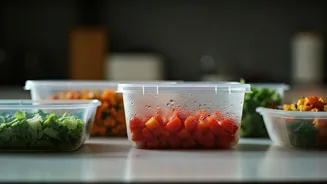
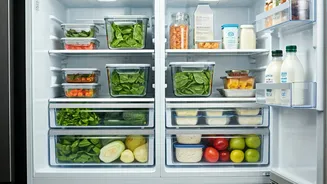
When packing perishable cold items, always start with food that is already chilled. Packing foods straight from the refrigerator gives them a head start. For maximum safety, pack the most perishable items, like a turkey sandwich or yogurt, directly against the ice packs. If you prepare lunch the night before, store the entire packed lunchbox in the refrigerator overnight. This ensures everything starts as cold as possible. Remember to always begin with clean hands and sanitized surfaces to prevent cross-contamination. Also, wash reusable containers and lunch bags daily with hot, soapy water.
Keeping Hot Foods Hot
A common mistake when using a thermos is putting hot food into a room-temperature container. To keep food safely above 60°C, you must preheat your thermos. Fill the thermos with boiling water, seal the lid, and let it stand for five to ten minutes. While it's heating, bring your food to a piping hot temperature (at or above 74°C). Empty the water from the thermos and immediately add the hot food, filling it as much as possible to reduce air space, which can cause heat loss. Seal the lid tightly and instruct your child not to open it until lunchtime to retain the heat.
Smarter Food Choices for Warm Days
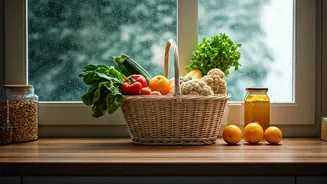
If you are concerned about maintaining temperature, especially on very hot days or if refrigeration isn't available, choosing shelf-stable foods is a wise strategy. These foods don't require refrigeration to stay safe. Good options include whole fruits (like apples and bananas), vegetables, hard cheeses, peanut butter sandwiches, crackers, nuts, seeds, and unopened single-serving containers of applesauce or fruit cups. Canned meats and fish are also safe until opened. While these items are safer, it's still best to keep them out of direct sunlight to maintain their quality and taste.