

The Hidden Plastics on Your Countertop
Microplastics are tiny plastic particles less than five millimetres in size, and they are turning up in unexpected places, including our food. While much attention has been on environmental contamination, a growing body of research shows that our own
kitchens are a significant source of exposure. Everyday items like plastic cutting boards, non-stick pans, and food storage containers can shed millions of these particles directly into our meals. Activities as simple as chopping vegetables or microwaving leftovers can accelerate this process, making our food preparation techniques a critical focus for those looking to minimise their intake.
Rethink Your Cutting Board
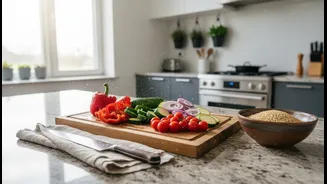
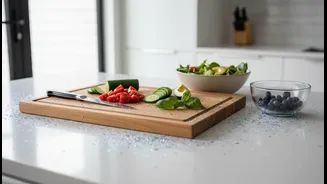
That plastic chopping board might be a bigger source of microplastics than you think. Studies have shown that chopping on plastic boards, especially with harder vegetables, can release tens of millions of microplastic particles annually into a person's diet. The type of plastic matters, with polypropylene boards potentially releasing more particles than polyethylene ones. Over time, the grooves and scratches from knives create more surface area for particles to break off and mix with your food. A simple and effective switch is to opt for wooden or bamboo cutting boards. These natural materials do not shed plastics and can be a durable, safer alternative for your daily food prep.
Choose Your Cookware Wisely
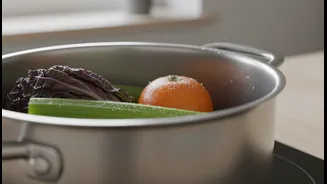
Non-stick cookware, often coated with polytetrafluoroethylene (PTFE), has come under scrutiny. When these pans are scratched or overheated, the coating can degrade, releasing thousands or even millions of micro- and nanoplastic particles into your food. Some studies suggest that a single crack in a non-stick pan can release a significant number of particles. Safer alternatives include cookware made from stainless steel, cast iron, glass, or ceramic. These materials are durable, don't contain plastic coatings, and won't leach particles when heated, making them a healthier choice for frying, sautéing, and searing.
Mind Your Food Storage and Reheating
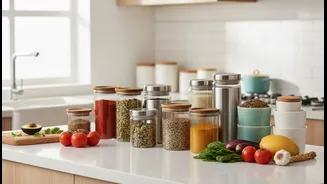
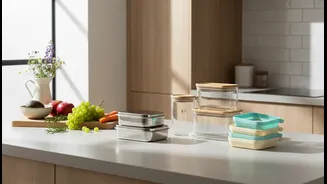
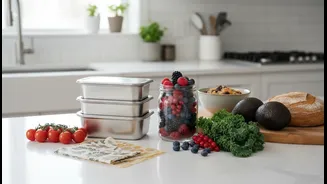
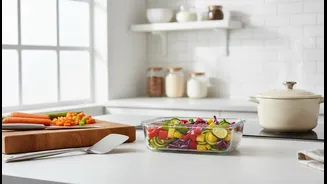
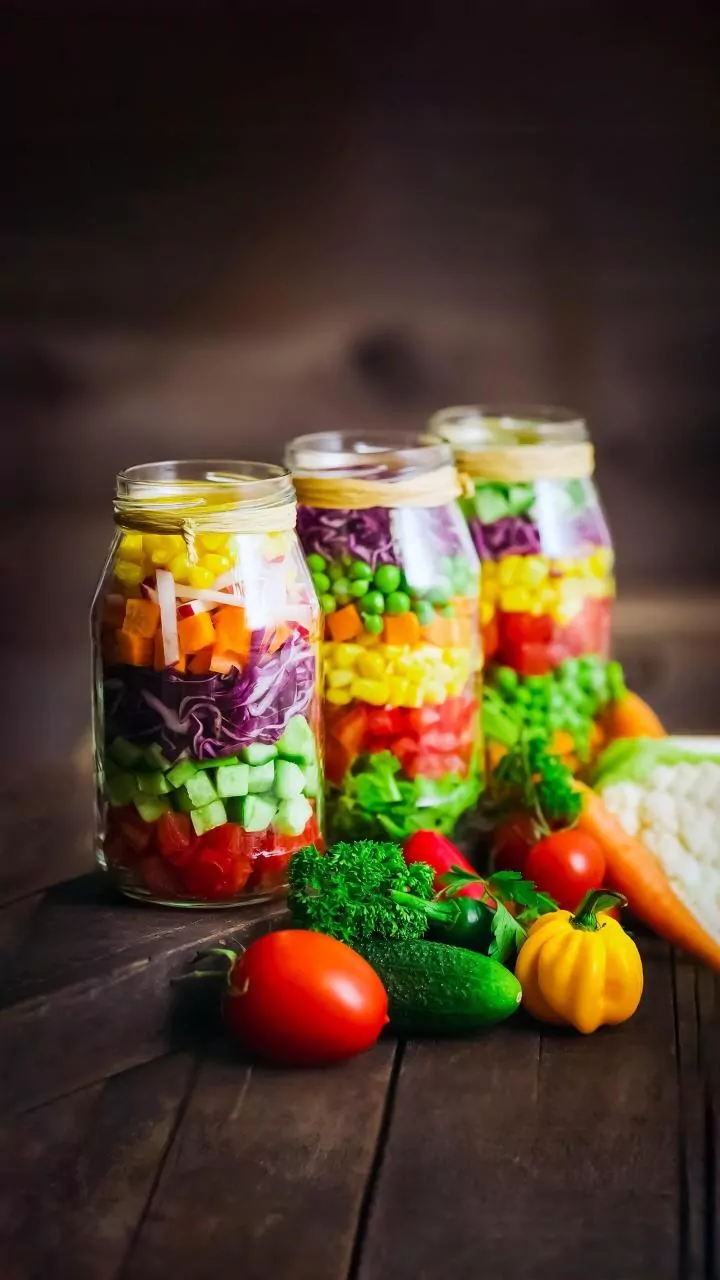
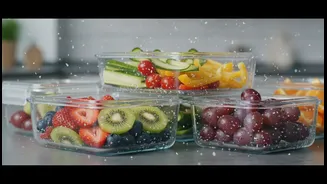
How you store and reheat your food plays a crucial role. Storing food in plastic containers, especially when the food is hot, acidic, or fatty, can cause microplastics and chemicals to leach out. The effect is dramatically amplified when you microwave food in plastic. Research has shown that microwaving can release millions of microplastics and billions of nanoplastics from a container into your meal, even if the container is labelled "microwave-safe." The safer practice is to transfer food to glass or ceramic containers before reheating. For storage, glass jars and stainless steel containers are excellent alternatives that don't pose the same risk.
Small Swaps for a Lower-Plastic Kitchen
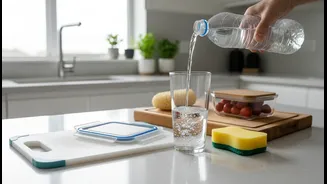
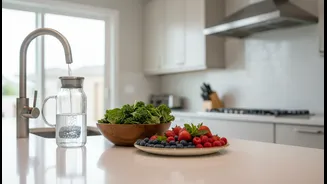
Beyond the big three of cutting boards, cookware, and containers, other small changes can make a difference. Avoid using plastic utensils, like spatulas and spoons, with hot food, as heat can cause them to degrade; opt for wood, bamboo, or stainless steel instead. Some black plastic utensils are particularly concerning as they can be made from recycled electronics, potentially containing flame retardants. Even plastic sponges can shed particles, so consider natural alternatives like loofah, cellulose, or bamboo brushes for washing up. Finally, since bottled water can contain significantly more microplastics than tap water, switching to filtered tap water can be another impactful change.