








A Tale of Two Methods
In the quest for better health, weight loss is often a primary goal. For years, diet and exercise have been the cornerstones of this effort. Now, a new class of medications, known as GLP-1 agonists (like liraglutide and semaglutide), has entered the scene,
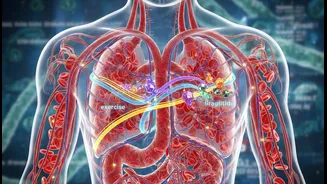
offering powerful results. However, recent research from the University of Copenhagen highlights a critical distinction: losing weight via exercise and losing it via medication are not the same when it comes to the health of your blood vessels. The study found that while both approaches can successfully help maintain weight loss, only exercise provides significant improvements to vascular health. This suggests that what is happening inside your arteries may be more important than the number on the bathroom scale.
How Exercise Protects Your Arteries
When you engage in physical activity, your body responds in ways that go far beyond burning calories. Exercise prompts blood vessels to become more flexible and efficient. The Danish study specifically looked at key markers of vascular health after participants had already lost a significant amount of weight. The groups that incorporated exercise, either alone or with medication, showed a notable 6-7% reduction in the thickness of their carotid artery walls. A thicker artery wall is a known risk factor for atherosclerosis, which can lead to blood clots, heart attacks, and strokes. Furthermore, exercise was found to lower levels of inflammation in the body, another key driver of cardiovascular disease. These benefits were seen with just 2.5 hours of moderate activity per week, like spinning or circuit training.
The Medication-Only Path
The weight-loss medications studied, specifically the GLP-1 agonist liraglutide, were effective at helping people maintain their weight loss. These drugs work by mimicking a gut hormone that signals fullness to the brain, reduces appetite, and helps control blood sugar. Previous large-scale studies have shown that some of these medications can reduce the risk of major adverse cardiovascular events like heart attack and stroke, particularly in people with established disease. However, in this new study focused on vascular health markers in people without pre-existing cardiovascular disease, medication alone did not deliver the same protective effects seen with exercise. The group that only took liraglutide showed no significant improvement in artery wall thickness or key inflammatory markers compared to the placebo group.
The Key Difference: It's Not Just About Weight
The study's main takeaway is that the benefits of exercise on the vascular system seem to be independent of weight loss itself. "Medication can help maintain weight loss, but exercise provides additional health benefits that we do not see with medication alone," stated Rasmus Sandsdal, one of the study's authors. Essentially, while the medication helped prevent weight regain, it did not replicate the direct, positive stress that exercise puts on the cardiovascular system, which is what stimulates arteries to become healthier and inflammation to decrease. This confirms that physical activity is not just a tool for weight management but a crucial process for maintaining the fundamental health of your heart and blood vessels.
What This Means For You
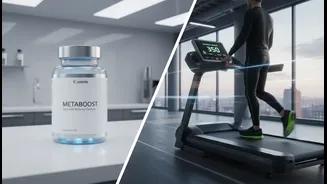
This research does not suggest that weight-loss medications are bad or ineffective. For many people, especially those living with severe obesity, these drugs can be a transformative tool that makes starting and maintaining a healthy lifestyle, including exercise, more achievable. The findings simply reinforce a long-held truth: there is no substitute for physical activity. The combination of exercise and medication actually produced the best results in terms of further weight loss and improvements in some vascular function markers. Therefore, the ideal approach may be to view these medications not as a replacement for exercise, but as a powerful partner to it. They can help with the weight, while exercise directly conditions the heart and arteries for long-term health.