






The Hidden Cost of Celebration
For generations, the culmination of Ganesh Chaturthi has been the visarjan, the immersion of Ganesha idols in water bodies. This ritual symbolises the Lord's return to his celestial abode. However, the widespread use of idols made from Plaster of Paris
(PoP) has cast a shadow on the celebration. PoP, or calcium sulphate hemihydrate, is not biodegradable and dissolves slowly over months. When immersed, these idols release harmful chemicals and heavy metals like lead, mercury, and cadmium from the synthetic paints used for decoration. This toxic mix pollutes rivers and lakes, increases water acidity, reduces oxygen levels, and poses a grave threat to aquatic life and the entire ecosystem. The practice has strayed far from its origins, where a simple clay figure would naturally return to the earth it came from.
The Rise of the Green Ganesha
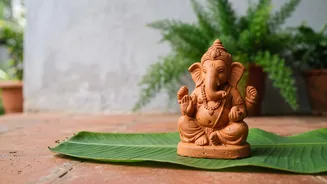
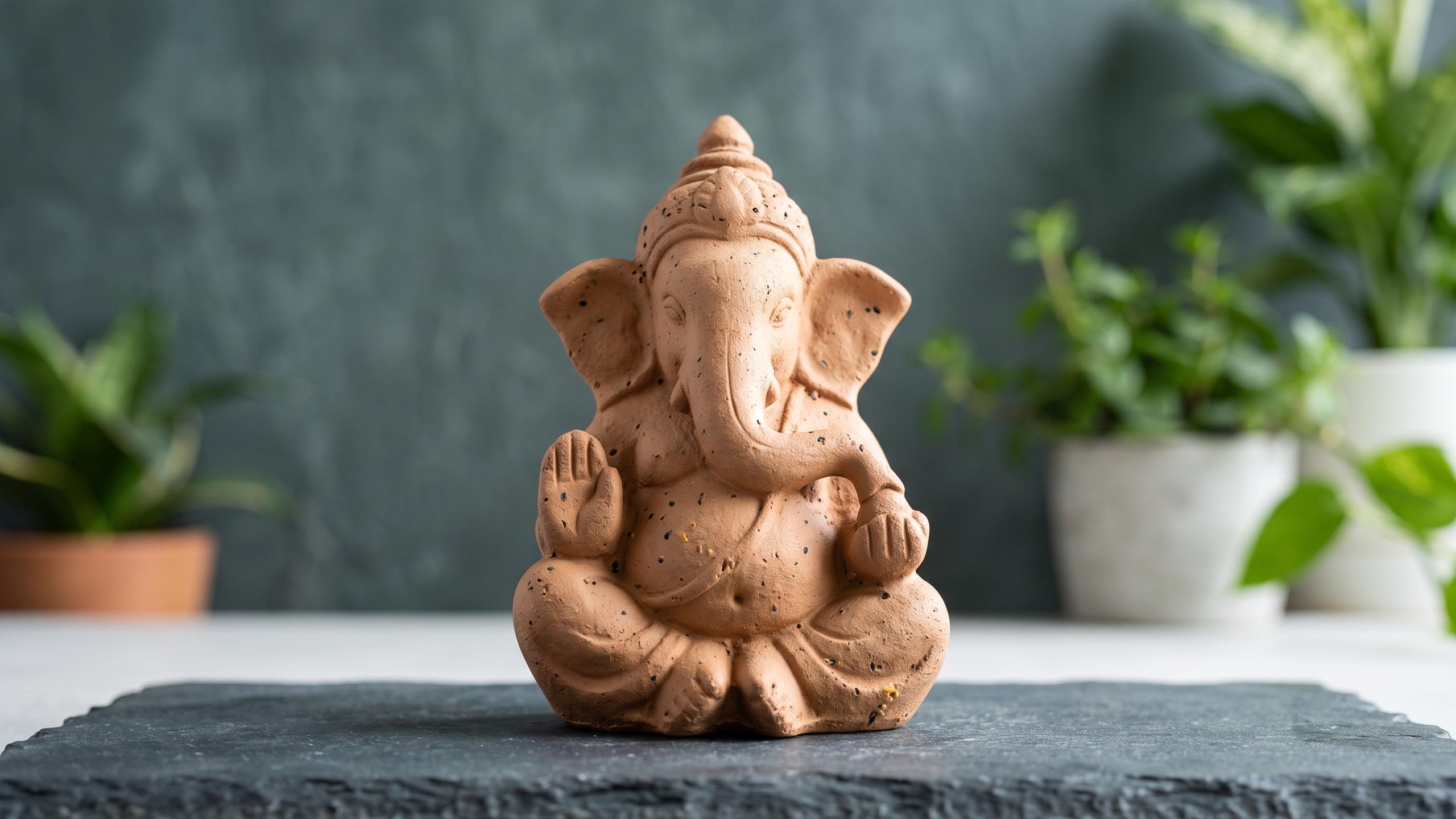
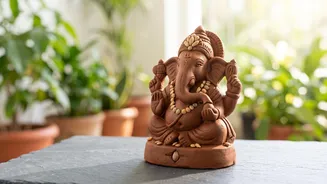
In response to this growing environmental concern, a powerful movement towards eco-friendly celebrations has emerged. Artisans and devotees are increasingly embracing idols made from natural, biodegradable materials like shadu maati (natural clay), paper mache, and even cow dung. These materials dissolve harmlessly in water, leaving no toxic residue. Among these green alternatives, one idea has captured the imagination of many: the seed-embedded Ganesha. These idols are crafted from natural clay or a mix of organic fertilisers and soil, with plant seeds hidden inside. The colours used are also natural, derived from ingredients like turmeric, henna, and beetroot, ensuring the entire idol is safe for the environment.
A Ritual Reimagined: Immersion Becomes Germination
The most beautiful aspect of a seed Ganesha is how it transforms the visarjan ritual. Instead of contributing to the pollution of public water bodies, the farewell to Ganesha becomes a nurturing act performed at home. Devotees are encouraged to perform the immersion in a bucket of water or directly in a large pot filled with soil. When watered, the clay idol dissolves over a few hours or days, releasing the embedded seeds into the soil. With regular watering, these seeds—often of auspicious plants like tulsi or marigold, or even vegetables—sprout into new life. The ritual is no longer about an end but a new beginning.
More Than an Idol: A Symbol of Renewal
Choosing a seed Ganesha is more than just an eco-friendly decision; it's a profound symbolic act. The festival, which celebrates the remover of obstacles and the lord of new beginnings, becomes a living lesson in the cycle of creation and renewal. The idol that was worshipped with devotion doesn't just disappear; it transforms into a plant that continues to grow, purify the air, and bring positive energy to the home. This practice beautifully merges faith with a tangible commitment to protecting the planet. It teaches children and families about sustainability in a way that is deeply connected to their cultural values, turning the entire festival into a pledge for a greener future. Many local artisans and communities are now actively involved in making and promoting these idols, which also helps support traditional craftsmanship.