




Why Portion Size is Crucial
Fruits are nature's candy for a reason; they contain natural sugars. While these are healthier than processed sugars, consuming them in very large quantities can still lead to an excessive calorie and sugar intake. This can affect blood sugar levels and,
over time, contribute to weight gain. The goal of a balanced diet is to get a variety of nutrients without overconsuming any single food group. Research shows that when people are served larger portions, they tend to eat more, so being mindful of how much fruit you put on your plate is a simple step towards better health. A serving is a measured amount, while a portion is what you choose to eat. Aligning your portion with a recommended serving size is the key.
Guava (Amrud)
This humble winter favourite is a nutritional powerhouse. Guavas are exceptionally high in Vitamin C—containing even more than oranges—which is vital for boosting immunity during the cold season. They are also an excellent source of dietary fibre, which aids digestion and helps prevent constipation. The combination of high fibre and a low glycemic index makes guava a great choice for those managing blood sugar levels. Its potassium content also supports heart health by helping to regulate blood pressure.Smart Portion: One medium-sized guava (around 150-200g) is a perfect daily serving. Eating 3-4 at once could lead to bloating due to its high fibre and fructose content.
Indian Gooseberry (Amla)
Amla is a true superfood, celebrated in Ayurveda for centuries. It has an incredibly high concentration of Vitamin C, which is more easily absorbed by the body than synthetic supplements. This potent antioxidant content helps fight off infections and reduces inflammation. Amla is also rich in fibre and has very few calories, making it excellent for weight management. It supports everything from eye health to digestion.Smart Portion: Due to its potent and sour taste, a little goes a long way. One or two small amla fruits per day are sufficient to reap its benefits. A daily intake of 75-90 mg is often recommended for adults, and a single amla can provide many times that amount.
Pomegranate (Anar)
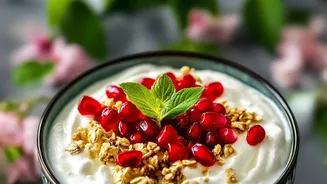
The jewel-like seeds, or arils, of the pomegranate are packed with powerful antioxidants, particularly punicalagins, which contribute to heart health and reduce inflammation. This fruit is a good source of Vitamin C, Vitamin K, and fibre. Studies suggest that pomegranates may help improve memory and protect joints from damage. The combination of nutrients supports overall immunity and digestive wellness.Smart Portion: A standard serving is about half a cup of arils (seeds). While it's healthy, be mindful that pomegranates contain natural sugars. Limiting yourself to one serving a day helps manage sugar intake effectively.
Oranges (Santra)
The quintessential winter fruit, oranges are famous for their high Vitamin C content, which is crucial for a strong immune system. The Indian 'santra' is easy to peel and makes for a convenient and hydrating snack. Besides Vitamin C, oranges provide dietary fibre (especially when eaten whole rather than juiced), folate, and potassium, which supports heart health. The antioxidants in oranges also contribute to healthy, glowing skin by aiding collagen production.Smart Portion: One medium-sized orange is a great serving size. Eating the whole fruit provides more fibre and is more filling than drinking a glass of juice, which can be a concentrated source of sugar.
Custard Apple (Sitaphal)
Known for its creamy, sweet pulp, Sitaphal is a delicious winter treat. It's a good source of energy from natural sugars and is rich in Vitamin B6, which is important for brain health and mood regulation. It also contains Vitamin C for immunity and minerals like potassium and magnesium that support heart function. Its fibre content promotes healthy digestion and can help prevent constipation, a common issue in winter.Smart Portion: Because it's quite sweet and energy-dense, moderation is key. Half a medium fruit or a small bowl of deseeded pulp (around 100-150g) is a reasonable portion. People managing their blood sugar should be especially mindful of the portion size.