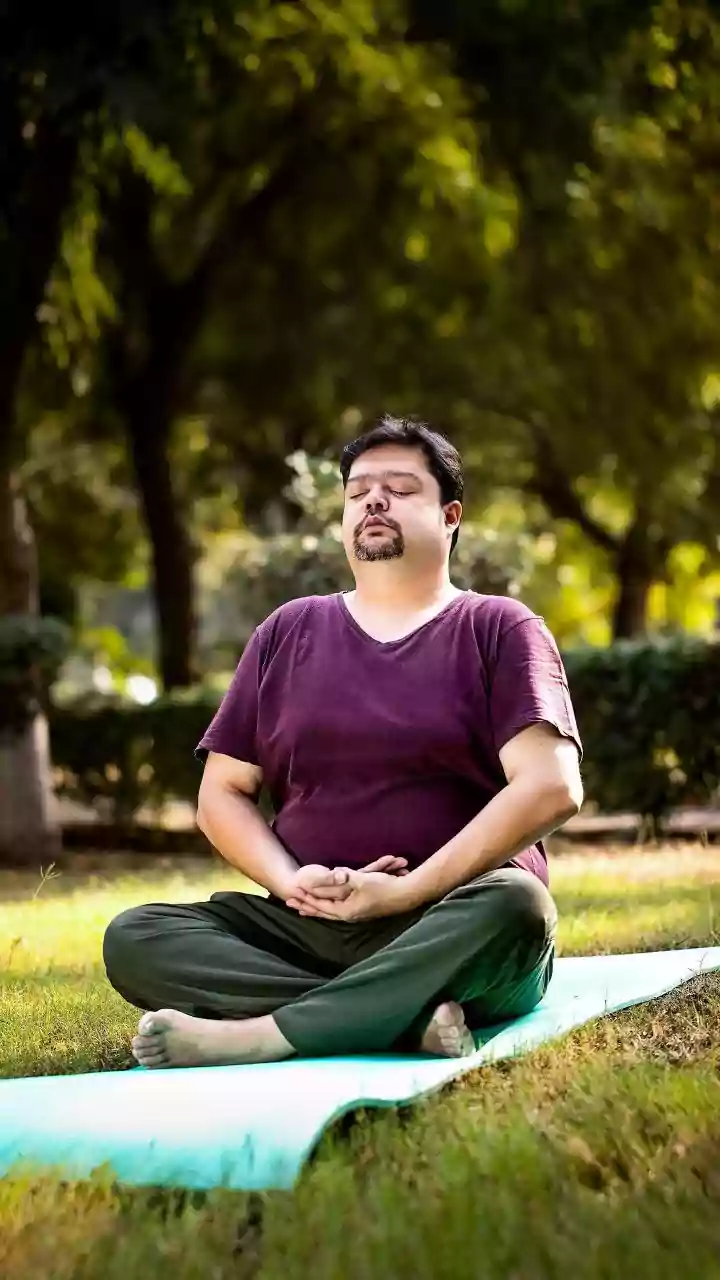





What Is Breath Awareness?
Breath awareness is the simple act of observing your breath without trying to change it. It’s different from 'breathwork,' which often involves controlling your breathing in specific patterns to achieve a certain outcome. Think of it as passive observation
rather than active manipulation. You simply notice the sensation of the air entering and leaving your body. This practice serves as a bridge between your mind and body, helping you tune into your present state and gently disconnect from the constant stream of thoughts, worries, and external distractions.
Why Pay Attention to Your Breath?
When you are stressed or anxious, your breathing often becomes shallow and rapid. By consciously turning your attention to your breath, you can send a signal to your brain to calm down. This simple action helps activate the body's 'rest and digest' system, which is the opposite of the 'fight-or-flight' stress response. Regular practice can lead to significant benefits, including reduced stress, improved focus, better emotional regulation, and even a lower heart rate and blood pressure. It's a foundational skill for mindfulness and a powerful tool for managing daily pressures.
Exercise 1: Mindful Observation
This is the most fundamental exercise and a perfect starting point. Find a comfortable seated position, keeping your back straight but not stiff. Close your eyes if you feel comfortable. For the next one to two minutes, simply bring your attention to your breath. Don't try to change it. Just notice. Is it fast or slow? Deep or shallow? Feel the cool air as you inhale through your nose and the warm air as you exhale. Your mind will wander—that's completely normal. When you notice it has, gently and without judgment, guide your attention back to the sensation of your breath. The practice is in the returning, not in achieving a perfectly clear mind.
Exercise 2: Belly Breathing (Diaphragmatic Breathing)
This technique helps ensure you are taking deep, restorative breaths. Lie on your back or sit comfortably. Place one hand on your chest and the other on your belly, just below your ribcage. Breathe in slowly through your nose for a count of four. As you inhale, focus on letting your belly expand like a balloon. The hand on your belly should rise, while the hand on your chest remains relatively still. Then, breathe out slowly through your mouth, feeling your belly fall. This helps engage the diaphragm, a large muscle that is key to efficient breathing. Repeat this for 5 to 10 cycles.
Exercise 3: Box Breathing
Used by everyone from athletes to military personnel to manage stress, box breathing is simple and effective. It gets its name from its square, four-part structure. First, gently exhale all the air from your lungs. Then, follow these four simple steps: 1. Inhale slowly through your nose for a count of four. 2. Hold your breath for a count of four. 3. Exhale slowly through your mouth for a count of four. 4. Hold your breath again for a count of four. Repeat the entire cycle three to five times. The steady, even rhythm helps regulate your nervous system.
Finding Your Quiet Moment
You don't need a special cushion or a silent room to practice. The beauty of breath awareness is that you can do it anywhere. Try it for a minute before you get out of bed in the morning. Use it while waiting in a queue, during a commercial break, or at your desk before starting a big task. The goal is not to add another chore to your day, but to weave these small moments of mindfulness into the life you already have. Starting with just two or three minutes a day can make a noticeable difference in how you navigate stress and find your centre.