
From Kitchen Scrap to Liquid Gold
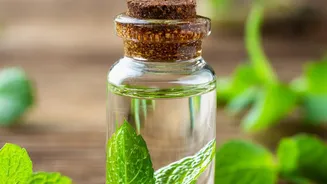
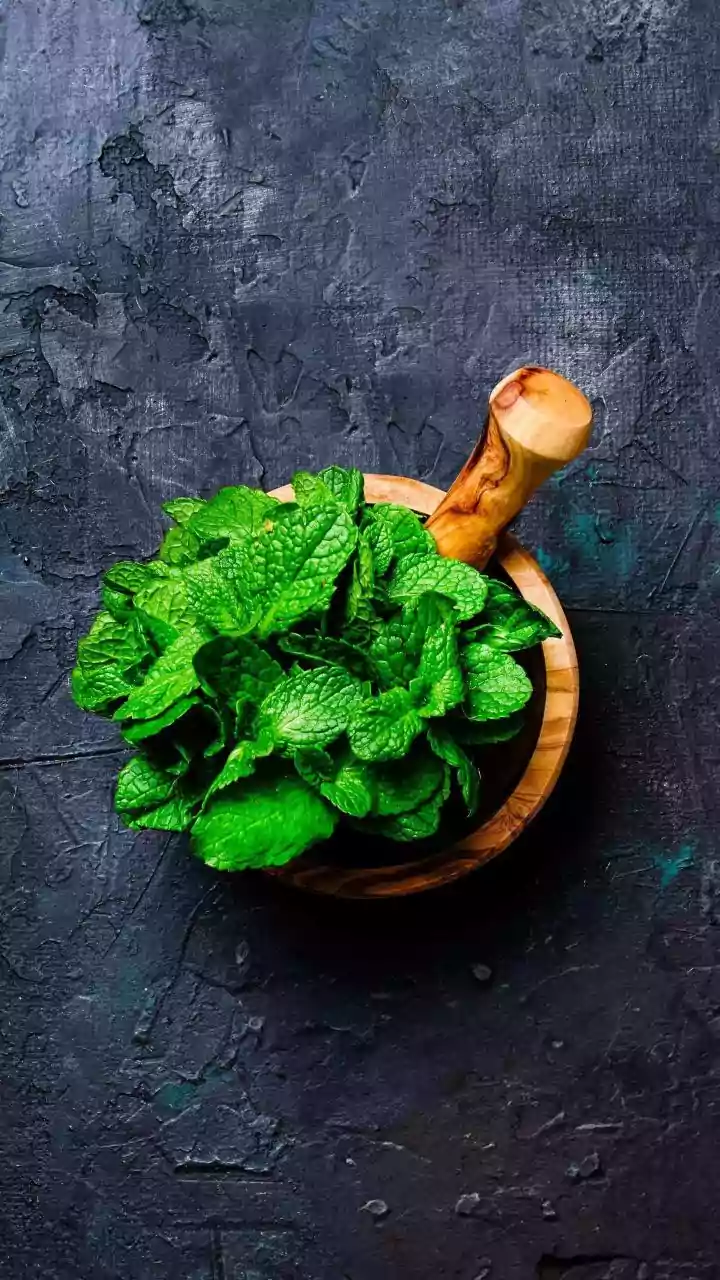
In many Indian kitchens, fresh herbs like coriander (dhania) and mint (pudina) are daily staples. This also means we generate a significant amount of leftover stems. While the leaves go into chutneys, garnishes, and raitas, the stems are often discarded.
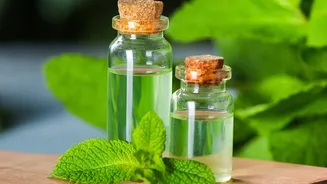
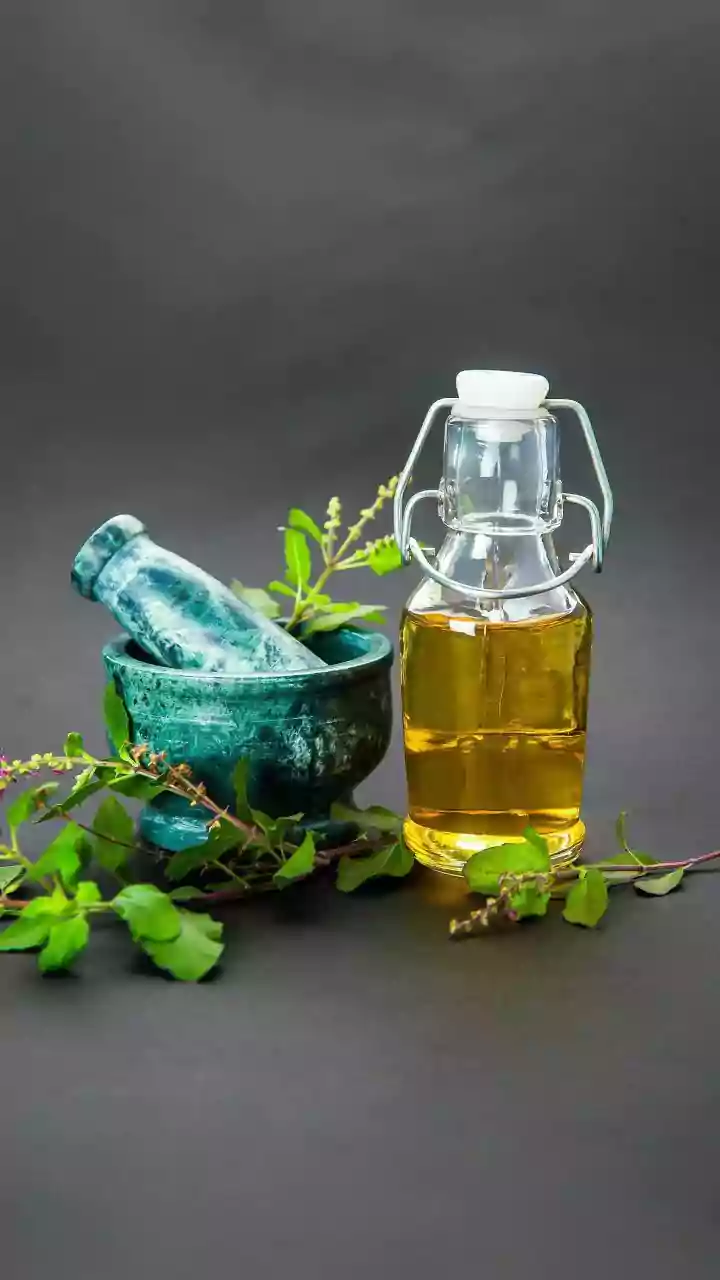
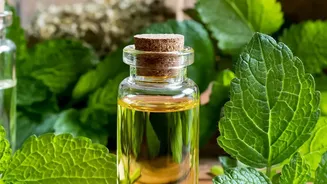
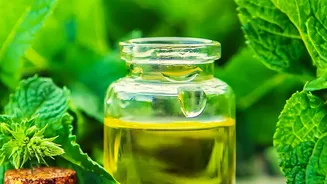
However, these stems are packed with the same essential oils and aromatic compounds as the leaves. By infusing them in oil, you not only extract this hidden flavour but also take a meaningful step towards a zero-waste kitchen, saving money and reducing your environmental footprint.
Choosing Your Core Ingredients
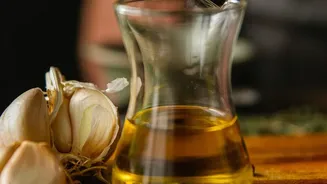
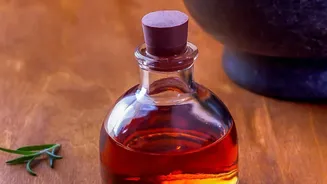
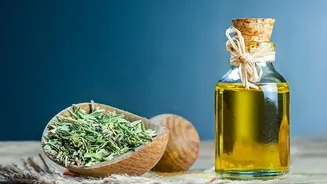
The success of your infused oil depends on two things: the herbs and the oil. For the herbs, this method works beautifully with the sturdy stems of coriander and mint. You can also experiment with parsley, dill, or even the woody stems of rosemary and thyme, although tender stems are generally easier to work with. The choice of oil is equally important. A neutral oil like sunflower, grapeseed, or a light olive oil will let the herb's flavour shine through. If you prefer a more robust taste, a good quality extra virgin olive oil can add a peppery, fruity dimension that pairs well with herbs.
A Simple Guide to Infusion
There are two main ways to infuse oil: a cold infusion or a gentle heat method. While cold infusion is possible, a gentle heating process is quicker and helps release the flavours more effectively. Start by washing your herb stems thoroughly and, most importantly, drying them completely. Moisture is the enemy here, as it can promote spoilage. Once dry, roughly chop the stems. In a small saucepan, gently heat your chosen oil over a low flame. You want it to be warm, not hot—around 180°F is a good target if you have a thermometer. Add the chopped stems to the warm oil, turn off the heat, and let it steep for at least an hour, or until the oil has cooled completely. The longer it steeps, the more flavour it will absorb.
Straining for a Clear, Smooth Oil
Once the oil has cooled and infused, the final step is to strain out the solid bits. This is crucial for both texture and safety. For a crystal-clear oil, line a fine-mesh sieve with a piece of cheesecloth or a coffee filter and place it over a clean jar or bottle. Pour the oil and stem mixture into the sieve and let it drip through naturally. Don't be tempted to press down on the solids to speed up the process, as this can make your oil cloudy. This step requires a bit of patience, but the result is a beautiful, clear, and flavourful oil ready for use.
The Golden Rule: Safe Storage is a Must
This is the most critical part of making homemade infused oils. Because fresh herbs contain water, there is a risk of bacterial growth, specifically Clostridium botulinum, which can cause botulism if the oil is stored improperly. This bacterium thrives in low-oxygen environments like oil. To stay safe, your homemade fresh-herb infused oil must be stored in the refrigerator and used within a few days—a maximum of four days is a safe guideline. The oil may solidify or become cloudy in the fridge; simply let it sit at room temperature for about 30 minutes to liquefy before using. For longer storage, you can freeze the oil in an ice cube tray.
How to Use Your Homemade Herb Oil
Now for the fun part. Your fragrant new oil is incredibly versatile. Drizzle coriander stem oil over dal, sabzis, or grilled chicken for a fresh, aromatic finish. A splash of mint-infused oil can elevate a simple cucumber salad, a bowl of yogurt, or even a fruit chaat. Use it as a base for a quick salad dressing by mixing it with lemon juice and a pinch of salt. It's also perfect for dipping bread or for adding a final flourish to soups and roasted vegetables just before serving.