

The Lush Expanse of Tea Gardens
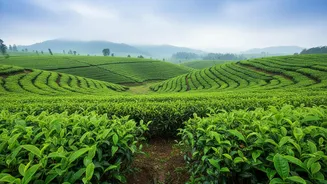
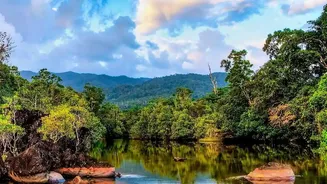
The monsoon is arguably the best time to witness Assam's famed tea country. The rains breathe new life into the sprawling plantations, washing the leaves to a brilliant, emerald green. Regions like Jorhat, known as the 'Tea Capital of India', and Dibrugarh
become picturesque landscapes of rolling, misty hills. Many estates offer stays in beautifully restored colonial-era bungalows. Waking up to the smell of fresh rain on tea leaves and sipping a hot cup of authentic Assam tea on a quiet veranda is an experience in itself. You can take guided walks through the gardens to see the tea-pluckers at work and learn about the intricate process of tea production, from leaf to cup.
Wildlife Spotting With a Difference
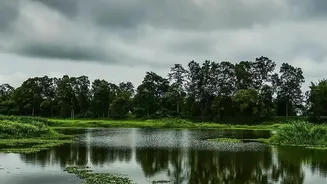
It is crucial to note that major national parks like Kaziranga and Manas are closed to tourists during the monsoon season, typically from around June to October. This closure is necessary due to flooding from the Brahmaputra River, which makes safari routes inaccessible and ensures the protection of wildlife during their breeding season. However, this doesn't mean wildlife viewing is entirely off the table. Some smaller sanctuaries like Pobitora, known for its dense rhino population, may offer limited access. Dibru-Saikhowa National Park, a biosphere reserve, remains open year-round and offers boat safaris through its wetland ecosystems. The monsoon is also a fantastic time for birdwatching, as many species are particularly active, and wetlands like Deepor Beel become havens for resident and migratory birds.
The Majestic Brahmaputra and River Islands
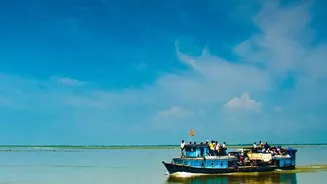
The monsoon feeds the mighty Brahmaputra, transforming it into a powerful and awe-inspiring sight. While heavy currents can make some activities risky, simply witnessing the river in its full glory from Guwahati's riverfront is a spectacle. For the adventurous, a trip to Majuli, the world's largest river island, offers a unique perspective. During the monsoon, the island becomes a lush, green paradise, and navigating it often involves boat travel, offering an experience of life on the water. While vulnerable to flooding, the rains enhance the beauty of its wetlands and the serenity of its 'satras' (Vaishnavite monasteries), offering a deep dive into Assamese culture against a stunning natural backdrop.
Exploring Hills and Heritage
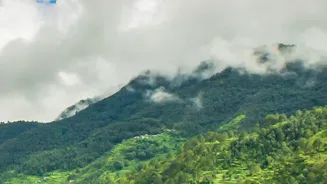
Beyond the plains, Assam's only hill station, Haflong, becomes a misty retreat during the monsoon. Often called the 'Switzerland of the East', its rolling hills, serene lakes, and gushing waterfalls are at their most beautiful during the rains, making it ideal for those seeking a tranquil escape. For history enthusiasts, the ancient capital of the Ahom dynasty, Sivasagar, offers a different kind of charm. The rain-washed temples and monuments, like the iconic Rang Ghar, stand amidst lush greenery, making for a picturesque and less crowded journey into Assam's glorious past.
Essential Tips for a Monsoon Trip
Travelling to Assam during the monsoon requires some preparation. Pack waterproof jackets, umbrellas, and sturdy, water-resistant footwear. Lightweight, quick-drying clothes are advisable due to the humidity. Always carry insect repellent. Before you travel, check the latest weather forecasts and road conditions, as heavy rains can sometimes cause travel disruptions or flooding. It's also wise to book accommodations and any planned tours in advance, confirming that the destinations on your itinerary are accessible. While the monsoon presents some challenges, the reward is experiencing Assam in its most vibrant, natural state, often with fewer tourists around.