





The Unmissable Dragon Fruit
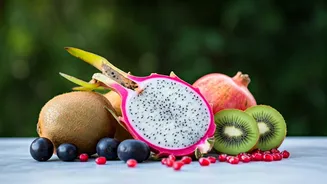
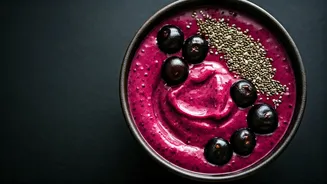
If one fruit has conquered the visual world of Instagram and Pinterest, it’s the dragon fruit, or pitaya. With its brilliant pink skin and speckled white or magenta flesh, it’s a food stylist’s dream. This fruit owes its stardom less to its flavour—which
is mildly sweet, often compared to a cross between a pear and a kiwi—and more to its jaw-dropping appearance. It’s the star ingredient in countless smoothie bowls, vibrant juices, and even salads, lending an instant pop of exotic colour that is practically engineered for likes and shares. The trend is simple: it looks incredible, making any dish seem instantly healthier and more luxurious.
What's the Real Benefit?
Beyond its good looks, dragon fruit is a nutritional powerhouse. It is loaded with antioxidants, including flavonoids and betacyanins, which help protect your cells from damage by free radicals. It’s also a surprisingly good source of fibre, which is essential for a healthy digestive system. Rich in Vitamin C, it provides a solid boost to your immune system. While the seeds are tiny, they contain beneficial omega-3 and omega-9 fatty acids. So, while you’re enjoying that picture-perfect smoothie bowl, you’re also getting a genuine dose of wellness.
The Enduring Allure of Avocado
Yes, we know: avocado has been trending for years. But its dominance on social media shows no signs of slowing down. While botanically a fruit, it’s the king of savoury applications. The humble avocado toast, once a simple breakfast, is now a canvas for culinary creativity, topped with everything from feta cheese to chilli flakes. Its creamy texture makes it a perfect, healthy substitute for butter in baking or mayonnaise in dips. The ongoing trend is rooted in the 'healthy fats' movement, positioning avocado as the go-to food for those looking to nourish their body with good, wholesome ingredients. It has become a symbol of a health-conscious lifestyle.
Why It's Worth the Hype
The hype is justified. Avocados are packed with monounsaturated fats, which are excellent for heart health and can help lower bad cholesterol. They are also incredibly rich in potassium—even more so than bananas—which is vital for regulating blood pressure. Add to that a high fibre content that keeps you feeling full and aids digestion, and you have a nearly perfect food. Its versatility means you can incorporate it into any meal of the day, from a morning smoothie to a late-night chocolate mousse (yes, really!).
The Glorious Return of Jamun
While exotic fruits get a lot of attention, there's a powerful trend celebrating our own local heroes. Enter the Jamun, or Indian blackberry. This deep purple fruit, associated with childhood summers for many, is having a major comeback. Health-conscious millennials and Gen Z are rediscovering its benefits, popularising it through vibrant 'jamun shots', artisanal sorbets, and healthy kulfis. Its intense colour and tangy-sweet taste make it a unique ingredient. This trend is part of a larger 'back-to-your-roots' movement, celebrating indigenous foods and the wisdom of traditional diets in a modern, Instagram-friendly way.
The Traditional Superfood
Jamun has long been revered in Ayurveda for its health properties. It has a low glycemic index, making it a particularly good choice for those managing blood sugar levels. It's a fantastic source of Vitamin C and iron, which can help improve haemoglobin counts. The fruit is loaded with antioxidants that combat oxidative stress and promote overall health. Its astringent properties are also known to be beneficial for skin health. Embracing jamun is not just about hopping on a trend; it's about reconnecting with a seasonal, local superfood that has been nourishing generations.