


A Landmark Proposal for Travellers
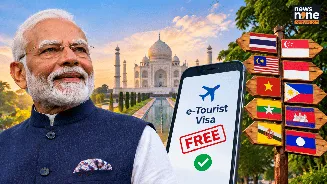
During the recent India-ASEAN Summit in Manila, Prime Minister Narendra Modi unveiled a proposal to waive e-tourist visa fees for travellers from all member countries of the Association of Southeast Asian Nations (ASEAN). This was one of nine new initiatives
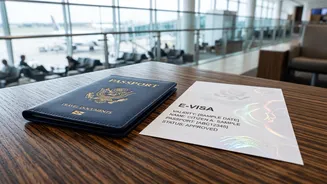
announced to deepen the strategic partnership between India and the regional bloc. The plan aims to significantly boost tourism, simplify travel, and enhance people-to-people connections between India and Southeast Asia. While the initiative has been announced, it's important to note that it is currently a proposal, and the government has not yet released an implementation date or specific details on eligibility. This means it is a waiver of the visa fee, not a visa-free entry system; travellers will still need to apply for an e-visa through the official portal.
Which Countries Stand to Benefit?
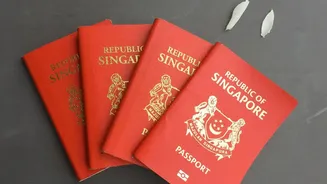
The proposal covers all eleven members of the ASEAN bloc, representing a significant portion of the world's population. The countries included are: Brunei, Cambodia, Indonesia, Laos, Malaysia, Myanmar, the Philippines, Singapore, Thailand, Timor-Leste, and Vietnam. While India's e-visa system is already accessible to all these nations, the fee structure varies. Currently, citizens of Indonesia and Myanmar enjoy fee-free e-visas for most durations, while those from Malaysia, the Philippines, and Thailand receive free 30-day visas. The new plan would harmonize this policy by extending the fee waiver to the remaining six countries: Brunei, Cambodia, Laos, Singapore, Timor-Leste, and Vietnam, who currently pay fees ranging from $10 to $200 depending on the visa's duration.
More Than Just Tourism: A Strategic 'Act East' Move
This visa policy overhaul is a cornerstone of India's 'Act East' policy, a diplomatic initiative started in 1991 (as 'Look East') and intensified since 2014 to strengthen economic and strategic ties with Southeast Asia. The policy aims to position India as a key partner and a counterweight to other regional powers. By fostering easier travel and cultural exchange, India seeks to build on shared cultural ties and a common outlook on global issues. This move complements other strategic proposals made at the summit, including long-term maritime cooperation, joint cyber forensic training, and collaboration on critical minerals and nuclear energy. Enhanced tourism is seen as a catalyst for commerce, connectivity, and cultural understanding—the three pillars of the Act East policy.
Anticipated Economic and Regional Impact
The economic implications of this visa fee waiver are substantial. In 2025, India welcomed over 800,000 visitors from ASEAN countries, and this number is expected to grow significantly once travel becomes cheaper and more accessible. A surge in tourism would directly benefit India's hospitality, travel, and retail sectors, generating revenue and employment. Furthermore, this policy serves to develop India's Northeast region as a strategic gateway to Southeast Asia. By improving connectivity and encouraging cross-border tourism, the government aims to unlock the economic potential of these states, aligning with broader infrastructure projects like the India-Myanmar-Thailand Trilateral Highway. This people-centric approach is designed to create a vibrant economic corridor, fostering shared prosperity and regional stability.