




What Exactly Is Cat-Cow?
Cat-Cow, or Marjaryasana-Bitilasana, isn't a single pose but a dynamic movement between two. You flow between rounding your spine like a cat (flexion) and arching it like a cow (extension). This simple sequence is a staple in many yoga classes, used to
warm up the spine, release stiffness, and connect movement with breath. The goal is not to force a deep stretch but to gently mobilize the vertebrae and prepare the body for more activity.
Your Step-by-Step Guide to the Flow
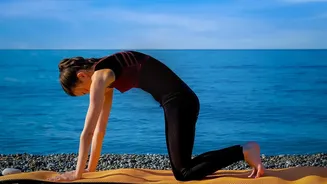
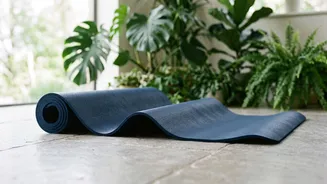
Proper alignment is crucial for a safe and effective Cat-Cow. Start on a mat in a 'tabletop' position on your hands and knees. 1. Set Your Foundation: Place your wrists directly under your shoulders and your knees directly under your hips, about hip-width apart. Spread your fingers wide to distribute your weight evenly. Your back should be in a neutral, flat position. 2. Inhale into Cow (Bitilasana): As you take a slow inhale, begin to drop your belly toward the mat. Lift your chest and tailbone toward the ceiling, creating a gentle arch in your spine. Allow your gaze to lift slightly forward, but avoid cranking your head back. 3. Exhale into Cat (Marjaryasana): As you exhale, press firmly through your hands and round your spine toward the ceiling. Tuck your tailbone under and draw your navel in toward your spine. Let your head hang heavy, releasing your neck and tucking your chin toward your chest without force. 4. Create the Flow: Continue moving between Cow on your inhales and Cat on your exhales. Aim for five to ten slow, mindful rounds, letting your breath guide the entire movement.
Common Mistake: Neck and Shoulder Strain
One of the most frequent errors is 'leading with the head' or throwing the head back in Cow pose. This can compress the cervical spine and create neck pain. Similarly, shrugging your shoulders up toward your ears in either pose creates unnecessary tension. The Fix: Keep your neck as a natural extension of your spine. In Cow, focus on opening the chest and drawing the shoulder blades together and down your back. In Cat, think about letting the head release rather than forcing your chin to your chest. The movement should originate from your pelvis and travel up the spine, not from your head.
Common Mistake: Lower Back Discomfort
Pain in the lower back often comes from pushing the arch in Cow pose too far, especially without engaging the core. This can cause compression in the lumbar spine. On the other hand, some people have a stiff mid-back from prolonged sitting, causing the more flexible lower back to overcompensate in the movement. The Fix: Initiate the arch from your tailbone, tilting your pelvis forward gently. Keep your abdominal muscles lightly engaged throughout the entire sequence to support your lower back. The idea is to create a long, even curve through the entire spine, not a sharp, isolated bend in one area. If you feel any pinching, reduce your range of motion.
Modifications for a Comfortable Practice
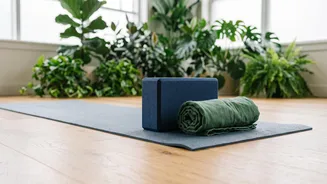
A pain-free practice is the best practice. If you experience discomfort, try these common modifications: Sensitive Knees: Place a folded blanket or towel under your knees for extra cushioning. Wrist Pain: If flat palms are uncomfortable, make fists and rest on your knuckles, or place your forearms on the mat instead. You can also use yoga blocks under your hands. * Limited Mobility: Cat-Cow can be done while sitting on a chair. Sit at the edge of the seat with feet flat on the floor and hands on your knees, then move through the same spinal arch and round. A standing version with hands on a wall or desk is also effective.
The Real Rewards of a Mindful Cat-Cow
When done correctly, Cat-Cow is more than just a simple stretch. It improves spinal mobility and posture, gently stimulates abdominal organs, and builds body awareness. Coordinating the movement with your breath has a calming effect on the nervous system, reducing stress. Think of it as flossing for your spine—a small, daily act of maintenance that keeps your back feeling mobile and healthy.