



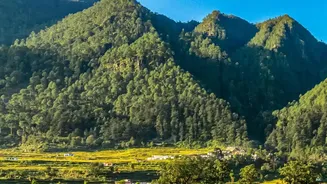
Beyond Sikkim’s popular tourist circuits lie trails that whisper tales of ancient kings and indigenous cultures. For those willing to venture off the beaten path, the mystical Dzongu Valley and historic Yuksom offer more than just a trek.
Yuksom: Gateway to the High Himalayas
Yuksom is a name
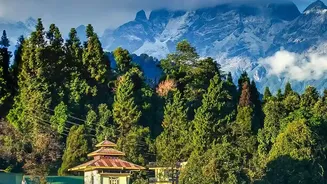
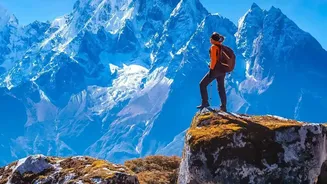
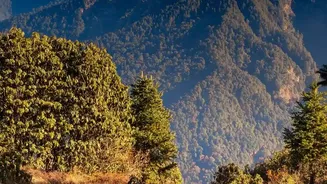
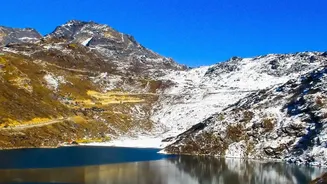
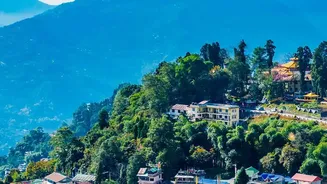
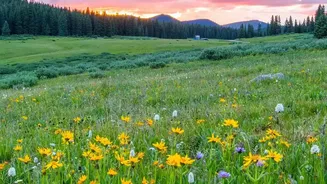
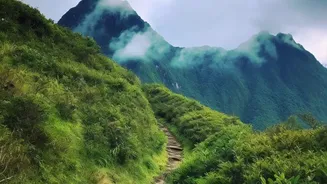
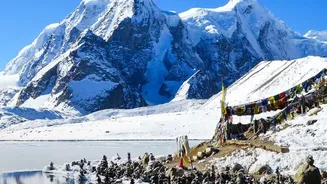
that resonates with history and adventure. Nestled in West Sikkim, this serene village was the state's first capital, where the first Chogyal (king) was crowned in 1642. The coronation throne at Norbugang still stands as a testament to its royal past. Today, Yuksom is better known as the starting point for some of the most challenging and rewarding treks in the Himalayas. It is the official base for expeditions into the Khangchendzonga National Park, a UNESCO World Heritage Site. The most famous of these is the Goecha La trek, an epic 8 to 11-day journey that takes seasoned trekkers to a viewpoint facing the mighty Kanchenjunga. For those short on time, the Dzongri trek is a popular 5 to 6-day alternative that still offers breathtaking panoramas of the snow-clad peaks. The trails from Yuksom wind through dense forests of rhododendron and magnolia, across gushing rivers on suspension bridges, and up to alpine meadows.
Dzongu: A Sanctuary of Lepcha Culture
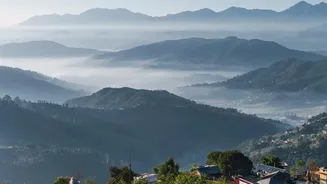
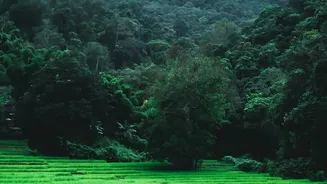
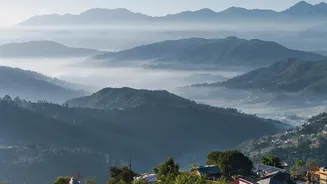
In North Sikkim lies Dzongu, a protected reserve and the exclusive homeland of the Lepcha community, Sikkim’s indigenous inhabitants. This is not a typical tourist destination but a sanctuary of culture and nature, often called 'Mayal Lyang' or the 'Hidden Paradise' by its people. The landscape is a stunning tapestry of terraced cardamom fields, cascading waterfalls like Lingzya Falls, dense bamboo groves, and natural hot springs. Unlike the high-altitude rigours of the Yuksom trails, trekking in Dzongu is more about gentle village walks and cultural immersion. Trails connect one small village to another, such as Tingvong, Kusong, and Lingthem, allowing visitors to experience the traditional Lepcha way of life firsthand. Accommodation here is almost exclusively in homestays, where you can share meals with a local family, learn about their nature-worshipping traditions, and wake up to pristine views.
Planning Your Trip: Permits and Practicalities
Visiting these areas requires some planning. While Indian travellers do not need a permit to visit Yuksom village itself, any trek heading into the Khangchendzonga National Park requires a Protected Area Permit (PAP). These are typically arranged by registered trekking agencies in Yuksom, who are mandatory for treks like Goecha La. Dzongu, being a special reserve, requires a separate permit for all visitors, including Indian nationals. The easiest way to obtain this is through your pre-booked homestay in Dzongu, which will handle the formalities at the district office in Mangan. It's crucial to arrange this in advance, as direct entry is not permitted. Recent changes effective January 2027 are expected to make this permit free of cost to promote homestay tourism, though it will still need to be acquired online.
The Best Seasons for a Visit
The ideal time to explore both Dzongu and the trails of Yuksom is during two main windows: spring and autumn. The spring months, from March to May, are when the rhododendron forests are in full bloom, painting the hillsides in vibrant colours. The weather is pleasant, though views can sometimes be hazy towards the end of the season. The autumn months, from mid-September to November, are considered the absolute best for trekking. Post-monsoon, the skies are exceptionally clear, offering sharp, unobstructed views of Kanchenjunga and the surrounding peaks. The monsoon season (June to September) should be avoided due to heavy rains, landslides, and leech-infested trails. Winter (December to February) can be intensely cold, with heavy snow closing the higher altitude trails from Yuksom.